Yamaha E40G 40HP Outboard Motor Nigeria
Yamaha E40G 40HP Outboard Motor Nigeria: Buyer’s Guide, Specifications, Benefits and Buying Tips
If you are searching for a Yamaha E40G 40HP outboard motor Nigeria, you are likely looking for an engine that can deliver dependable performance for fishing boats, passenger boats, transport canoes, workboats, and other commercial marine applications. The Yamaha E40G is part of Yamaha’s Enduro range, a family of outboard engines developed with demanding working conditions in mind. Yamaha describes the E40G as a model originally developed specifically for commercial use, with durability, reliability, and serviceability as major design priorities.
For Nigerian boat owners, those qualities can be particularly important. Boats may operate on rivers, lagoons, creeks, lakes, coastal waters, and other waterways where an engine can face long operating hours, heavy loads, shallow water, floating debris, and challenging weather. A reliable 40HP outboard motor in Nigeria can therefore be more than a recreational accessory. For many operators, it is an essential working tool.
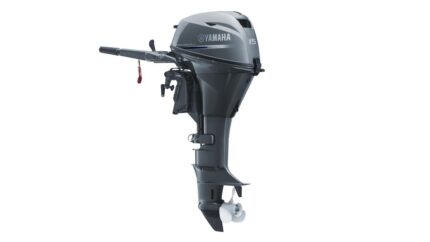
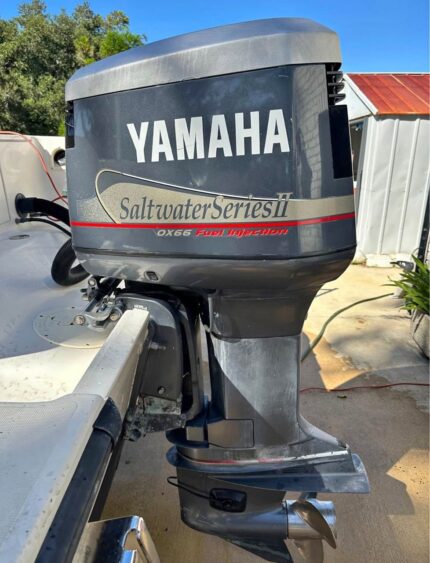
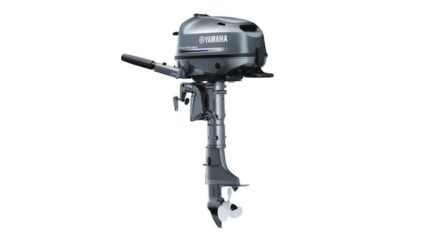
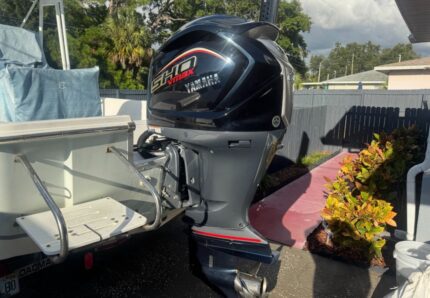
The Yamaha E40G 40HP outboard motor combines a 669 cc two-cylinder engine with carburetion, manual starting options, tiller-handle control, manual tilt, and pre-mixed fuel-and-oil lubrication. Yamaha lists maximum propeller-shaft output at 29.4 kW (40 PS) at 5,000 rpm. Depending on configuration, the E40G is available with short or long transom heights. Yamaha lists the short version at 444 mm and the long version at 571 mm.
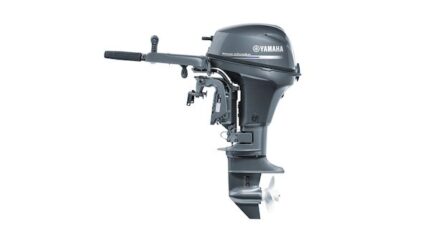
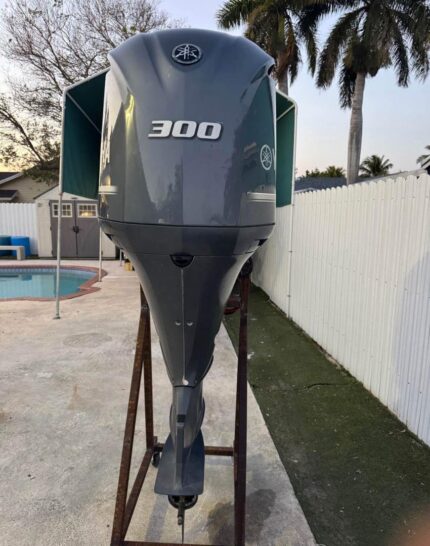
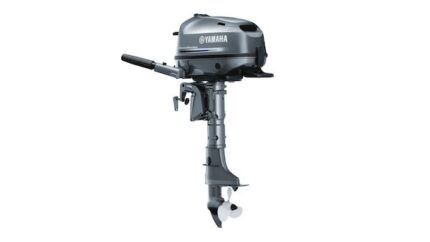
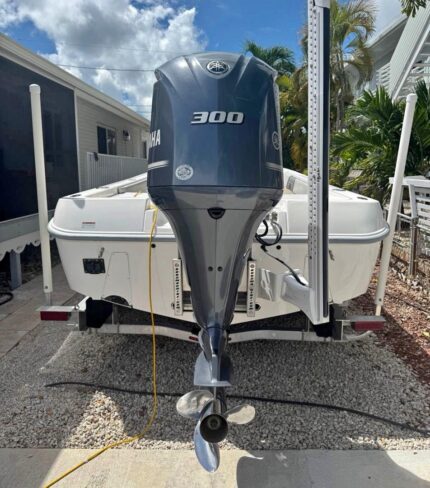
<u><a href=”https://jpmarineinc.com/shop“>Shop Yamaha E40G 40HP Outboard Motors</a></u>
Why Buy a Yamaha E40G 40HP Outboard Motor in Nigeria?
The first reason buyers consider the Yamaha E40G is its commercial-oriented design. Yamaha’s own historical information states that the E40G was developed for commercial use and for harsh operating environments around the world. That background makes it especially interesting to Nigerian buyers who need an outboard motor for regular work rather than occasional leisure trips.
A working boat needs an engine that is practical to operate and maintain. The E40G uses a relatively straightforward two-stroke configuration with a carburetor and pre-mixed fuel and oil. For operators who prefer a mechanically simple outboard, this can be an important advantage.
The engine also uses a tiller-handle control system. This configuration can be suitable for many smaller commercial boats, fishing boats, utility boats, and traditional boat designs where direct steering and throttle control from the rear of the boat are preferred.
Before ordering, however, buyers should confirm the exact configuration available, including shaft length, starting system, propeller specification, and equipment supplied with the engine.
Yamaha E40G 40HP Specifications
The following specifications are based on Yamaha’s published Enduro information:
- Model: Yamaha E40G
- Power: 40 PS / approximately 40 HP
- Maximum propeller-shaft output: 29.4 kW at 5,000 rpm
- Engine type: Inline two-cylinder
- Displacement: 669 cc
- Bore: 78.0 mm
- Stroke: 70.0 mm
- Fuel induction: Carburetor
- Ignition: CDI
- Control: Tiller handle
- Starting: Manual starter or manual/electric starter, depending on configuration
- Tilt: Manual
- Lubrication: Pre-mixed fuel and oil
- Gear ratio: 1.85:1
- Dry weight with propeller: approximately 65–71 kg
- Short transom height: 444 mm
- Long transom height: 571 mm
- Optional alternator: 80 W, according to Yamaha’s published comparison specifications
Yamaha notes that equipment and model availability can differ by country or market. Specifications can also change without notice, so buyers should verify the exact unit and configuration before completing a purchase.
Yamaha E40G 2 Stroke Outboard Motor
The Yamaha E40G is a 2 stroke outboard motor. Its two-stroke design is one of the reasons this model remains attractive to operators who prioritize simplicity and practical power.
The 669 cc engine uses a carburetor rather than electronic fuel injection. It also uses pre-mixed fuel and oil lubrication. This means the correct fuel-to-oil mixture is an important part of proper operation.
Buyers should never guess the required mixture. Always follow the Yamaha owner’s manual and the specifications supplied with the exact engine. Using an incorrect mixture can affect lubrication, combustion, performance, emissions, and engine life.
This is particularly important for commercial operators who may run the Yamaha E40G 40HP for extended periods. Correct fuel preparation and routine servicing can help reduce avoidable engine problems.
Is the Yamaha E40G Suitable for Nigerian Boats?
The right outboard depends on the boat, load, hull design, operating environment, and intended use. A 40HP engine can be a strong choice for appropriately sized boats, but buyers should not select an engine based on horsepower alone.
The Yamaha E40G 40HP outboard motor Nigeria market can include applications such as:
- Fishing boats
- Passenger boats
- Utility boats
- Workboats
- Transport canoes
- River boats
- Lagoon boats
- Commercial fishing vessels
- Small coastal workboats
- General-purpose marine transport
For commercial applications, the boat should be correctly matched to the engine. The transom must also accommodate the selected shaft length.
A short-shaft and long-shaft engine are not interchangeable on every boat. The wrong shaft length can affect engine mounting, propeller position, handling, cooling-water intake, and overall performance. Measure the boat’s transom before ordering.
Short Shaft vs Long Shaft Yamaha E40G
Yamaha lists the E40G with short and long transom options. The published dimensions are approximately 444 mm for the short version and 571 mm for the long version.
Choosing the correct shaft length is essential.
A short shaft Yamaha E40G may suit a boat designed for a shorter transom. A long shaft Yamaha E40G may be required for a deeper transom.
Do not choose the shaft based only on what another boat owner uses. Two boats with similar horsepower requirements can have different transom dimensions.
Before purchasing, provide the seller with your boat’s transom measurement and confirm which E40G configuration is appropriate.
Performance for Commercial Boat Operators
The E40G produces 40 PS at 5,000 rpm, with a published full-throttle operating range of 4,500–5,500 rpm in Yamaha’s European product information.
Actual boat speed will vary considerably. Hull shape, passenger numbers, cargo weight, propeller selection, water conditions, engine height, and boat loading all influence performance.
This means it would be misleading to promise a specific top speed for every Nigerian boat. Instead, buyers should focus on achieving correct engine matching and operating the engine within Yamaha’s recommended range.
A properly matched propeller is also important. An unsuitable propeller can prevent the engine from reaching its intended operating range or create unnecessary load.
Fuel Requirements and Two-Stroke Operation
Because the Yamaha E40G uses a carburetor and pre-mixed lubrication, fuel management should be treated as a major part of ownership.
Use clean, appropriate fuel and the correct two-stroke marine oil. Avoid contaminated fuel and keep fuel containers clean and properly sealed.
Carbureted engines can be particularly sensitive to stale or contaminated fuel. General marine maintenance guidance recommends keeping fuel fresh and checking fuel lines, connections, tanks, and vents regularly.
For a commercial boat operator, fuel problems can quickly become expensive. A blocked fuel system can stop an engine during a fishing trip, passenger journey, or cargo run.
For this reason, buyers should consider fuel quality and storage as part of the total cost of owning a Yamaha E40G outboard motor.
Maintenance of the Yamaha E40G in Nigeria
Regular maintenance is essential for any marine engine. It becomes even more important when the engine operates in demanding commercial conditions.
A basic maintenance routine should include:
- Inspect the propeller regularly.
- Check the fuel line for damage.
- Inspect fuel connections for leaks.
- Check the cooling-water flow.
- Inspect the lower unit.
- Check gearcase lubricant according to the service schedule.
- Inspect spark plugs as recommended.
- Keep the engine clean.
- Lubricate specified moving parts.
- Follow Yamaha’s service recommendations.
After operating in salt water, flushing is especially important. General outboard maintenance guidance recommends flushing an engine after use and checking water-pump flow.
Fishing line around the propeller shaft is another issue that should not be ignored. Fishing line can damage seals and allow water into the gearcase.
For Nigerian coastal operators, regular freshwater rinsing can also help reduce salt-related corrosion.
Why Yamaha Enduro Engines Appeal to Working Boat Owners
The Yamaha Enduro name has a long association with practical commercial marine use. Yamaha says the E40G was created specifically with commercial use in mind and emphasizes durability, reliability, and serviceability in its historical description of the model.
That makes the E40G different from an outboard chosen purely for recreational speed.
Commercial users often value:
- Dependable starting
- Straightforward operation
- Durable construction
- Practical maintenance
- Strong low-to-mid-range working performance
- Availability of replacement parts
- Suitable weight for the boat
- Simple controls
The exact value of these features depends on the boat and operating conditions.
Buying a Yamaha E40G 40HP Outboard Motor in Nigeria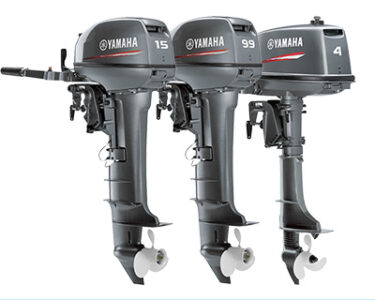
If you are ready to buy Yamaha E40G Nigeria, do not focus only on the advertised engine price.
Ask the seller about:
- Engine condition or new-engine status
- Model year, where applicable
- Exact shaft length
- Starting system
- Propeller
- Fuel tank requirements
- Warranty
- Spare-parts availability
- Shipping arrangements
- Delivery location
- Documentation
- Installation support
- After-sales service
You should also confirm whether the quoted price includes accessories or only the engine.
For buyers comparing Yamaha models, you can explore the Yamaha marine range and browse the JP Marine online shop.
You can also compare Yamaha 2 stroke outboards with other available marine propulsion options before making a final decision.
Yamaha E40G Price in Nigeria
The Yamaha E40G price in Nigeria can vary depending on several factors. These may include exchange rates, shipping costs, taxes, availability, configuration, accessories, supplier pricing, and whether the engine is new or used.
For this reason, a fixed online price should not automatically be treated as the final landed cost.
If you are comparing quotations, request a complete quotation that clearly states what is included. This can help you avoid comparing one engine-only price with another quotation that includes additional equipment or delivery.
Buyers should also be cautious about unusually low prices. A legitimate quotation should provide clear information about the engine, seller, condition, configuration, payment terms, and delivery.
Where to Buy Yamaha E40G in Nigeria
Choosing a reliable marine supplier is as important as selecting the engine.
A professional supplier should be able to answer technical questions about shaft length, installation, propeller matching, maintenance, and available parts.
You can start by visiting the JP Marine website or JP Marine shop to review marine products and available options.
If you are comparing brands and propulsion systems, you can also review Yamaha outboard motors, Yamaha 4 stroke outboards, and Evinrude marine products.
Safety Requirements for Nigerian Waterways
Engine performance should never come before passenger and operator safety.
Nigeria’s National Inland Waterways Authority, or NIWA, is responsible for regulatory services involving vessel registration and licensing, navigation regulations, environmental regulations, and compliance on inland waterways.
NIWA also emphasizes safety compliance for waterway users. Its published guidance has specifically stressed the use of life jackets and compliance with inland waterways regulations.
Before operating a commercial boat, check the current requirements applicable to your vessel and operating area. Carry appropriate safety equipment and make sure operators understand emergency procedures.
A properly maintained Yamaha 40HP outboard motor is only one part of a safe boat.
Yamaha E40G vs Yamaha 4 Stroke 40HP
Some buyers may wonder whether they should choose the E40G two-stroke or a modern four-stroke 40HP outboard.
The answer depends on the application.
The E40G is a two-stroke Enduro model with carburetion and pre-mixed lubrication. Yamaha’s current four-stroke range includes models such as the F40, which uses fuel injection, electric starting, and a four-stroke engine design.
If simplicity, weight, and commercial-oriented Enduro characteristics are your priorities, the E40G may be worth considering.
If fuel-injection technology, four-stroke operation, and modern convenience features are more important, a four-stroke alternative may be better.
There is no universal winner. The best engine is the one that matches the boat and operating requirements.
How to Get the Best Value From Your Yamaha E40G
Buying the engine is only the first step. Long-term value comes from proper operation and maintenance.
Use the correct fuel and two-stroke oil. Avoid overloading the boat. Check the propeller. Inspect the cooling-water flow. Keep the engine clean. Follow the manufacturer’s maintenance schedule.
Marine maintenance specialists also recommend regular inspections of fuel systems, propellers, cooling systems, and other engine components.
Do not ignore unusual vibration, poor acceleration, difficult starting, overheating, fuel leaks, or changes in engine sound. Early diagnosis can prevent a small problem from becoming a major repair.
The Yamaha E40G 40HP outboard motor Nigeria is a strong option for buyers who need a practical 40HP two-stroke outboard for suitable commercial and utility applications. Its 669 cc inline two-cylinder engine, carburetor, tiller-handle control, manual tilt, pre-mixed lubrication, and relatively low dry weight make it an interesting choice for appropriately sized boats. Yamaha’s own history of the E40G highlights its commercial origins and emphasis on durability, reliability, and serviceability.
Before you buy, confirm the boat’s horsepower requirement, transom height, shaft length, propeller requirements, fuel system, delivery terms, warranty, and available support. Do not select an engine simply because it is advertised as a 40HP model.
For buyers ready to purchase, visit the JP Marine shop and review the available Yamaha marine products. A properly matched and maintained Yamaha E40G can provide practical propulsion for Nigerian fishing, transport, utility, and commercial boating applications.