Yamaha E40G Enduro Outboard Motor for Sale Nigeria
Yamaha E40G Enduro Outboard Motor for Sale Nigeria
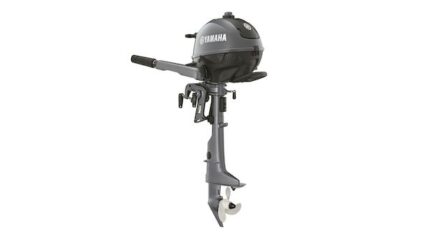
If you need a dependable engine for commercial fishing, passenger transport, river work, or everyday boat operations, the Yamaha E40G Enduro outboard motor for sale in Nigeria is worth considering. It is a rugged 40 HP two-stroke outboard designed with durability, simple operation, and serviceability in mind. Yamaha identifies the E40G as part of its Enduro range, a series developed for demanding working conditions.
The Yamaha E40G combines a 669 cc, two-cylinder engine with a carburetor fuel system and manual controls. It produces 40 PS at 5,000 rpm. Yamaha lists the E40G with short and long shaft configurations, allowing buyers to match the motor to the transom height of their boat. Its dry weight with propeller is listed at approximately 65–71 kg, depending on configuration.
For Nigerian buyers, choosing the correct outboard is about more than horsepower. You should consider the boat size, hull design, load, water conditions, fuel availability, shaft length, propeller selection, maintenance support, and intended workload. Before ordering a Yamaha E40G 40HP outboard motor Nigeria, confirm the exact configuration and availability with the seller.
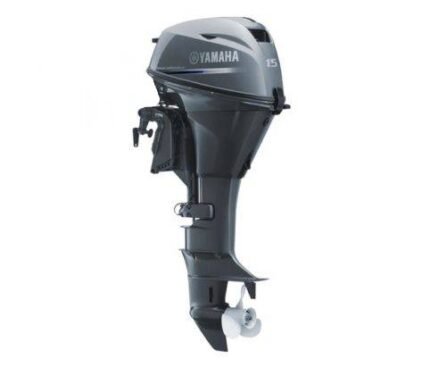
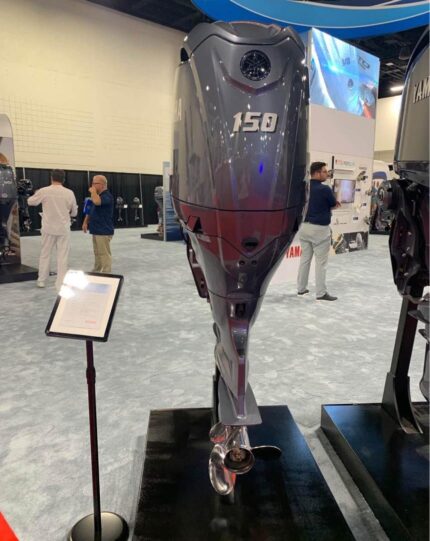
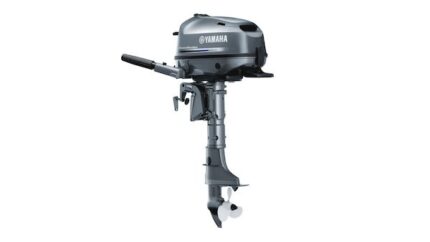
<u>Shop Yamaha Outboard Motors</u>
Why Buy the Yamaha E40G Enduro in Nigeria?
The Yamaha E40G has a long history as a working outboard. Yamaha states that the E40G was developed specifically for commercial use and built around durability, reliability, and serviceability. That background makes it especially relevant for buyers who need an engine for frequent boat use rather than occasional leisure trips.
The engine is a 40 HP two-stroke outboard motor with an in-line two-cylinder layout. Its 669 cc displacement gives it a useful balance between compact size and working power. The simple mechanical design can also make routine servicing easier for technicians familiar with conventional Yamaha two-stroke engines. Yamaha notes that its two-stroke outboards are lightweight and relatively simple to maintain.
If you are comparing available marine engines, browse the Yamaha outboard motor range to see other Yamaha options. You can also visit the JP Marine shop if you want to compare available marine equipment.
Yamaha E40G 40HP Specifications
Understanding the specifications helps you decide whether the E40G is suitable for your boat.
| Specification | Yamaha E40G |
|---|---|
| Engine type | Two-stroke, in-line 2-cylinder |
| Displacement | 669 cc |
| Bore × stroke | 78.0 × 70.0 mm |
| Maximum output | 40 PS / 29.4 kW |
| Rated engine speed | 5,000 rpm |
| Full-throttle range | 4,500–5,500 rpm |
| Fuel system | Carburetor |
| Ignition | CDI |
| Gear ratio | 1.85 |
| Starting | Manual or manual/electric, depending on configuration |
| Controls | Tiller handle |
| Tilt | Manual |
| Lubrication | Pre-mixed fuel and oil |
| Shaft options | Short and long |
| Dry weight with propeller | Approximately 65–71 kg |
| Optional alternator | 80 W |
These figures come from Yamaha’s published E40G specifications. Configuration can vary by market, so confirm the exact unit before purchase. Yamaha also warns that product names, specifications, colors, and availability can differ between countries.
Yamaha E40G 40 HP Two-Stroke Engine Performance
The E40G delivers 40 PS at 5,000 rpm. For the right hull, this provides useful thrust for fishing boats, workboats, transport boats, and other applications that need dependable mid-range outboard power.
Performance will depend heavily on the boat. A lightweight fishing boat with a correctly selected propeller can behave very differently from a heavily loaded wooden or fiberglass workboat. Passenger weight, fuel, fishing equipment, hull condition, water current, wind, and propeller pitch can all affect acceleration and top speed.
For this reason, do not choose an outboard only because the horsepower number looks suitable. Check the boat manufacturer’s recommended horsepower range and transom requirements first.
Lightweight Design for Working Boats
Weight matters when installing an outboard. Yamaha lists the E40G at approximately 65–71 kg with propeller, depending on configuration.
A relatively manageable engine weight can be helpful for smaller commercial boats. It can also make installation, removal, servicing, and transportation easier than with some heavier engines.
The two-stroke architecture also contributes to the engine’s compact design. Yamaha explains that two-stroke engines can offer high power output from a relatively lightweight and simple structure.
For Nigerian operators who regularly move engines between boats, workshops, or storage areas, this can be a practical advantage.
Fuel System and Two-Stroke Operation
The Yamaha E40G uses a carburetor and requires pre-mixed fuel and oil. This is an important point for first-time buyers. The correct fuel and oil mixture must be prepared according to the manufacturer’s instructions for the exact engine configuration.
Do not guess the oil ratio. Always follow the owner’s manual or instructions supplied with your specific E40G. Using the wrong mixture can affect lubrication, combustion, engine temperature, and long-term reliability.
Marine two-stroke oil should also be selected according to Yamaha’s requirements. General marine guidance recommends using the oil specification specified by the engine manufacturer.
If you are comparing two-stroke and four-stroke options, see the Yamaha 2-stroke outboard category for additional models. Buyers who prefer modern four-stroke technology can also review the Yamaha 4-stroke outboard range.
Short Shaft or Long Shaft Yamaha E40G?
Selecting the correct shaft length is one of the most important decisions when buying a Yamaha E40G.
Yamaha lists the E40G with a short shaft of approximately 444 mm and a long shaft of approximately 571 mm.
The correct choice depends on your boat’s transom height. A shaft that is too short can position the propeller too high in the water. A shaft that is too long can place the gearcase too deep.
Both situations can reduce performance and may increase the risk of damage.
Measure your boat carefully before ordering. If you are uncertain, provide the seller with your boat model, transom measurement, hull type, and photographs. A qualified marine technician can also help you select the appropriate configuration.
Who Should Buy a Yamaha E40G in Nigeria?
The Yamaha E40G can be attractive to buyers who prioritize simple mechanical operation and reliable working performance.
Potential applications include:
- Commercial fishing boats
- River fishing operations
- Small passenger boats
- Workboats
- Utility boats
- Coastal fishing boats
- Inland-waterway transport
- Boat rental operations
- Farm and aquaculture boats
- General marine transportation
The best application depends on the boat’s design and manufacturer’s horsepower recommendations.
For Nigerian operators working on rivers and inland waterways, regulatory requirements should also be considered. The National Inland Waterways Authority states that boat registration is required by law and provides registration-related services for vessels operating in Nigeria.
Yamaha E40G for Commercial Fishing
Commercial fishing puts an outboard under frequent load. The engine may operate for extended periods while carrying people, fuel, fishing equipment, and the day’s catch.
The E40G’s Enduro heritage is particularly relevant here. Yamaha describes the model as having been developed for commercial use and harsh environments.
However, durability does not eliminate the need for maintenance. A commercial engine needs regular inspection, clean fuel, correct lubrication, proper cooling-water flow, and a healthy propeller and gearcase.
If your business depends on the boat every day, planned maintenance is usually much cheaper than waiting for an unexpected breakdown.
Maintenance Tips for Yamaha E40G Owners
A Yamaha E40G should receive routine care after use. Start by checking for fuel leaks, damaged hoses, loose connections, corrosion, and visible damage.
If the engine has been used in salt water, flushing is especially important. General outboard maintenance guidance recommends flushing the engine after every trip, checking water-pump flow, inspecting fuel lines, and looking for leaks.
Fresh fuel is also important for carbureted engines. Fuel can degrade during storage, leaving deposits that may affect carburetor performance.
A basic maintenance routine should include:
- Check fuel lines before operation.
- Inspect the propeller for damage.
- Confirm strong cooling-water flow.
- Flush the cooling system after use when appropriate.
- Check spark plugs regularly.
- Inspect the gearcase and lubricant.
- Look for corrosion.
- Keep the engine clean and dry.
- Use the correct two-stroke oil.
- Follow the Yamaha service schedule.
For more maintenance guidance, see Discover Boating’s outboard motor care guide.
Propeller Selection Matters
A good engine can perform poorly with the wrong propeller.
Propeller pitch affects acceleration, engine rpm, load, and overall performance. The E40G has a specified full-throttle operating range of 4,500–5,500 rpm.
The goal is to select a propeller that allows the engine to operate within the manufacturer’s recommended range under normal load.
Do not choose a propeller based only on what another boat uses. Two boats with the same engine can require different propellers because of differences in hull design, weight, load, and intended operation.
Buying a Yamaha E40G Outboard Motor for Sale in Nigeria
When searching for a Yamaha E40G Enduro outboard motor for sale Nigeria, buyers should focus on authenticity, configuration, condition, and seller support.
Ask the seller to confirm:
- Exact model designation
- Shaft length
- Starting configuration
- Serial number
- Propeller specification
- Warranty terms
- Included accessories
- Current availability
- Shipping arrangements
- Installation support
- Spare-parts availability
If buying a used Yamaha E40G, request a cold start and inspect the engine carefully. Check compression, cooling-water flow, exhaust behavior, gear shifting, throttle response, propeller condition, lower-unit oil, and signs of corrosion.
For new equipment and marine products, you can visit JP Marine or browse the marine shop.
Why Choose a Genuine Yamaha Outboard?
A genuine engine provides a known manufacturer specification and allows you to match maintenance and replacement parts to the correct model.
Yamaha also maintains technical information and service resources for its marine products. Its official material emphasizes the importance of following the owner’s manual and using the engine correctly.
When purchasing, avoid sellers who cannot provide clear information about the model, serial number, configuration, condition, or documentation.
If you are also considering other brands, JP Marine provides access to additional marine engine categories, including Evinrude outboard motors.
Yamaha E40G vs Four-Stroke Outboards
The E40G is a conventional two-stroke engine. That makes it different from modern four-stroke Yamaha models.
A two-stroke can appeal to commercial operators who value compact design, straightforward mechanical construction, and strong power for its weight. Yamaha itself highlights these characteristics across its two-stroke outboard range.
Four-stroke engines can offer different advantages, including quieter operation and a different fuel and lubrication system. The right choice depends on your operating conditions, local regulations, fuel costs, maintenance preferences, and boat requirements.
If you are undecided, compare the Yamaha four-stroke range with the Yamaha two-stroke range.
Ordering a Yamaha E40G in Nigeria
Before placing an order, provide accurate information about your boat. Tell the supplier the boat type, transom height, approximate operating load, intended use, and preferred starting and control configuration.
Ask for a formal quotation that clearly identifies the engine model and configuration. If the motor is being shipped internationally, confirm packaging, freight, insurance, customs documentation, and delivery arrangements before making payment.
For Nigerian inland-waterway operations, buyers should also check applicable vessel and boating requirements with the appropriate authorities. NIWA provides official information and online services for boat registration and other inland-waterway matters.
Why the Yamaha E40G Remains a Practical Choice
The Yamaha E40G has an unusually strong connection with commercial marine use. Yamaha’s own history of the model describes its development around durability, reliability, and serviceability.
Its 40 PS output, 669 cc displacement, two-cylinder design, carburetor fuel system, manual controls, and relatively low weight make it a practical option for many working boats.
For buyers searching specifically for a Yamaha E40G Enduro outboard motor for sale in Nigeria, the most important step is matching the engine to the boat and workload. A correctly installed and maintained outboard can provide dependable service, while the wrong shaft, propeller, fuel mixture, or maintenance routine can reduce performance.
The Yamaha E40G specifications should be checked before purchase, especially because configurations and availability can vary between markets.
If your priority is a rugged Yamaha 40HP Enduro outboard motor in Nigeria, the E40G deserves serious consideration. It is a proven commercial-oriented two-stroke design with 40 PS output and a straightforward mechanical layout.
Before buying, confirm the shaft length, boat compatibility, propeller, fuel and oil requirements, warranty, documentation, and delivery terms. For commercial users, also consider the availability of technicians and replacement parts in your operating area.
A good purchase is not simply the cheapest Yamaha E40G you can find. It is the correct engine, supplied in the correct configuration, with reliable support and clear documentation.
For buyers ready to compare available marine products, start with the JP Marine Yamaha category, explore the full JP Marine shop, and contact the supplier for current E40G availability and configuration.