Yamaha E40J Enduro Outboard Nigeria
Yamaha E40J Enduro Outboard Nigeria: A Buyer’s Guide to the 40HP 2-Stroke Marine Engine
If you are looking for a strong, practical, and dependable outboard motor for commercial boating in Nigeria, the Yamaha E40J Enduro outboard Nigeria is worth serious consideration. The E40J is a 40 HP, two-stroke Enduro outboard designed for demanding marine work. Yamaha describes its Enduro range as being developed mainly for commercial fishing and passenger vessels, with durability designed for harsh conditions and long hours of operation.
For Nigerian buyers, this makes the Yamaha E40J 40HP 2-stroke outboard an interesting option for fishing boats, passenger boats, workboats, and other applications that require reliable propulsion. Its simple mechanical design can also make it attractive to operators who value straightforward servicing and readily understandable engine systems.
If your goal is to buy Yamaha E40J Nigeria, choosing the correct specification is important. You should consider your boat size, transom height, operating conditions, expected passenger or cargo load, fuel requirements, spare parts availability, and the support offered by your supplier. This guide explains the main features of the Yamaha E40J and what Nigerian buyers should know before placing an order.
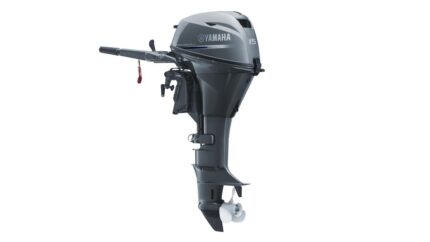
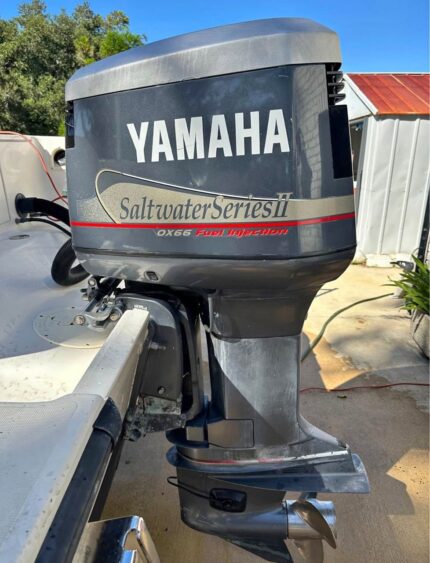
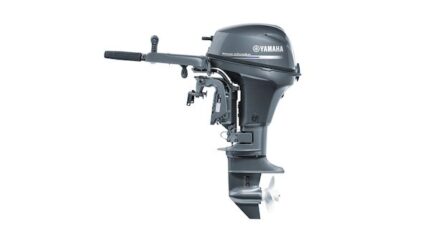
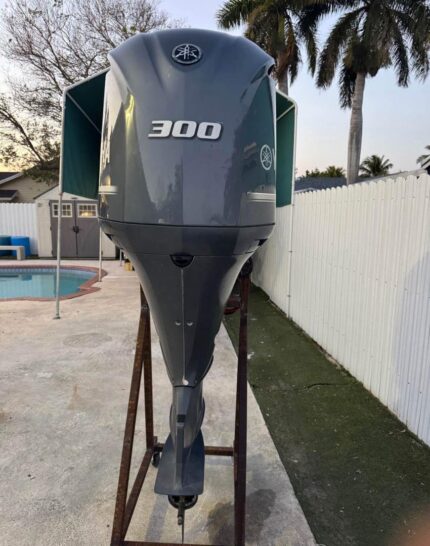
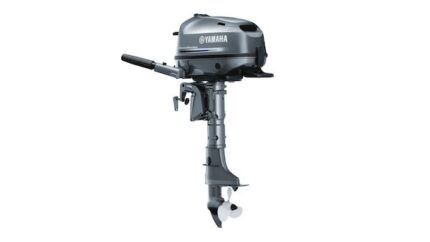
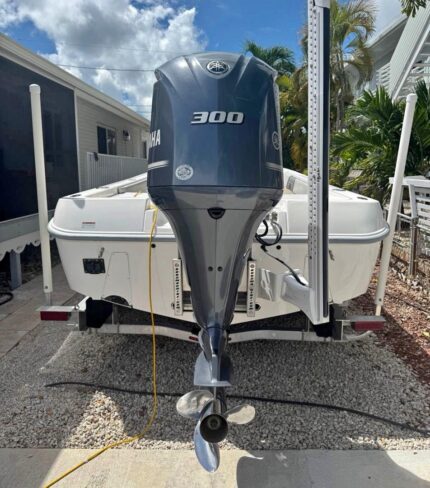
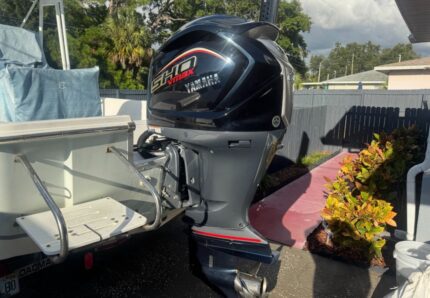
<u>Shop Yamaha Outboard Motors</u>
What Is the Yamaha E40J Enduro?
The Yamaha E40J is part of Yamaha’s Enduro family of commercial-oriented outboard motors. Yamaha lists the E40J among its 75–40 PS Enduro models. The engine uses an in-line two-cylinder configuration, a 669 cm³ displacement, carburetor fuel induction, CDI ignition, and pre-mixed fuel and oil lubrication. Yamaha lists maximum propeller-shaft output at 29.4 kW, or 40 PS, at 5,000 rpm.
The Enduro range was developed with commercial users in mind. Yamaha highlights reinforced durability in areas such as the crankshaft, cylinder block, and roller bearings. The water pump was also developed to provide strong cooling performance during demanding operation.
This is important in Nigeria because many commercial boats operate for long periods. Fishing operators, transport businesses, and boat owners may need an engine that can handle frequent starts, extended running periods, and challenging water conditions.
For buyers comparing Yamaha models, you can explore the wider Yamaha outboard range before deciding which engine best matches your boat.
Yamaha E40J 40HP Specifications
Understanding the technical specifications helps you avoid ordering the wrong engine.
According to Yamaha’s published specifications, the E40J has the following key characteristics:
- Model: Yamaha E40J
- Power: 40 PS
- Maximum propeller-shaft output: 29.4 kW at 5,000 rpm
- Engine type: In-line 2-cylinder
- Displacement: 669 cm³
- Bore: 78.0 mm
- Stroke: 70.0 mm
- Fuel induction: Carburetor
- Ignition: CDI
- Lubrication: Pre-mixed fuel and oil
- Starting: Manual starter or manual and electric starter, depending on version
- Controls: Tiller handle or remote control, depending on version
- Tilt: Manual tilt
- Gear ratio: 2.00
- Dry weight with propeller: approximately 65–71 kg
- Transom heights: S, L, and Y versions are listed
- Full-throttle operating range: 4,500–5,500 rpm
The exact equipment and configuration can vary by market and version. Yamaha also states that product lineups and specifications may differ by country or region and can change without notice.
Before buying a Yamaha E40J outboard motor in Nigeria, confirm the exact model code, shaft length, starting system, controls, propeller specification, and included accessories with the seller.
Why Nigerian Buyers Choose a 40HP Enduro Outboard
A 40HP outboard can offer a useful balance between power, weight, and operating practicality. The Yamaha E40J is not designed as a small recreational engine only. It belongs to Yamaha’s Enduro range, which targets commercial fishing and passenger transport applications.
For a suitable boat, 40 horsepower can provide enough propulsion for many small and medium commercial vessels. However, the correct horsepower depends on the hull design, loaded weight, water conditions, and boat manufacturer’s maximum rating.
The E40J’s relatively compact two-cylinder configuration may also appeal to operators who want a powerful engine without moving to a much heavier outboard class.
For customers comparing two-stroke and four-stroke options, our Yamaha 2-stroke outboard collection can help you review available choices.
Yamaha E40J for Fishing Boats in Nigeria
Fishing is one of the most important applications to consider when discussing the Yamaha E40J Enduro. Commercial fishing boats often operate in demanding conditions. Operators need propulsion that can deliver consistent performance while carrying fishing equipment, fuel, crew, and catch.
The Yamaha E40J’s Enduro design is specifically relevant here because Yamaha developed the series for commercial fishing and passenger vessels.
For a fishing boat, buyers should consider:
- Hull length and width
- Boat construction
- Maximum recommended horsepower
- Normal operating load
- Fuel tank capacity
- Expected cruising speed
- Water depth
- Saltwater exposure
- Availability of trained mechanics
- Availability of replacement parts
Do not select an engine based on horsepower alone. A professional boat builder or marine technician can help determine whether a 40HP engine is suitable for a specific hull.
Yamaha E40J for Passenger and Transport Boats
The Yamaha Enduro series is also designed for passenger and transport applications.
For Nigerian water transport operators, reliability can be more important than maximum speed. A boat used every day needs an engine that can be maintained properly and operated within its intended limits.
Before installing an E40J on a passenger boat, confirm the boat’s approved capacity and the applicable local requirements. Vessel registration, inspection, licensing, and operational requirements may apply depending on the waterway and type of vessel.
Nigeria’s NIWA registration portal provides online services for inland-waterway vessel registration, inspection, permits, and payments.
NIWA Vessel Registration Portal
Choosing the Correct Shaft Length
One of the most important buying decisions is shaft length.
Yamaha lists the E40J with short, long, and Y transom-height options. The published dimensions are approximately 421 mm for S, 548 mm for L, and 598 mm for Y.
The correct shaft length depends on the boat’s transom. An incorrect shaft can affect propeller position, cooling-water intake, handling, and overall performance.
Before you buy Yamaha E40J 40HP Nigeria, measure the boat’s transom and compare it with the manufacturer’s recommended installation dimensions. If you are unsure, provide your boat model and transom measurement to a marine professional.
Do not assume that a long-shaft engine is automatically better. The engine should match the boat.
Fuel and Lubrication
The Yamaha E40J uses a carburetor and a pre-mixed fuel-and-oil lubrication system according to Yamaha’s published specifications.
This means buyers must pay close attention to the correct fuel and oil mixing procedure specified for their exact engine version. Always follow the owner’s manual and use the manufacturer’s recommended lubricant and fuel procedure.
Fuel quality is also important. Poor-quality or contaminated fuel can cause carburetor problems, difficult starting, poor acceleration, and reduced engine performance.
If an E40J will be used commercially, establish a simple fuel management routine. Store fuel correctly, keep fuel containers clean, inspect fuel lines, and prevent water or debris from entering the fuel system.
General marine maintenance guidance also recommends checking fuel lines, fittings, tank vents, and fuel contamination regularly.
Yamaha E40J Maintenance in Nigeria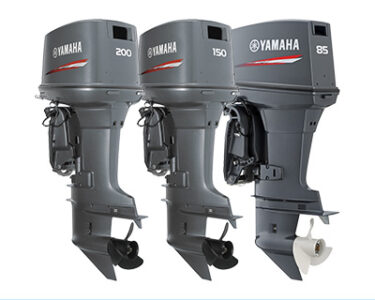
Regular maintenance is one of the best ways to protect your investment.
A commercial outboard should not be treated as a fit-and-forget machine. Daily operation creates wear on the propeller, cooling system, fuel system, controls, fasteners, and lower unit.
A practical maintenance routine should include:
Before Every Trip
Inspect the engine for visible damage. Check the propeller, fuel system, controls, mounting hardware, and cooling-water telltale. Make sure there are no obvious fuel leaks.
After Operation
If the engine has been used in saltwater, flushing with fresh water can help remove salt deposits. General outboard care guidance recommends flushing after trips and checking water-pump flow.
Regular Service
Follow the Yamaha owner’s manual for service intervals and procedures. Inspect spark plugs, fuel-system components, cooling components, gearcase lubricant, propeller condition, and other service items according to the manufacturer’s schedule.
Yamaha Motor official outboard information
You can also compare related models through our Yamaha 2-stroke outboard category.
Why Genuine Parts Matter
A marine engine works under significant load. Using unsuitable replacement components can affect reliability and performance.
When buying Yamaha E40J spare parts, verify the part number and compatibility with the exact model. This is especially important for components such as:
- Spark plugs
- Carburetor components
- Water pump parts
- Impellers
- Gaskets
- Propellers
- Fuel-system components
- Gearcase parts
- Starter components
Avoid buying parts simply because they appear similar. Confirm compatibility before installation.
If you are considering another brand or need an alternative outboard category, you can also view Evinrude marine products.
Buying Yamaha E40J in Nigeria: What to Check
A serious buyer should verify more than the advertised horsepower.
Before paying for a Yamaha E40J, ask the seller for:
- Exact model number.
- Engine condition or new-engine status.
- Shaft length.
- Starting system.
- Control configuration.
- Propeller information.
- Warranty terms.
- Included accessories.
- Shipping arrangements.
- Availability of spare parts.
- Technical documentation.
- Serial-number information where applicable.
If the engine is being imported into Nigeria, buyers should also understand the applicable import and conformity requirements. The Standards Organisation of Nigeria states that SONCAP is a pre-shipment conformity assessment process for regulated imported products.
Requirements can depend on the product and import circumstances. Therefore, confirm the current requirements with the appropriate Nigerian authorities before shipment.
Standards Organisation of Nigeria SONCAP information
Yamaha E40J Price in Nigeria
The Yamaha E40J price in Nigeria can vary significantly. There is no single price that applies to every buyer.
Factors that may affect the final purchase cost include:
- Engine availability
- New or used condition
- Shaft length
- Starting configuration
- Propeller selection
- Shipping cost
- Insurance
- Import duties and taxes
- Exchange rates
- Certification requirements
- Dealer margin
- Spare parts or accessory packages
For this reason, buyers should request a complete quotation rather than comparing headline prices alone.
A lower advertised price may not include shipping, customs-related expenses, accessories, installation, or warranty support. Ask for the complete delivered cost before making a purchase decision.
You can begin your product search through the JP Marine website or visit the JP Marine product shop.
New Yamaha E40J vs Used Outboard
If you are deciding between a new and used Yamaha E40J, the choice should depend on your budget and operational requirements.
A new engine generally offers the advantage of known condition, manufacturer documentation, and clearer warranty arrangements. A used engine may cost less initially, but its actual value depends heavily on maintenance history and mechanical condition.
When inspecting a used E40J, pay close attention to:
- Compression
- Starting performance
- Cooling-water flow
- Gear shifting
- Propeller condition
- Lower-unit oil
- Corrosion
- Fuel-system condition
- Exhaust condition
- Mounting brackets
- Steering components
- Serial-number documentation
For commercial operators, downtime can be expensive. Therefore, the cheapest engine is not always the lowest-cost option over its working life.
E40J Compared With Other Yamaha Outboards
Yamaha offers several outboard categories. The E40J belongs to the Enduro family, while Yamaha also offers conventional two-stroke and four-stroke ranges.
The best choice depends on the application.
A Yamaha E40J Enduro may appeal to commercial operators who prioritize a rugged two-stroke configuration. A four-stroke may be more appropriate for users prioritizing different operating characteristics, depending on the boat and application.
You can compare options in the Yamaha 4-stroke outboard category before choosing.
Do not select an engine solely because it has the highest horsepower. Correct matching is more important than simply maximizing power.
Installation Matters
Even an excellent outboard can perform poorly if installed incorrectly.
The engine should be mounted securely and positioned according to Yamaha’s installation instructions. The propeller must be appropriate for the boat and operating load. Steering and throttle systems should be installed and tested correctly.
The boat itself should also be inspected. A weak transom, damaged hull, incorrect weight distribution, or unsuitable propeller can reduce performance and create safety risks.
For commercial applications, have the installation checked by a qualified marine technician.
Why Buy From a Reliable Marine Supplier?
When purchasing a Yamaha E40J for commercial use, supplier support matters.
A reliable marine supplier should be able to provide clear information about the model, specifications, availability, shipping, documentation, warranty, and compatible parts.
Buyers should avoid sellers who cannot explain the exact model being offered or who make unrealistic claims about performance, fuel consumption, or availability.
A professional quotation should clearly state what is included in the purchase. This makes it easier to compare offers and avoid unexpected costs.
You can explore JP Marine’s main website and its Yamaha product range when researching available marine engines.
Yamaha E40J Nigeria
The Yamaha E40J Enduro is a 40HP two-stroke outboard built around a practical commercial-use concept. Yamaha’s published specifications show a 669 cm³, two-cylinder engine producing 40 PS at 5,000 rpm, with carburetor fuel induction, CDI ignition, and pre-mixed fuel-and-oil lubrication.
For Nigerian fishing, transport, and workboat operators, the most important consideration is not simply the Yamaha E40J’s horsepower. The engine must match the boat, transom, load, propeller, operating environment, and intended duty cycle.
Before ordering, confirm the exact E40J version, shaft length, starting arrangement, controls, accessories, warranty, shipping costs, and applicable import requirements. For commercial use, establish a preventive maintenance plan from the first day of operation.
Routine maintenance also protects performance. General marine guidance recommends regular inspection of fuel components, cooling-water flow, propeller condition, and other engine systems.
For buyers ready to explore their options, start with the JP Marine shop and request current availability, specification details, and a quotation for the Yamaha E40J Enduro suitable for your boat.
Frequently Asked Questions
Is the Yamaha E40J a 40HP engine?
Yes. Yamaha lists the E40J at 40 PS, with maximum propeller-shaft output of 29.4 kW at 5,000 rpm.
Is the Yamaha E40J a two-stroke?
Yes. The E40J is part of Yamaha’s Enduro two-stroke range. Yamaha describes the Enduro family as being designed mainly for commercial fishing and passenger vessels.
What fuel system does the E40J use?
Yamaha lists a carburetor fuel-induction system and pre-mixed fuel-and-oil lubrication for the E40J.
What shaft lengths are available?
Yamaha lists S, L, and Y transom-height versions for the E40J. The published transom heights are approximately 421 mm, 548 mm, and 598 mm respectively.
Is the Yamaha E40J suitable for fishing boats?
It can be suitable for compatible fishing boats because the Enduro series was developed with commercial fishing applications in mind. However, the engine must match the boat’s manufacturer-rated horsepower, transom, weight, and operating requirements.
Where can I buy a Yamaha E40J in Nigeria?
Buyers should work with a reputable marine supplier that can confirm the exact model, specification, availability, warranty, shipping, and documentation. You can begin by checking the JP Marine shop and requesting a current quotation.