Yamaha E40J Outboard Motor Price
Yamaha E40J Outboard Motor Price: Complete Buyer’s Guide
If you are searching for the Yamaha E40J outboard motor price, you are likely looking for a dependable 40 HP engine for fishing, transport, commercial boating, or general marine use. The Yamaha E40J is a 2-stroke Enduro outboard designed for demanding operating conditions. It combines a relatively simple mechanical design with useful power, manageable weight, and practical maintenance requirements.
The final Yamaha E40J price can vary based on the country, supplier, engine configuration, shaft length, shipping costs, taxes, import charges, availability, and whether the engine is supplied as new or used. Buyers should therefore compare the complete purchase package instead of looking only at the advertised engine price. For a current quotation, you can visit the JP Marine website or browse its marine shop.
The Yamaha E40J is particularly attractive to buyers who need a straightforward 40HP 2-stroke outboard motor. Yamaha lists the E40J as an inline two-cylinder, 669 cc engine with carburetion and premixed fuel-and-oil lubrication. Depending on the configuration, Yamaha lists short, long, and Y shaft options, with dry weight ranging from about 65 to 71 kg.
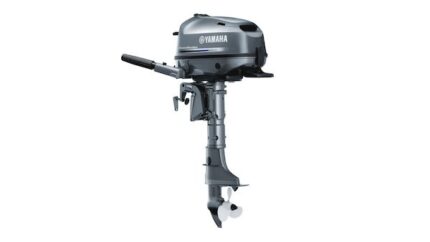
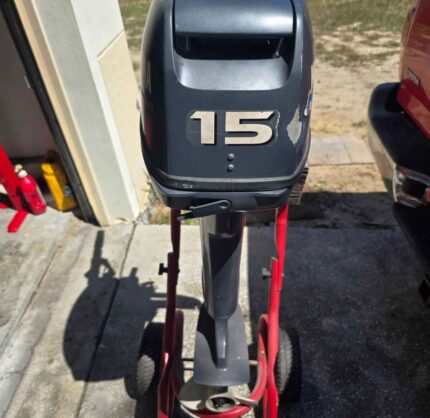
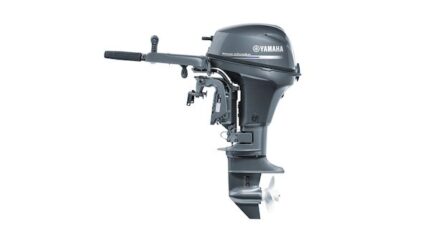
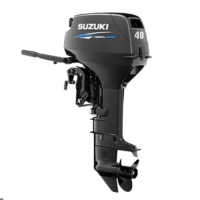
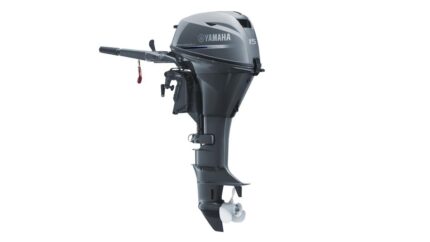
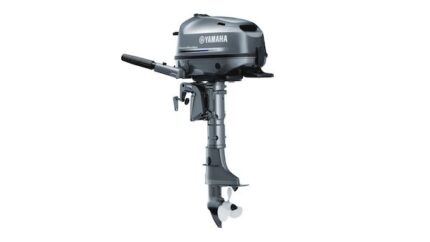
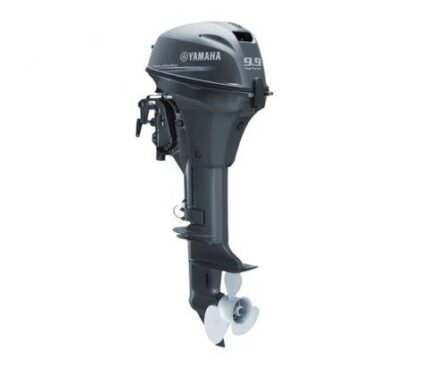
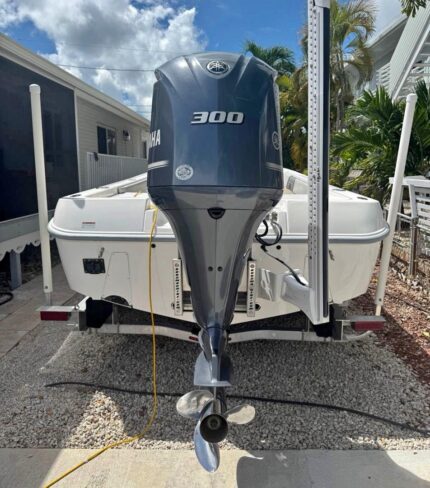
<u><a href=”https://jpmarineinc.com/shop“>Shop Yamaha Outboard Motors</a></u>
What Is the Yamaha E40J Outboard Motor?
The Yamaha E40J is part of Yamaha’s Enduro family of outboard engines. It is built around a two-cylinder, two-stroke design and produces 40 PS at 5,000 rpm according to Yamaha’s published specifications. The engine uses a carburetor and premixed fuel-and-oil lubrication system.
For commercial and recreational buyers, the appeal is simple. The engine offers useful horsepower without the weight and mechanical complexity associated with many larger four-stroke engines. Yamaha also describes its two-stroke outboards as lightweight and compact, with strong acceleration and comparatively straightforward maintenance.
If you are comparing models before buying, explore the Yamaha outboard range at JP Marine. This can help you compare different Yamaha horsepower options and choose an engine that matches your boat.
Yamaha E40J Outboard Motor Price
There is no single worldwide Yamaha E40J outboard motor price. The amount a buyer pays depends on several factors.
The most important factor is the engine’s condition. A new Yamaha E40J can command a different price from a used engine with several years of operating history. A used engine may appear cheaper at first, but its total cost can increase if it needs a carburetor rebuild, water-pump service, propeller replacement, ignition components, or other repairs.
The country of purchase also matters. Buyers importing a Yamaha E40J may need to account for freight, marine insurance, customs duties, taxes, port charges, clearing fees, and local delivery. In Nigeria, buyers should check the current classification and applicable charges through the Nigeria Customs Service tariff portal rather than relying on an old online price estimate.
Another factor is the exact configuration. Yamaha lists the E40J with different transom-height options. The published specifications include S at 421 mm, L at 548 mm, and Y at 598 mm, depending on the configuration.
For this reason, a buyer asking for the Yamaha E40J 40HP price should provide the required shaft length and intended boat type before accepting a quotation.
Why Buyers Choose the Yamaha E40J
The Yamaha E40J has several characteristics that make it attractive to commercial boat operators and individual boat owners.
1. 40 HP Output
The engine produces a maximum prop-shaft output of 29.4 kW, equivalent to 40 PS, at 5,000 rpm.
This power level can suit many small and medium boats when the hull, load, propeller, and operating conditions are properly matched.
2. Two-Cylinder Design
The inline two-cylinder layout keeps the engine relatively compact. The E40J has a 669 cc displacement and a 78 mm bore with a 70 mm stroke.
A simpler engine architecture can also be attractive to operators who value practical servicing.
3. Manageable Weight
Yamaha lists the E40J at approximately 65 to 71 kg depending on configuration, with the published dry weight measured with a propeller.
Lower weight can make installation and handling easier, although buyers should always confirm the complete package weight before arranging transportation.
4. Practical Two-Stroke Construction
Two-stroke engines have fewer major mechanical components than comparable four-stroke engines. Yamaha notes that this can contribute to a lightweight and compact design and make maintenance comparatively straightforward.
This is one reason Yamaha 2-stroke outboard motors remain relevant in markets where rugged, practical marine propulsion is important.
You can also compare the available Yamaha 2-stroke outboard motors before making a final purchase.
Is the Yamaha E40J Suitable for Commercial Fishing?
For buyers searching for a Yamaha E40J commercial outboard, the intended application is an important consideration.
The Enduro family has been associated with demanding operating environments. Yamaha’s technical material explains that Enduro two-stroke engines have been developed with challenging commercial applications in mind, including coastal fisheries in Africa and other regions.
However, the correct engine depends on the boat. A 40 HP engine should not be installed simply because it is popular. The hull manufacturer, transom rating, boat weight, passenger capacity, operating waters, propeller selection, and expected load should all be considered.
A professional dealer can help determine whether 40 HP is appropriate for your boat.
Yamaha E40J Shaft Length and Boat Compatibility
Shaft length is one of the most important specifications to check before paying for a Yamaha E40J outboard motor.
The E40J is available with different transom-height configurations. Yamaha’s current specification page identifies S, L, and Y options.
Choosing the wrong shaft length can affect engine positioning and propeller performance. An engine that is too short may not sit correctly in the water. An excessively long shaft can also create installation and performance problems.
Before ordering, measure the boat’s transom and compare it with the engine specification. If you are unsure, ask the supplier to confirm compatibility before payment.
New Yamaha E40J vs Used Yamaha E40J
Buyers searching for a new Yamaha E40J for sale often want the lowest possible price. However, the cheapest offer is not always the best value.
A new engine generally provides greater confidence regarding engine condition and history. It may also come with supplier or manufacturer warranty terms, depending on the market and seller.
A used Yamaha E40J can offer a lower purchase price. However, buyers should inspect the engine carefully.
Check the following:
- Compression condition
- Cooling-water telltale
- Gear-shift operation
- Propeller condition
- Lower-unit oil
- Corrosion
- Fuel system
- Carburetor condition
- Starting system
- Steering components
- Mounting bracket
- Signs of overheating
- Previous repairs
- Engine identification details
Ask for a running demonstration where possible. A professional inspection can prevent a low purchase price from becoming an expensive repair project.
What Should Be Included in the Yamaha E40J Price?
When comparing Yamaha E40J outboard motor prices, ask exactly what the quoted amount includes.
Some sellers quote an engine-only price. Others may provide a more complete package.
The quotation should clearly state whether it includes:
- Yamaha E40J engine
- Propeller
- Fuel-related components
- Standard controls, if applicable
- Owner documentation
- Warranty
- Packaging
- Freight
- Marine insurance
- Export documentation
- Import charges
- Local delivery
- Installation
A quotation that appears more expensive may actually offer better value if it includes more of these items.
For additional marine products, visit the JP Marine shop.
Yamaha E40J Fuel and Lubrication
The E40J uses a carburetor and a premixed fuel-and-oil lubrication system according to Yamaha’s published specifications.
Correct fuel and oil handling is therefore essential. Owners should follow the manufacturer’s instructions for fuel preparation and lubrication. Do not guess the oil-to-fuel ratio or substitute unsuitable lubricants.
Yamaha also emphasizes the importance of marine engine oil because outboard motors can operate under severe loads for extended periods.
Using the correct lubricant and maintaining the fuel system can help protect engine performance and reliability.
Maintenance Costs to Consider
The purchase price is only one part of the ownership cost.
A buyer should budget for routine maintenance and consumables. Depending on the operating environment, this can include spark plugs, gear oil, fuel-system service, cooling-system inspection, propeller maintenance, lubrication, and corrosion protection.
Saltwater operation requires particular attention. Salt and moisture can accelerate corrosion if the engine is not properly maintained.
Yamaha provides an online library of owner manuals and documents by region. Buyers should use the appropriate manual for their engine and market.
You can also browse Yamaha-related marine products and outboards at JP Marine.
Where to Buy a Yamaha E40J Outboard Motor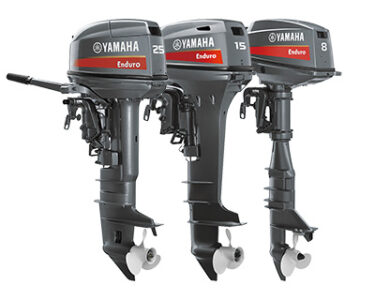
A serious buyer should purchase from a supplier that can provide clear product information and a transparent quotation.
Before sending payment, confirm:
- Exact model number.
- Engine condition.
- Shaft length.
- Engine serial or identification information.
- Included accessories.
- Warranty terms.
- Delivery location.
- Shipping method.
- Estimated delivery time.
- Payment terms.
- Return or cancellation terms where applicable.
- Documentation supplied with the engine.
You can contact JP Marine to discuss available marine engines and related products.
Yamaha E40J Price in Nigeria
The search term Yamaha E40J outboard motor price in Nigeria has strong buyer intent because Nigerian boat owners, fishing operators, marine transport businesses, and commercial users may need reliable propulsion for local waterways and coastal operations.
However, buyers should not depend on a fixed internet price. Exchange rates, stock availability, shipping costs, taxes, customs charges, and supplier margins can change the final amount.
For imported equipment, confirm current customs requirements before placing an order. The official Nigeria Customs Service tariff portal provides tools for checking tariff classifications and applicable trade information.
A professional quotation should show the product price separately from freight and other charges. This gives you a clearer picture of your actual landed cost.
Compare the Yamaha E40J With Other Yamaha Outboards
The E40J may be the right option for a buyer who specifically wants a 40 HP two-stroke Enduro engine. However, some customers may prefer a four-stroke model because of different operating requirements.
Four-stroke engines can offer different fuel-efficiency, noise, emissions, and operating characteristics. The correct choice depends on the boat and application.
If you want to compare alternatives, visit the Yamaha 4-stroke outboard category.
You can also review Evinrude outboard products if you are comparing brands and propulsion options.
Important Questions Before Buying
Before accepting a Yamaha E40J price quote, ask the seller:
Is the engine new or used?
This can have a major effect on value.
What shaft length is available?
Make sure it matches your boat.
Does the price include a propeller?
Yamaha notes that propellers can be sold separately for some outboard models.
What warranty is offered?
Get the warranty terms in writing.
Is shipping included?
International freight can significantly change the final cost.
Are customs charges included?
Never assume that an advertised price is the final landed price.
Can the seller provide model information and documentation?
Clear documentation helps buyers confirm exactly what they are purchasing.
Why Buy From a Specialist Marine Supplier?
A specialist marine supplier can provide more useful guidance than a general marketplace seller. Marine engines require correct installation, appropriate propeller selection, suitable maintenance, and proper handling.
A professional supplier can also help buyers compare horsepower, shaft length, engine type, accessories, and delivery options.
For customers looking for other outboard choices, the JP Marine Yamaha category provides another starting point for comparing available models.
Yamaha E40J Outboard Motor Price
The Yamaha E40J outboard motor price should be evaluated as part of the complete buying package rather than as a single number. The engine is a 40 PS, 669 cc, inline two-cylinder, two-stroke outboard with carburetion and premixed lubrication. Yamaha lists several shaft configurations and a dry weight of approximately 65 to 71 kg, depending on specification.
For buyers who need a practical 40HP Yamaha 2-stroke outboard, the E40J can be an appealing option. It is especially worth considering when simplicity, manageable weight, and commercial-oriented Enduro characteristics are important.
Before buying, confirm the current price, engine condition, shaft length, accessories, warranty, shipping, taxes, customs requirements, and final landed cost. This approach makes it easier to compare genuine offers and avoid unexpected expenses.
If you are ready to purchase, start by requesting a current quotation from a marine supplier. Compare the complete package, not just the advertised engine price. For additional Yamaha options, visit the Yamaha 2-stroke outboard section and review the available marine products.
Helpful External Resources
For manufacturer specifications and buyer research, these reputable sources are useful: