Buy Yamaha E30H 30HP 2 Stroke Nigeria
Buy Yamaha E30H 30HP 2 Stroke Nigeria
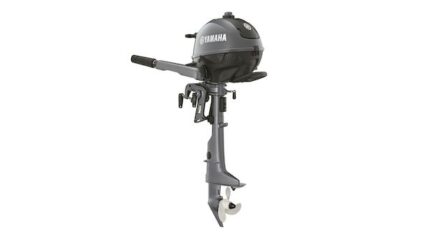
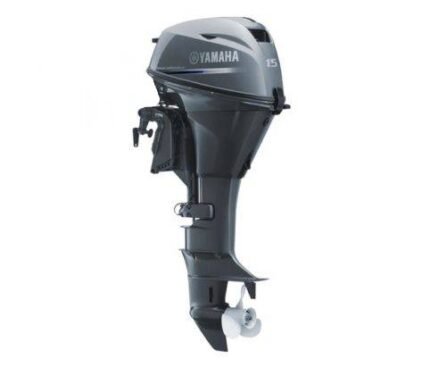
If you want a dependable outboard motor for fishing, passenger transport, river operations, or a workboat in Nigeria, the Yamaha E30H 30HP 2 stroke is a practical option to consider. This Yamaha Enduro outboard is built around a simple two-cylinder, carbureted two-stroke design. Yamaha lists the E30H with a 496 cm³ displacement, 30 PS output at 5,000 rpm, manual starting, tiller control, manual tilt, and pre-mixed fuel and oil. Depending on configuration, the engine is available with short or long transom height.
For Nigerian buyers, choosing the right outboard is about more than horsepower. You need an engine that matches your boat, operating conditions, fuel practices, maintenance capability, and intended workload. The Yamaha E30H 30HP outboard motor Nigeria market can appeal to buyers who prefer a straightforward mechanical engine that is easy to understand and service. Before placing an order, confirm the exact model configuration, shaft length, included propeller, documentation, warranty, and delivery arrangements with the seller.
A serious buyer should also consider the boat’s transom height and expected load. The Yamaha E30H specification lists a short shaft transom height of approximately 423 mm (16.7 inches) and a long shaft height of approximately 550 mm (21.7 inches). Yamaha also lists dry weights in the range of about 53–55 kg for its Enduro E30H configurations. If you are ready to compare options, you can explore the Yamaha outboard range at JP Marine before deciding which engine best suits your boat.
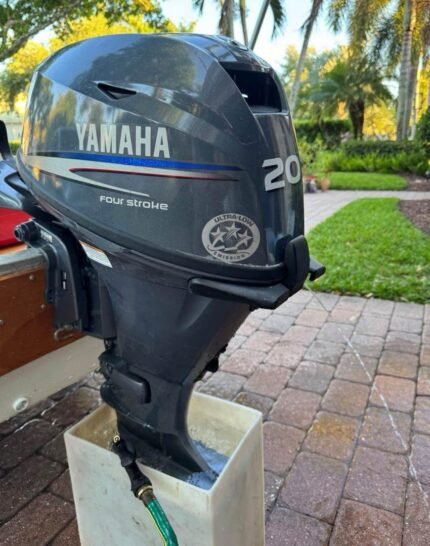
<u><a href=”https://jpmarineinc.com/shop“>Shop Yamaha E30H 30HP Outboard Motors</a></u>
Why Buy Yamaha E30H 30HP 2 Stroke Nigeria?
The main attraction of the Yamaha E30H is its combination of useful power, uncomplicated construction, and manageable size. A 30HP outboard sits in a popular range for small and medium boats. It can provide enough propulsion for many fishing boats, transport boats, utility craft, and other vessels when the engine and boat are correctly matched.
The E30H uses an in-line two-cylinder two-stroke engine with a 496 cm³ displacement. Its maximum propeller-shaft output is 22.1 kW, equivalent to 30 PS, at 5,000 rpm. Yamaha specifies a full-throttle operating range of approximately 4,500–5,500 rpm.
This specification makes the engine particularly interesting for buyers who value practical performance rather than unnecessary complexity. If your priority is a robust 30HP marine engine for regular commercial or recreational use, the E30H deserves a place on your shortlist.
Yamaha E30H 30HP Key Specifications
Before you buy Yamaha E30H 30HP 2 stroke Nigeria, review the main specifications carefully.
- Model: Yamaha E30H
- Engine type: In-line 2-cylinder, 2-stroke
- Displacement: 496 cm³
- Maximum output: 30 PS / 22.1 kW
- Maximum output speed: 5,000 rpm
- Fuel induction: Carburetor
- Starting system: Manual starter
- Control: Tiller handle
- Tilt: Manual tilt
- Lubrication: Pre-mixed fuel and oil
- Short shaft: Approximately 423 mm
- Long shaft: Approximately 550 mm
- Approximate dry weight: 53–55 kg, depending on configuration
These figures are based on Yamaha’s published E30H Enduro specifications. Always verify the exact specification of the unit being supplied because model configurations can vary by market.
For comparison shopping, buyers can also visit the JP Marine Yamaha 2 stroke outboard category to review other Yamaha two-stroke options.
A Practical Engine for Nigerian Boat Owners
Nigeria has a wide range of waterways and marine applications. Boat operators may need an outboard for fishing, transportation, logistics, tourism, patrol work, or general utility operations.
The Yamaha E30H can be attractive in these situations because it provides 30HP without becoming as heavy as many larger outboards. Its relatively compact design can be useful when the boat operator needs a balance between propulsion and manageable engine weight.
However, horsepower should never be considered alone. A heavily loaded boat may require a different engine size than a lightly loaded fishing boat. Hull shape, boat length, passenger capacity, cargo weight, propeller selection, water conditions, and operating habits all influence performance.
Before you buy Yamaha 30HP 2 stroke outboard Nigeria, confirm that the E30H is appropriate for your boat manufacturer’s recommended horsepower range.
Short Shaft or Long Shaft Yamaha E30H?
One of the most important buying decisions is shaft length.
Yamaha publishes the E30H with short and long transom configurations. The short shaft is approximately 16.7 inches, while the long shaft is approximately 21.7 inches.
Choosing the wrong shaft length can affect engine position and boat performance. The anti-ventilation plate should sit at the correct height relative to the hull. Therefore, do not choose a shaft simply because it is cheaper or more readily available.
Ask the seller to confirm:
- Your boat’s transom height.
- The Yamaha E30H shaft configuration.
- The exact model code.
- The propeller supplied.
- Whether installation hardware is included.
If you need a different type of Yamaha outboard, you can also review Yamaha 4 stroke outboards from JP Marine before making your final choice.
Yamaha E30H for Fishing in Nigeria
Fishing is one of the applications where a 30HP outboard can make sense. The correct engine can provide propulsion for a fishing boat while leaving useful payload capacity for equipment, fuel, nets, catch, and passengers.
The E30H’s tiller-handle arrangement can also be useful on boats designed around direct operator control. The engine’s manual starter and manual tilt system keep the operating arrangement relatively straightforward.
Still, fishing operators should consider the total load carefully. A boat carrying several people and heavy fishing equipment will behave differently from a lightly loaded boat. Propeller selection is also important because the engine should operate within its recommended full-throttle range.
Yamaha E30H for Commercial Boat Operations
Commercial operators often prioritize uptime, straightforward maintenance, fuel availability, and access to replacement parts.
The E30H’s carbureted two-stroke layout is relatively simple compared with more electronically complex propulsion systems. For an operator who already understands two-stroke outboards, this can make routine troubleshooting more familiar.
However, simple does not mean maintenance-free. A commercial engine can experience significant wear when it operates for long hours, carries heavy loads, or runs in dirty, sandy, brackish, or saltwater conditions.
If you are comparing marine products before purchase, visit the JP Marine online shop and ask the supplier about current availability, configuration, shipping, warranty, and after-sales support.
Fuel and Oil Requirements
The Yamaha E30H uses a pre-mixed fuel-and-oil lubrication system according to Yamaha’s published specifications.
This means buyers must pay close attention to correct fuel preparation. Using an incorrect oil ratio or unsuitable lubricant can increase the risk of poor combustion, excessive deposits, spark plug problems, or engine damage.
Yamaha’s marine guidance emphasizes using oil designed for two-stroke water-cooled outboards and identifies TC-W3 as the relevant marine oil standard.
For Nigerian operators, fuel quality is also important. Fresh, clean fuel and proper storage practices can help reduce fuel-system problems. Yamaha recommends paying attention to fuel freshness and fuel-system maintenance.
Always follow the exact fuel and oil instructions supplied with your specific Yamaha engine.
Yamaha E30H Maintenance in Nigeria
Regular maintenance is essential if you want your Yamaha E30H 30HP 2 stroke to deliver dependable service.
After operating in saltwater or brackish water, flushing is especially important. Yamaha recommends regular flushing and corrosion prevention as part of outboard care.
A practical maintenance routine should include:
- Inspecting the propeller.
- Checking the cooling-water flow.
- Inspecting spark plugs.
- Checking fuel lines.
- Inspecting the carburetor.
- Checking the gearcase.
- Inspecting fasteners.
- Flushing the cooling system after saltwater use.
- Checking for corrosion.
- Following the Yamaha service schedule.
- Storing the engine correctly during extended periods of inactivity.
Yamaha also recommends maintenance practices designed to protect outboards from corrosion and wear.
For additional Yamaha maintenance information, buyers can consult Yamaha’s official marine maintenance guidance. This is especially useful if you want to understand the care requirements before purchasing.
Why Maintenance Matters for Resale Value
A well-maintained Yamaha outboard can be easier to sell than an engine with an unknown service history.
Keep records of servicing, parts replacement, repairs, and engine inspections. Documenting maintenance can help a future buyer understand how the engine has been used.
Yamaha itself notes that proper maintenance can help safeguard performance and resale value.
This is particularly important if you operate the engine commercially. Heavy use is not automatically a problem when the engine is serviced correctly, but neglect can quickly turn a reliable outboard into an expensive repair project.
What to Check Before You Buy Yamaha E30H in Nigeria
A buyer should avoid making a purchase based only on a photograph and advertised horsepower.
Before payment, request clear information about the exact engine.
1. Confirm the model
Make sure the engine is actually an E30H or the exact Yamaha model configuration advertised.
2. Confirm shaft length
Choose short or long shaft according to your boat’s transom.
3. Ask about engine condition
If purchasing a used unit, request compression information, service records, photographs, and a running video where possible.
4. Check the serial or identification information
Engine identification helps establish the correct parts and service information.
5. Confirm what is included
Ask whether the purchase includes a propeller, fuel tank, fuel line, owner’s manual, tool kit, mounting accessories, and other equipment.
6. Confirm warranty
Do not assume that every Yamaha E30H sold online has the same warranty. Ask for the terms in writing.
7. Confirm shipping to Nigeria
Ask about the shipping method, estimated delivery time, packaging, customs documentation, and destination arrangements.
8. Confirm payment terms
For a high-value marine purchase, use a secure and traceable payment process.
New Yamaha E30H or Used 30HP Outboard?
A new Yamaha E30H can offer peace of mind because the buyer can establish ownership and maintenance history from the beginning.
A used Yamaha 30HP outboard may cost less, but the condition is much more important than the age alone. A poorly maintained engine can require costly repairs after purchase.
If you are considering a used Yamaha E30H, ask for:
- Compression test results.
- Cold-start video.
- Idle-running video.
- Cooling-water tell-tale video.
- Gear-shifting demonstration.
- Propeller photographs.
- Gearcase inspection.
- Spark plug condition.
- Maintenance records.
- Serial/model identification.
A serious buyer should never treat a low advertised price as proof of a good deal.
Yamaha E30H vs Other Outboard Options
The 30HP category includes both two-stroke and four-stroke engines.
The E30H is a two-stroke design with a carburetor and pre-mixed fuel-and-oil lubrication. Yamaha also produces four-stroke outboards that use different technologies and operating characteristics.
If low weight, simple mechanical construction, and traditional two-stroke operation are priorities, the E30H may be attractive. If emissions, fuel economy, quieter operation, and four-stroke technology are higher priorities, compare it with an appropriate four-stroke alternative.
You can explore JP Marine’s Yamaha outboard collection to compare available Yamaha models.
You can also consider Evinrude outboards at JP Marine when researching alternatives in the marine engine market.
Buying From a Marine Engine Supplier
When buying an outboard online, the supplier matters almost as much as the engine.
A professional supplier should be able to answer questions about specifications, shaft length, availability, shipping, warranty, documentation, and technical support.
Avoid sellers who cannot provide basic product information. Be cautious when the price is dramatically lower than comparable offers, especially when the seller asks for payment without providing clear documentation.
For buyers researching marine equipment, JP Marine provides an online marine product platform where you can review available products and contact the supplier about purchasing requirements.
You can also browse the JP Marine shop for other marine equipment and outboard options.
Shipping a Yamaha E30H to Nigeria
International buyers should confirm shipping arrangements before paying.
Ask whether the engine will be shipped by air or sea, how it will be packaged, and which documents accompany the shipment. Shipping costs can depend on engine weight, dimensions, destination, freight method, insurance, and customs requirements.
For Nigeria, buyers should also consider applicable import procedures, duties, port charges, and local delivery costs. These costs can significantly affect the final landed price.
Do not compare engines using the advertised purchase price alone. Instead, calculate the complete landed cost.
Nigerian Waterway Compliance
Owning an outboard does not replace the need to comply with applicable Nigerian waterway requirements.
The National Inland Waterways Authority, or NIWA, states that its regulatory responsibilities include vessel registration and licensing, navigation regulations, environmental regulations, inspections, and enforcement.
NIWA also provides an electronic registration system for vessel registration, inspection, permits, and related payments.
Before putting a boat into commercial or regulated service, confirm the current requirements that apply to your vessel and operating area.
For official information, visit NIWA’s regulatory services and check the relevant requirements before operation.
Why the Yamaha E30H Can Be a Smart 30HP Choice
The Yamaha E30H combines useful horsepower with a relatively straightforward engine design. Its 496 cm³ two-cylinder engine produces 30 PS at 5,000 rpm, while the available shaft configurations make it adaptable to different transom arrangements.
For buyers searching for a Yamaha E30H for sale Nigeria, the strongest reasons to consider this model include:
- 30HP-class propulsion.
- Two-cylinder two-stroke configuration.
- 496 cm³ displacement.
- Carbureted fuel induction.
- Manual starting.
- Tiller control.
- Manual tilt.
- Short and long shaft configurations.
- Relatively manageable engine weight.
- Practical suitability for many small and medium boat applications.
The right engine, however, is always the engine that matches the boat and the job.
If your goal is to buy Yamaha E30H 30HP 2 stroke Nigeria, start with your boat rather than the engine price. Confirm the manufacturer’s recommended horsepower range, measure the transom, determine your normal passenger and cargo load, and identify whether you need a short or long shaft.
Next, confirm the engine’s condition and configuration. Ask about availability, warranty, documentation, shipping, accessories, and after-sales support. If you are buying a used Yamaha E30H, request evidence of mechanical condition before making payment.
The Yamaha E30H is a practical 30HP two-stroke outboard for buyers who understand the benefits and maintenance requirements of traditional two-stroke marine engines. Yamaha’s published specifications confirm its 496 cm³ displacement, 30 PS output, carbureted induction, tiller operation, manual start, manual tilt, and pre-mixed fuel-and-oil lubrication.
For more options, browse Yamaha 2 stroke outboards or compare with Yamaha 4 stroke outboards. Making the purchase based on correct specifications, verified condition, and total landed cost will give you a much better chance of getting the right marine engine for your Nigerian boat.
Buyer Resources
For additional technical information, buyers can review Yamaha Motor’s official E30H specifications, Yamaha Outboards maintenance guidance, Yamaha’s fuel-system maintenance guidance, Yamaha Marine maintenance information, and NIWA’s regulatory services. These sources provide useful background for buyers who want to understand specifications, maintenance, and Nigerian waterway compliance.