Yamaha 15HP 2 Stroke Boat Motor
Yamaha 15HP 2 Stroke Boat Motor: Complete Buyer’s Guide
If you need a dependable engine for fishing, transport, farming, patrol work, or everyday boating, the Yamaha 15HP 2 stroke boat motor is a practical option to consider. Its compact size, simple mechanical design, and useful power output make it suitable for many small and medium-sized boats. For buyers who want a lightweight 15HP Yamaha outboard motor, the two-stroke configuration can offer a straightforward solution for demanding water operations.
The Yamaha 15HP two-stroke outboard is especially attractive to buyers who value simple controls, easy servicing, and a strong power-to-weight ratio. Yamaha’s official specifications for the 15F two-stroke list an inline two-cylinder engine, 246 cm³ displacement, carburetor fuel induction, manual starting, tiller-handle controls, manual tilt, and premixed fuel-and-oil lubrication. The published dry weight is approximately 36–38 kg, depending on configuration.
For Nigerian boat owners, choosing the correct outboard is about more than horsepower. Hull size, passenger load, operating conditions, shaft length, propeller selection, fuel availability, maintenance support, and intended use all matter. Before purchasing a Yamaha 15HP 2 stroke boat motor, confirm that the engine is correctly matched to your boat and that the required documentation and waterway requirements are satisfied.
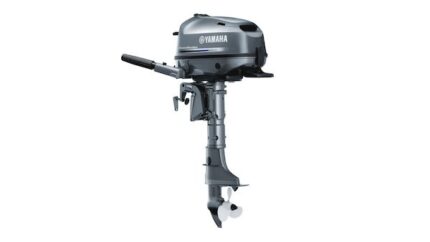
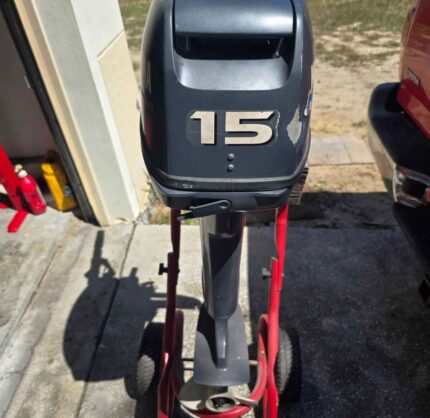
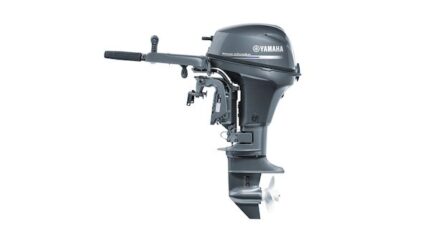
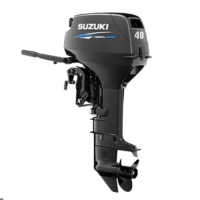
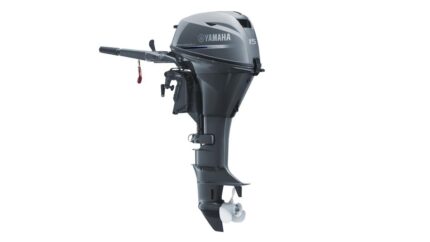
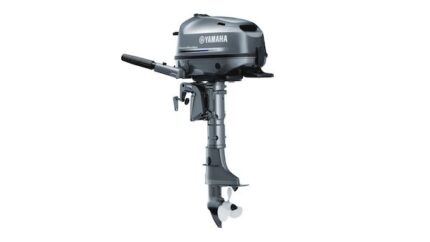
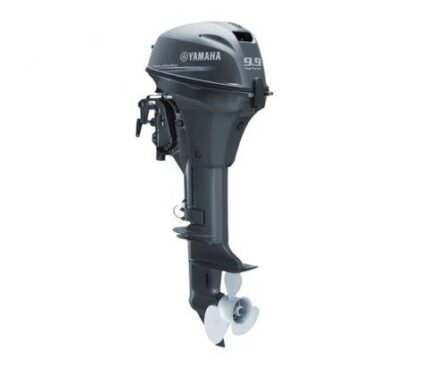
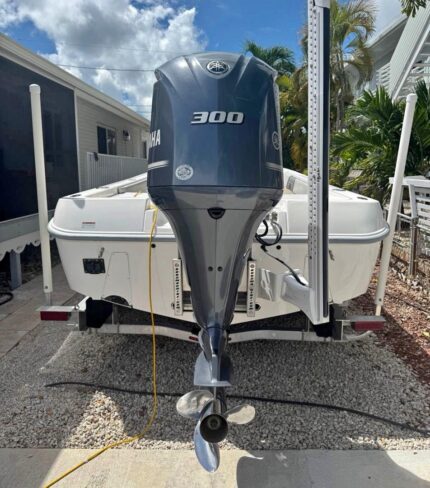
<u><a href=”https://jpmarineinc.com/shop“>Shop Yamaha Outboard Motors</a></u>
Why Choose a Yamaha 15HP 2 Stroke Boat Motor?
A 15HP outboard sits in a useful middle ground for small commercial and recreational boats. It offers more propulsion capability than many 5HP, 6HP, 8HP, or 9.9HP engines without reaching the size and weight of larger 20HP or 25HP outboards.
The Yamaha 15HP 2 stroke boat motor is designed around a relatively simple mechanical layout. This can be attractive for operators who want an engine that is familiar to marine technicians and easier to diagnose than some modern electronic systems.
The Yamaha 15F specification shows a 246 cm³, two-cylinder engine producing 15 PS at 5,000 rpm. It uses a carburetor, manual starter, tiller handle, manual tilt, and premixed fuel-and-oil lubrication.
That combination makes this type of engine particularly interesting for:
- Fishing boats
- Aluminium boats
- Fibreglass boats
- Small utility boats
- River transport boats
- Workboats
- Tender boats
- Agricultural water transport
- Recreational fishing
- Light commercial operations
Buyers should always check the manufacturer’s recommended boat and load limits before installation.
Yamaha 15HP 2 Stroke Specifications
Specifications can vary by market and model designation, so buyers should verify the exact model before placing an order. Yamaha’s official two-stroke 15F specifications provide a useful reference point.
| Specification | Yamaha 15F 2 Stroke |
|---|---|
| Engine type | Inline 2-cylinder |
| Displacement | 246 cm³ |
| Bore × stroke | 56.0 × 50.0 mm |
| Maximum prop-shaft output | 11.0 kW / 15 PS |
| Rated engine speed | 5,000 rpm |
| Fuel induction | Carburetor |
| Starting system | Manual starter |
| Controls | Tiller handle |
| Tilt system | Manual tilt |
| Lubrication | Premixed fuel and oil |
| Shaft options | Short and long shaft |
| Approx. dry weight | 36–38 kg |
These figures are based on Yamaha’s published 15F two-stroke specifications. Exact equipment, shaft options, colours, graphics, and availability can differ between markets.
Yamaha also publishes an Enduro E15D specification. The E15D is listed with a 246 cm³ inline two-cylinder engine, 15 PS output at 5,000 rpm, carburetor fuel induction, manual starting, tiller controls, manual tilt, premixed fuel-and-oil lubrication, and dry weight of approximately 38–41 kg. It is available with short, long, and extra-long transom-height configurations.
This distinction matters if you are specifically searching for a Yamaha E15D 15HP Enduro, rather than a general Yamaha 15HP two-stroke.
Yamaha 15HP 2 Stroke for Fishing Boats
Fishing is one of the most common reasons buyers choose a 15HP outboard motor. A properly matched Yamaha 15HP engine can provide useful thrust while remaining relatively manageable for boat operators who need to transport, install, remove, or service the motor.
For fishing operations, engine reliability is especially important. A motor that starts consistently and responds smoothly to throttle input can make trips more productive and reduce unnecessary downtime.
The engine can be suitable for river fishing, lake fishing, coastal fishing, and other applications where the boat is correctly matched to the available horsepower.
However, buyers should not assume that every fishing boat is suitable for a 15HP engine. Check the boat manufacturer’s maximum horsepower rating before installation. Overpowering a boat can create handling and safety problems.
Yamaha 15HP 2 Stroke for Commercial Boat Use
The Yamaha 15HP outboard motor can also appeal to commercial operators who need compact propulsion for regular short-distance transport.
Commercial users may include:
- Local passenger transport operators
- Fishermen
- Boat rental businesses
- Agricultural operators
- River communities
- Inspection teams
- Small workboat operators
- Waterfront businesses
Commercial operation places greater demands on an outboard than occasional recreational use. If your engine will run for many hours every day, maintenance should be treated as a business priority.
Keep service records, inspect the propeller regularly, use the correct fuel and oil mixture, and follow the manufacturer’s maintenance instructions.
Yamaha provides an online library where owners can access manuals and documents for outboard engines by region.
Short Shaft or Long Shaft Yamaha 15HP?
Choosing the correct shaft length is one of the most important parts of buying a Yamaha 15HP 2 stroke boat motor.
A short-shaft engine is normally intended for boats with a lower transom. A long-shaft engine is designed for a taller transom. The correct choice helps position the propeller at the proper depth.
Yamaha’s published 15F specifications list a short shaft around 440 mm and a long shaft around 567 mm. The Enduro E15D specification lists short, long, and extra-long configurations.
Do not select a shaft length simply because it is cheaper or more readily available. Measure your boat’s transom and confirm the correct specification before ordering.
If you are unsure, provide the boat model, transom height, hull type, and intended use to the marine supplier.
Yamaha 15HP Two Stroke Fuel System
The classic Yamaha 15HP two-stroke configuration uses a carburetor and premixed fuel-and-oil lubrication. This is different from many modern four-stroke Yamaha outboards.
Premixing means the correct amount of approved two-stroke outboard oil must be combined with the fuel according to the engine manufacturer’s requirements. The exact mixture ratio should always come from the applicable owner’s manual or authorised technical documentation.
Do not guess the oil ratio.
Too little oil can contribute to inadequate lubrication. Too much oil can create excessive smoke, deposits, poor running, and other problems.
Fuel quality also matters. Older carbureted two-stroke engines can be sensitive to stale or contaminated fuel. Discover Boating recommends proper fuel management and notes that carbureted engines can be affected by fuel deterioration and deposits.
Maintenance of a Yamaha 15HP 2 Stroke
Routine maintenance can help protect your investment and reduce unexpected downtime.
After operating in salt water, flushing the cooling system is particularly important. Discover Boating recommends flushing an outboard after every trip, including freshwater outings, and checking for proper cooling-water flow.
Important maintenance checks include:
- Inspect the propeller for damage.
- Check the cooling-water tell-tale.
- Inspect fuel lines and connections.
- Keep the fuel system clean.
- Use the recommended two-stroke oil.
- Check spark plugs.
- Inspect the propeller shaft.
- Check for fishing line around the propeller shaft.
- Flush the engine after use where appropriate.
- Follow the Yamaha maintenance schedule.
If the engine suddenly loses power, overheats, becomes difficult to start, or produces unusual sounds, stop using it and have it inspected by a qualified marine technician.
Why Weight Matters on a 15HP Outboard
Weight is an important advantage when comparing compact outboards.
Yamaha lists the 15F two-stroke at approximately 36–38 kg dry, while the Enduro E15D is listed at approximately 38–41 kg depending on configuration.
A relatively manageable engine weight can make transportation and installation easier. This is useful for fishermen and boat owners who remove the motor from the boat after each trip.
Still, never carry or install an outboard alone if its weight or position creates a lifting risk. Use appropriate equipment and assistance.
Yamaha 15HP 2 Stroke vs 15HP 4 Stroke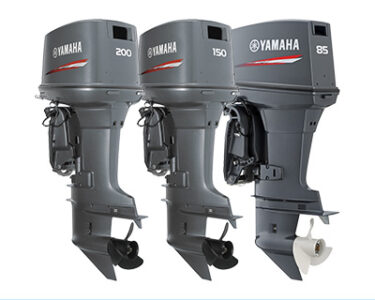
Buyers often compare a Yamaha 15HP two-stroke with a Yamaha 15HP four-stroke.
The main difference is engine design and operating characteristics.
A two-stroke generally has a simpler power unit and premixed fuel-and-oil lubrication. A four-stroke uses a separate engine-oil lubrication system and has a different combustion cycle.
Yamaha’s current 15HP four-stroke specification is substantially different from its classic 15F two-stroke specification. The current F15 is listed as a 362 cm³ SOHC inline two-cylinder engine with a carburetor, wet-sump lubrication, and CDI ignition.
This means buyers should never compare engines by horsepower alone.
Consider:
- Engine weight
- Fuel system
- Fuel consumption
- Noise
- Maintenance requirements
- Purchase price
- Availability of parts
- Intended boat
- Operating hours
- Local service support
For buyers specifically looking for the traditional two-stroke design, the Yamaha 15HP two-stroke remains a distinct product category.
Buying a Yamaha 15HP 2 Stroke Boat Motor
If you are ready to buy, start by confirming the exact model.
Search terms such as Yamaha 15HP 2 stroke for sale, Yamaha 15HP outboard motor, Yamaha 15HP Enduro, Yamaha E15D, Yamaha E15D 15HP, and Yamaha 15HP boat engine can produce different results.
Always confirm:
- Exact model number
- Shaft length
- New or used condition
- Production market
- Included propeller
- Starting system
- Warranty
- Spare-parts availability
- Shipping arrangements
- Documentation
- Seller reputation
If you are sourcing a motor for Nigeria, ask the supplier to confirm availability and delivery options before making payment.
For inland-waterway operations, also check the applicable local requirements. NIWA states that it has regulatory responsibilities for inland navigation and provides registration and other waterway services.
Where to Buy Yamaha Outboard Motors
You can explore marine engine options through the JP Marine website and browse available products through the JP Marine shop.
For Yamaha-specific options, visit the Yamaha outboard product category. Buyers comparing technologies can also review the Yamaha 4-stroke outboard category and the Yamaha 2-stroke outboard category.
If you are also comparing brands, you can view Evinrude outboards.
Yamaha 15HP 2 Stroke for Nigeria
Nigeria has extensive inland waterways, and NIWA reports more than 3,000 km of navigable waterways. It also regulates aspects of inland navigation and watercraft operations.
This makes correct engine selection important for Nigerian boat operators.
A Yamaha 15HP two-stroke can be considered for appropriately rated boats used on rivers, lakes, fishing grounds, and other suitable waterways. However, operating conditions can vary significantly. Strong currents, heavy passenger loads, shallow water, weeds, waves, and long operating hours can all affect performance.
Choose the engine based on the boat, not just the advertised horsepower.
Safety When Operating a 15HP Outboard
A reliable engine cannot replace safe boating practices.
Always carry appropriate personal flotation equipment and follow local boating rules. The U.S. Coast Guard recommends wearing an appropriate life jacket while underway and highlights the importance of properly fitted flotation equipment.
Propeller awareness is also essential. Keep passengers away from the propeller area and never approach a running propeller. Engine cut-off systems can provide an additional safety layer where fitted and applicable.
For Nigerian operators, follow applicable NIWA requirements and local waterway rules. Safety equipment, registration, navigation practices, and operator responsibilities should be confirmed before operating commercially.
The Yamaha 15HP 2 stroke boat motor is a strong option for buyers who want compact propulsion, simple mechanical operation, and useful 15HP performance. Yamaha’s published 15F and E15D specifications show the core characteristics that make these engines attractive: two-cylinder construction, carburetion, manual starting, tiller control, manual tilt, and premixed fuel-and-oil lubrication.
The best engine for you depends on your boat and application. Confirm the transom height before selecting short or long shaft. Confirm the boat’s maximum horsepower rating. Check the exact model. Ask about warranty and parts. Finally, buy from a supplier that can clearly explain the engine specification and delivery process.
For buyers searching specifically for a Yamaha 15HP 2 stroke boat motor, the right combination of engine model, shaft length, propeller, boat size, maintenance support, and genuine parts can make a major difference in long-term ownership.
External Resources
For additional technical and safety information, buyers can consult Yamaha Motor’s official two-stroke specifications, Yamaha’s Enduro specifications, Yamaha’s outboard manuals library, Discover Boating’s outboard maintenance guide, and NIWA’s official website.