Yamaha 40HP 2 Stroke Kerosene Outboard
Yamaha 40HP 2 Stroke Kerosene Outboard: Complete Buyer’s Guide
The Yamaha 40HP 2 stroke kerosene outboard is a practical marine engine for boat owners who need strong propulsion, simple maintenance, and the flexibility of kerosene fuel. For commercial fishing, transport boats, workboats, and other demanding marine applications, a dependable outboard can make a major difference. Yamaha’s Enduro kerosene range is designed for markets where durability, straightforward servicing, and fuel availability are important.
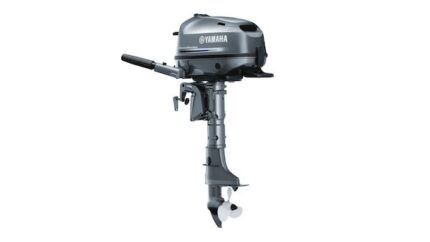
The Yamaha EK40G is the 40HP model in Yamaha’s Enduro Kerosene range. Yamaha lists the EK40G with a 669 cc, two-cylinder, two-stroke engine, carburetor fuel induction, manual starting, tiller-handle control, manual tilt, and a long 571 mm (22.5-inch) transom configuration. Its maximum propeller-shaft output is 29.4 kW (40 PS) at 5,000 rpm.
For buyers comparing a Yamaha 40HP kerosene outboard, the EK40G deserves particular attention because it is purpose-built for kerosene operation. It is not simply a standard petrol outboard that has been adapted by the owner. Yamaha places the model within its dedicated Enduro Kerosene lineup. This distinction is important when you are selecting an engine for regular commercial use.
Shop Yamaha outboards at JP Marine
What Is the Yamaha 40HP 2 Stroke Kerosene Outboard?
The Yamaha 40HP 2 stroke kerosene outboard is an outboard propulsion system designed to provide 40 horsepower from a compact two-stroke engine. The model most closely associated with this specification is the Yamaha EK40G.
Yamaha identifies the EK40G as an in-line two-cylinder engine with 669 cc displacement. It uses a carburetor fuel-induction system and produces 40 PS at 5,000 rpm. The listed dry weight is approximately 68 kg, making it relatively manageable for a 40HP commercial outboard.
The engine uses a tiller handle and manual starter. It also has manual tilt. These features keep the system mechanically straightforward. For operators who value easy servicing over complicated electronics, this can be a major advantage.
Yamaha also explains that two-stroke outboards can offer a lightweight and compact design with strong acceleration and relatively simple maintenance.
Yamaha EK40G 40HP Kerosene Specifications
Before buying a Yamaha EK40G kerosene outboard, check the technical specifications carefully. The engine must match the boat, transom, operating conditions, and intended workload.
Key specifications include:
- Model: Yamaha EK40G
- Engine type: In-line 2-cylinder, 2-stroke
- Displacement: 669 cc
- Maximum output: 29.4 kW / 40 PS
- Maximum output speed: 5,000 rpm
- Fuel induction: Carburetor
- Transom height: Long shaft, 571 mm / 22.5 inches
- Dry weight: About 68 kg
- Starting system: Manual starter
- Control: Tiller handle
- Tilt: Manual
- Lubrication: Pre-mixed fuel and oil
These specifications are based on Yamaha’s published Enduro Kerosene information.
The long-shaft configuration is especially important. A 22.5-inch transom height is suitable for boats designed to accept a long-shaft outboard. Always measure the boat transom before ordering.
View Yamaha products from JP Marine
Why Choose a 40HP Kerosene Outboard?
Fuel availability can influence the right marine engine. In some commercial boating environments, kerosene may be easier or more economical to source than petrol. A dedicated kerosene outboard can therefore provide a useful option for operators who regularly work in areas where fuel logistics are challenging.
The Yamaha 40HP kerosene outboard is also attractive because it combines useful horsepower with a relatively simple engine architecture. Two cylinders and carburetor fuel delivery mean there are fewer complex electronic systems to troubleshoot compared with many modern electronically controlled engines.
For fishermen, transport operators, boat owners, and workboat users, simplicity can be valuable. A marine engine that can be inspected and serviced by a competent technician may reduce downtime.
However, fuel requirements must never be guessed. Use the exact fuel and oil mixture specified for the engine and follow the owner’s manual. Do not assume that a normal petrol Yamaha outboard and a kerosene Yamaha outboard have identical fuel procedures.
Yamaha 40HP 2 Stroke Kerosene Engine for Commercial Boats
Commercial boat operators often prioritize reliability, usable power, serviceability, and operating cost. A 40HP 2 stroke kerosene outboard can be suitable for a range of working boats when the hull and load are correctly matched to the engine.
Potential applications include:
- Fishing boats
- Small commercial transport boats
- River boats
- Utility boats
- Workboats
- Agricultural water transport
- Coastal service boats
- General-purpose fishing vessels
The right application depends on hull design, boat weight, propeller selection, operating environment, and local regulations.
A 40HP engine does not automatically make every boat suitable for 40HP propulsion. Buyers should check the boat manufacturer’s maximum rated horsepower before installation.
Yamaha 40HP Kerosene Outboard Performance
Performance depends on more than horsepower. Boat weight, hull shape, propeller pitch, water conditions, load, trim, and engine height can all affect speed and acceleration.
The EK40G reaches its published maximum propeller-shaft output of 40 PS at 5,000 rpm.
A correctly matched propeller allows the engine to operate within its recommended operating range. An incorrectly selected propeller can reduce acceleration, affect fuel consumption, and prevent the engine from reaching its intended operating speed.
This is why buyers should provide the dealer or marine technician with information about the boat before purchasing a propeller. Useful information includes boat length, hull type, approximate loaded weight, transom height, and normal operating conditions.
Two-Stroke Design and Maintenance
One of the main reasons buyers choose Yamaha Enduro two-stroke outboards is their relatively straightforward mechanical design. Yamaha notes that two-stroke engines have fewer components than comparable four-stroke designs and can be easier to maintain.
That does not mean maintenance should be ignored.
A commercial Yamaha 40HP 2 stroke outboard needs regular inspection. The cooling system, spark plugs, fuel system, propeller, gear oil, control system, and fasteners should be checked according to the manufacturer’s maintenance schedule.
For a kerosene model, correct fuel preparation is especially important. Fuel contamination, incorrect mixture, poor storage, or unsuitable oil can affect engine performance and service life.
Always use marine-grade two-stroke oil that meets the specification required for the model. Follow Yamaha’s official instructions rather than copying a fuel mixture from an unrelated engine.
Yamaha official two-stroke outboard information
Kerosene Fuel and Oil Requirements
Fuel preparation is one of the most important considerations when buying a Yamaha EK40G 40HP kerosene outboard.
Published service information for the EK40G identifies premixed kerosene as a fuel option and specifies a 30:1 premix ratio in the relevant technical documentation. Because specifications can vary by production version, market, and serial number, buyers should confirm the exact fuel and oil procedure in the manual supplied with their engine.
Do not improvise the mixture.
Too much oil can cause excessive smoke and carbon deposits. Too little oil can reduce lubrication and potentially cause serious engine damage. Using the wrong fuel can also create starting and running problems.
Before putting fuel into a new Yamaha kerosene outboard, confirm:
- The correct fuel type.
- The required oil specification.
- The correct mixing ratio.
- The approved oil brand or specification.
- The correct fuel-storage procedure.
This simple checklist can help prevent expensive mistakes.
Yamaha 40HP Kerosene vs Yamaha 40HP Petrol Outboard
Buyers often compare a Yamaha 40HP kerosene outboard with a Yamaha 40HP petrol two-stroke.
The biggest difference is the intended fuel system and application. The EK40G belongs to Yamaha’s dedicated Kerosene Enduro range, while models such as the E40G belong to the standard two-stroke Enduro lineup. Yamaha lists the E40G separately and gives it the same 40 PS maximum output, but it is part of the petrol two-stroke range rather than the kerosene series.
This means buyers should select the model based on the fuel available and the operating requirements of the boat.
Do not purchase a petrol model because it looks similar to a kerosene model. The correct model identification is essential.
Compare Yamaha 2-stroke outboards at JP Marine
Yamaha 40HP Kerosene Outboard Buying Checklist
If you are ready to purchase a Yamaha 40HP 2 stroke kerosene outboard, ask the seller for clear technical information before paying.
Confirm the:
- Exact model number
- Serial number
- Shaft length
- Fuel type
- Starting system
- Control arrangement
- Dry weight
- Included propeller
- Warranty terms
- Owner’s manual
- Spare-parts availability
- Shipping arrangements
- Export documentation where applicable
For a commercial buyer, it is also wise to ask about replacement spark plugs, propellers, fuel-system components, gaskets, water-pump components, and other service parts.
A professional supplier should be able to explain what is included in the purchase and what must be ordered separately.
Long Shaft Yamaha 40HP Kerosene Outboard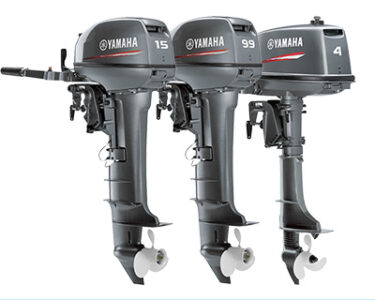
The Yamaha EK40G long shaft specification is one of its important selling points. Yamaha lists the engine transom height at 571 mm, or 22.5 inches.
Long-shaft engines are designed for boats with deeper transoms than short-shaft models. Installing the wrong shaft length can affect propeller immersion, handling, cooling, and overall performance.
Measure the boat carefully before ordering.
If the boat requires a long-shaft engine, selecting a short-shaft version simply because it is cheaper can create installation problems. When in doubt, have a marine technician measure the transom.
Is the Yamaha EK40G Suitable for You?
The Yamaha EK40G 40HP kerosene outboard can be an attractive choice if your operation requires:
- 40HP-class propulsion
- A dedicated kerosene engine
- Two-stroke simplicity
- Tiller-handle operation
- Manual starting
- Long-shaft installation
- Commercial-style Enduro construction
It may be less suitable if your priority is the quietest operation, lowest emissions, or the latest electronic engine technology. Modern four-stroke outboards can offer different benefits, so buyers should compare the total ownership requirements rather than focusing only on purchase price.
Browse Yamaha 4-stroke outboards
Important Environmental and Regulatory Considerations
Two-stroke engines have different emissions characteristics from modern four-stroke engines. Environmental regulations also vary between countries, waterways, and vessel categories.
The U.S. Environmental Protection Agency regulates emissions from marine engines, and requirements can apply to outboards and other marine propulsion systems.
Therefore, international buyers should verify whether the exact engine is permitted for their intended location before importing it. This is especially important when purchasing a model designed primarily for overseas markets.
Do not assume that an engine legally sold in one country automatically meets every requirement in another country.
U.S. EPA marine engine regulations
Maintenance Tips for a Yamaha 40HP Kerosene Outboard
Regular maintenance is essential for reliable marine operation.
After use, inspect the engine for fuel leaks, loose components, unusual noise, damaged wiring, and propeller damage. Keep the cooling-water passages clear and make sure the engine receives proper cooling.
The propeller should also be inspected regularly. Fishing line, rope, nets, and debris can become wrapped around the propeller shaft and damage seals or other components.
Check the gear oil at the intervals specified by Yamaha. Milky or contaminated oil can indicate water intrusion and should be investigated promptly.
For engines used in salt water, corrosion protection is also important. Rinse and maintain the engine according to Yamaha’s instructions.
Buying a Yamaha 40HP 2 Stroke Kerosene Outboard Online
Buying an outboard online can be convenient, but the buyer should verify the product details before making payment.
Start by confirming the exact model. A listing titled “Yamaha 40HP outboard” is not enough. Ask whether the engine is the EK40G kerosene model, the shaft length, fuel system, control type, and starting system.
Also ask whether the engine is new, unused, refurbished, or previously operated.
If you are purchasing for commercial work, request the serial number and documentation. This information can help with identification, servicing, warranty questions, and spare-parts sourcing.
A trustworthy seller should also explain shipping, packaging, payment terms, and after-sales support.
Spare Parts and Accessories
Long-term ownership becomes easier when replacement parts are accessible. Before buying a Yamaha 40HP kerosene outboard, check whether the supplier can support you with service parts and accessories.
Common replacement items may include:
- Spark plugs
- Propellers
- Gear oil
- Gaskets
- Fuel-system components
- Water-pump service parts
- Cables and controls
- Engine covers
- Fasteners
- Seals
JP Marine Yamaha parts and products
If a Yamaha-specific component is unavailable, ask the supplier to confirm compatibility by model and serial number. Never rely only on appearance when ordering marine-engine parts.
Yamaha 40HP Kerosene Outboard for Fishing
For fishing operations, the right engine must provide dependable thrust while carrying the boat, crew, fuel, fishing equipment, and catch.
A 40HP outboard can be a useful power level for appropriately sized fishing boats. The Yamaha Enduro concept is particularly relevant to commercial users who value durability and straightforward maintenance.
However, fishing conditions can be demanding. Heavy loads, shallow water, salt water, floating debris, long operating hours, and frequent starts can all increase engine wear.
This makes preventive maintenance even more important.
Operators should keep a maintenance record showing service dates, parts replaced, oil used, and any unusual engine symptoms. A simple record can help identify problems before they become major failures.
Why Buy from a Specialist Marine Supplier?
A specialist marine supplier can provide more than the engine itself. Buyers may also need propellers, controls, spare parts, technical assistance, packaging, and shipping support.
Working with a supplier familiar with Yamaha outboards can make it easier to confirm model specifications and installation requirements.
Before ordering your Yamaha 40HP 2 stroke kerosene outboard, provide the supplier with your boat details and explain how the engine will be used. This allows the seller to confirm whether the model and shaft length are appropriate.
JP Marine outboard selection and shop
Yamaha 40HP Kerosene Outboard
The Yamaha 40HP 2 stroke kerosene outboard is a specialized marine engine for buyers who need 40HP-class power with a dedicated kerosene fuel configuration. The Yamaha EK40G combines a 669 cc two-cylinder engine, carburetor induction, manual starting, tiller control, manual tilt, and a long-shaft transom configuration. Yamaha rates its maximum output at 40 PS at 5,000 rpm.
For commercial fishing, utility boats, transport vessels, and other demanding applications, these characteristics can make the EK40G worth considering.
The most important step is choosing the correct configuration. Confirm the fuel type, shaft length, boat horsepower rating, propeller requirements, documentation, warranty, and local regulations before buying.
Do not choose an outboard based on price alone. The correct engine should match your boat, operating environment, fuel supply, workload, and maintenance capability.
For buyers comparing Yamaha models, JP Marine also offers access to Yamaha and other marine-engine categories.