New Yamaha EK40G Nigeria
New Yamaha EK40G Nigeria: 40HP 2-Stroke Kerosene Outboard Motor for Sale
If you are looking for a New Yamaha EK40G Nigeria buyers can trust for demanding marine work, the Yamaha EK40G is a model worth considering. It is a 40HP Enduro kerosene outboard designed for commercial fishing, passenger transport, and other applications where an outboard may face long working hours. Yamaha places its Enduro range around durability, reliability, and straightforward operation in demanding environments.
The Yamaha EK40G 40HP kerosene outboard combines a two-stroke, two-cylinder engine with a carburettor fuel system, tiller-handle controls, manual starting, and manual tilt. The official Yamaha specification lists a 669cc displacement, 40 PS maximum propeller-shaft output at 5,000 rpm, and a long-shaft transom height of 571 mm, or 22.5 inches.
For Nigerian buyers, the appeal is clear. A new Yamaha EK40G can be considered by commercial operators who need a practical 40HP outboard for fishing boats, workboats, transport boats, and similar vessels. However, buyers should confirm the exact fuel specification, shaft length, included accessories, warranty, documentation, and current availability before paying for an engine because Yamaha states that model lineups can differ by country or region.
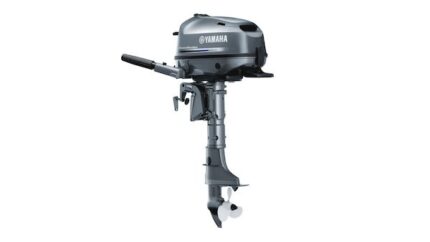
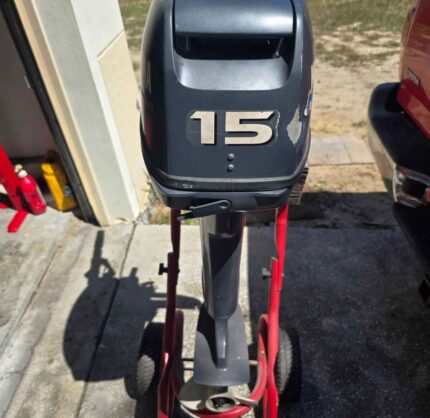
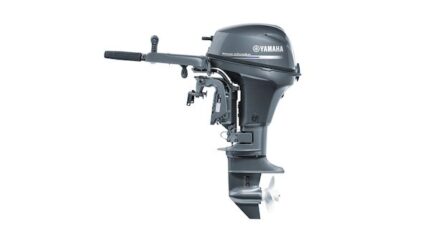
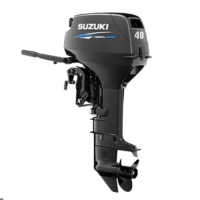
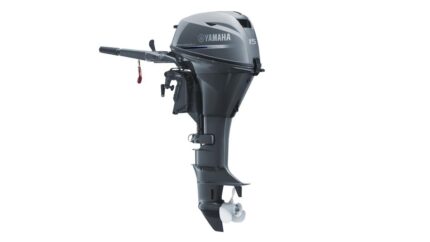
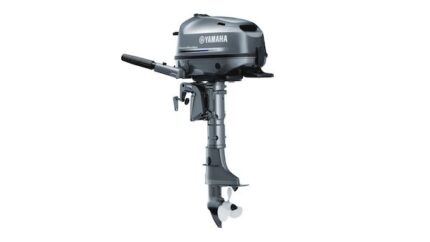
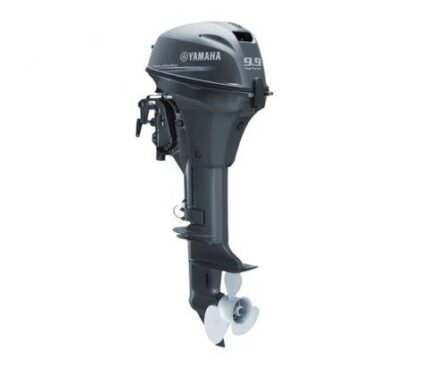
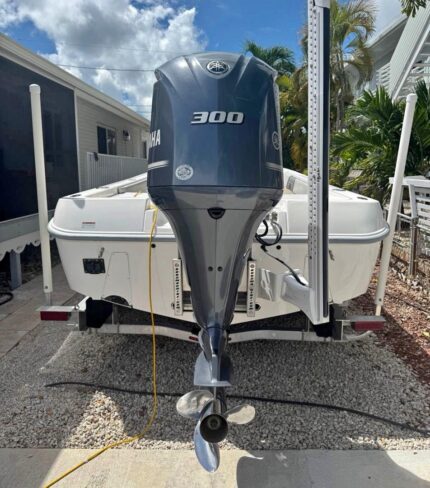
<u><a href=”https://jpmarineinc.com/shop”>Shop Yamaha Outboard Motors</a></u>
What Is the New Yamaha EK40G?
The Yamaha EK40G is part of Yamaha’s Enduro kerosene outboard range. Unlike a standard recreational outboard designed mainly around leisure boating, the Enduro family was developed with commercial fishing and transport applications in mind. Yamaha describes these engines as suitable for harsh conditions and long periods of continuous operation.
The EK40G uses an in-line two-cylinder, two-stroke engine. Its official displacement is 669cc. Maximum propeller-shaft output is 29.4 kW, equivalent to 40 PS, at 5,000 rpm. The fuel induction system is a carburettor, while lubrication uses pre-mixed fuel and oil.
This simple mechanical layout can be attractive to commercial users who value straightforward servicing. Yamaha also highlights the relatively simple construction of its two-stroke outboards and their lightweight, compact nature.
For customers comparing options, you can browse the Yamaha outboard collection or explore the Yamaha 2-stroke outboard range before choosing the right engine for your boat.
Yamaha EK40G Specifications
Understanding the technical specification is important before ordering a new Yamaha EK40G in Nigeria. The official Yamaha specification provides the following key information:
- Model: Yamaha EK40G
- Power: 40 PS / approximately 40HP class
- Engine type: In-line 2-cylinder, two-stroke
- Displacement: 669cc
- Bore x stroke: 78.0 x 70.0mm
- Fuel induction: Carburettor
- Maximum output: 29.4 kW (40 PS) at 5,000 rpm
- Transom height: 571mm / 22.5 inches, long shaft
- Dry weight: 68kg with propeller
- Starting system: Manual starter
- Controls: Tiller handle
- Tilt: Manual tilt
- Lubrication: Pre-mixed fuel and oil
These figures come directly from Yamaha’s current global kerosene-series information. Yamaha also notes that specifications and model availability can change without notice.
Before purchasing, compare these specifications with your boat’s transom height and intended operating conditions. Shaft length is particularly important. A motor that does not match the boat’s transom correctly may not deliver the expected performance.
Why Buy a New Yamaha EK40G in Nigeria?
Buying a new engine provides several advantages over purchasing an unknown used motor. A new Yamaha EK40G 40HP can give buyers greater confidence that the engine has not already experienced years of commercial operation, improper maintenance, corrosion, or internal wear.
For businesses that depend on their boat every day, reliability can have a direct effect on income. A fishing operator, passenger-boat operator, or marine transport business cannot afford unnecessary downtime. The Enduro concept is specifically associated with demanding commercial use and long operating periods.
Another advantage is that the buyer can establish a maintenance history from the beginning. Keep the purchase documents, engine identification information, service records, and maintenance receipts. This can make future servicing easier and can help establish the engine’s history if it is later sold.
You can also compare related products through the JP Marine shop when looking for alternative Yamaha marine engines, accessories, or related equipment.
Yamaha EK40G for Commercial Fishing
Commercial fishing is one of the strongest use cases for an Enduro-style outboard. Fishing boats may operate frequently, carry equipment, travel significant distances, and work in environments where dependable propulsion is essential.
A Yamaha EK40G Nigeria buyer should first ensure that the boat is properly matched to a 40HP engine. Boat size, hull design, passenger load, cargo weight, propeller selection, water conditions, and operating practices all influence performance.
The EK40G’s tiller-handle configuration is also worth considering. It provides direct control from the engine, which can be useful for boats designed around tiller steering. Buyers who require remote controls should not assume that the EK40G can simply be configured like another Yamaha model. Confirm the exact configuration before ordering.
For additional Yamaha choices, visit the Yamaha product category.
Yamaha EK40G for Transport Boats
Nigeria has many waterways where boats support passenger movement, cargo transport, fishing, and local commercial activities. A suitable 40HP outboard can provide useful propulsion for appropriately sized boats.
The new Yamaha EK40G outboard motor may appeal to operators who prefer a simple two-stroke design and a commercial-oriented engine. Yamaha states that its Enduro engines were developed primarily for commercial fishing and passenger vessels and for harsh environments requiring long periods of operation.
Still, engine selection should always begin with the boat. Do not select an outboard only because it has a desirable horsepower rating. Check the boat manufacturer’s recommended horsepower range, maximum engine weight, transom dimensions, and loading requirements.
If your vessel requires a four-stroke instead, compare the available Yamaha 4-stroke outboards before making a final decision.
Kerosene Fuel and the EK40G
One of the most important differences between the EK40G and conventional gasoline outboards is its fuel specification. Yamaha lists the EK40G within its dedicated Kerosene Series and identifies it as a carburetted, two-stroke engine using pre-mixed fuel and oil.
Buyers should therefore avoid assuming that the EK40G follows the fuel procedure of a different Yamaha outboard. Always follow the specific owner’s manual and the supplier’s instructions for fuel preparation, oil selection, starting, storage, and maintenance.
Yamaha provides a library of owner’s manuals and documents by region.
This is especially important when buying a new engine for commercial use. Correct fuel preparation and correct lubrication are essential parts of responsible two-stroke operation.
New Yamaha EK40G vs Other Yamaha Outboards
The Yamaha range includes four-stroke, two-stroke, Enduro, VMAX, and other outboard categories.
The EK40G should therefore be selected according to the application rather than simply because it carries the Yamaha name.
A standard four-stroke may be attractive to buyers who prioritise different operating characteristics, while a conventional two-stroke may be better suited to another application. Yamaha’s Enduro family is specifically positioned around commercial use and demanding environments.
If you are considering an Evinrude alternative or related marine products, you can also visit the Evinrude category at JP Marine.
What Nigerian Buyers Should Check Before Ordering
Anyone searching for a Yamaha EK40G for sale in Nigeria should check several details before making payment.
First, confirm that the engine is genuinely new and unused. Ask for clear photographs of the engine, identification plate, packaging, and included equipment.
Second, confirm the exact model designation. The Yamaha Enduro range contains several 40HP-class engines, and the EK40G should not be confused with the gasoline E40G. Yamaha’s official specifications show that the EK40G belongs to the kerosene series, while the E40G is listed separately in the 75–40 PS Enduro models.
Third, confirm the shaft specification. The official EK40G specification lists a 571mm, 22.5-inch long shaft.
Fourth, ask about warranty coverage, delivery, documentation, and available spare parts. A professional supplier should be able to explain the purchasing process clearly.
Finally, confirm the intended fuel and oil procedure before operating the engine.
Maintenance of a Yamaha EK40G
Regular maintenance is essential for any commercial outboard. A new engine should be serviced according to the manufacturer’s maintenance schedule and owner’s manual.
Basic maintenance areas include the cooling system, spark plugs, fuel system, propeller, gearcase, fasteners, controls, and lubrication system. The engine should also be inspected after demanding operations and stored correctly when it will not be used for an extended period.
Because the EK40G uses pre-mixed fuel and oil, owners should pay particular attention to using the correct oil and following the correct mixing instructions. Do not guess the fuel-to-oil ratio. Follow the model-specific Yamaha documentation.
Yamaha’s global outboard resources also provide access to manuals and product information.
Choosing the Correct Propeller
The propeller affects acceleration, cruising performance, engine loading, and overall operation. Yamaha notes that propellers are sold separately for some outboard models, so buyers should confirm exactly what is included in their package.
The correct propeller depends on the boat and operating conditions. A commercial fishing boat carrying a heavy load may require a different propeller setup from a lightly loaded transport boat.
Do not select a propeller solely because it physically fits the engine. Ask a qualified marine professional to help match the propeller to the engine, hull, load, and intended operating range.
Why Genuine Documentation Matters
When buying a new Yamaha EK40G Nigeria, documentation should be part of the purchasing decision. A serious buyer should want clear model information, serial or identification details, manuals, warranty information where applicable, and a purchase invoice.
Yamaha’s official overseas sales network lists CFAO Yamaha Motor Nigeria Ltd. as its Yamaha Motor Group company contact for Nigeria.
This provides an additional reference point when verifying product information or identifying the appropriate regional channel.
For general Yamaha marine information, buyers can also review the official Yamaha outboard product information. Yamaha explains that its outboards are used for recreational, fishing, and transport applications worldwide.
Buying a New Yamaha EK40G Online
Online purchasing can make it easier to compare marine engines, specifications, prices, and delivery options. However, buyers should avoid sending payment based only on a product photograph.
A professional purchasing process should clearly explain:
- Engine model and specification
- New or used condition
- Shaft length
- Fuel specification
- Included accessories
- Warranty terms
- Delivery arrangements
- Payment terms
- Documentation
- Availability of spare parts
- Expected delivery time
Buyers should also compare the seller’s information with Yamaha’s official specifications. This helps reduce the risk of ordering the wrong model.
For buyers searching for Yamaha EK40G price Nigeria, remember that the final price can vary based on shipping, taxes, exchange rates, supplier costs, accessories, warranty arrangements, and delivery location. It is better to request a current quotation than rely on an old online price.
Is the Yamaha EK40G Right for Your Boat?
The answer depends on your application. The EK40G can be a strong candidate when you need a 40HP-class, two-stroke kerosene outboard with a straightforward tiller configuration and long-shaft specification.
It may be suitable for appropriately matched commercial fishing boats, transport boats, and other workboats. Yamaha’s own Enduro information positions the range for demanding commercial applications.
However, it may not be the best choice for every boat. If your vessel requires a different shaft length, remote controls, electric starting, four-stroke operation, or another fuel system, compare alternative Yamaha models before ordering.
Yamaha EK40G Nigeria
The New Yamaha EK40G Nigeria is a 40HP-class Enduro kerosene outboard with a 669cc two-cylinder, two-stroke engine. Its official specification includes a carburettor fuel system, manual starting, tiller controls, manual tilt, pre-mixed fuel and oil lubrication, and a 571mm long-shaft configuration.
Its commercial-oriented Enduro design makes it particularly relevant to buyers looking for a practical marine engine for demanding fishing and transport applications. Yamaha describes the Enduro family as being designed for harsh conditions and long periods of continuous operation.
If you are ready to purchase, compare the engine specification with your boat, confirm the exact EK40G model, verify shaft length, ask for current availability and pricing, and confirm warranty and delivery terms before placing an order.
You can also explore JP Marine for marine engine options and browse the JP Marine shop for available products. Buyers looking specifically for two-stroke models can use the Yamaha 2-stroke category.
Helpful External Resources
For authoritative product information, buyers can review Yamaha’s global Kerosene Series specifications, Yamaha’s Enduro range, Yamaha’s two-stroke information, Yamaha’s overseas sales network, and Yamaha’s manuals and documents library. These sources are useful for checking model information, regional contacts, technical specifications, and operating documentation.