Yamaha E30H 2 Stroke Outboard Nigeria
Yamaha E30H 2 Stroke Outboard Nigeria
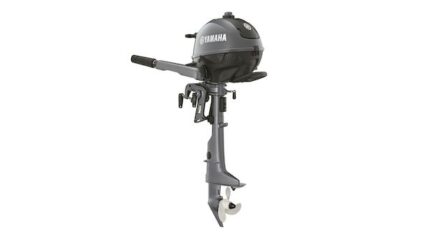
If you are searching for a dependable Yamaha E30H 2 stroke outboard Nigeria buyers can use for fishing, transport, commercial boating, or general marine work, the Yamaha E30H is a model worth considering. This 30-horsepower two-stroke outboard combines a relatively simple engine design with useful power, a practical weight, and the straightforward operation many working boat owners prefer.
The Yamaha E30H 30HP 2 stroke outboard is part of Yamaha’s Enduro range. Yamaha lists the E30H with an inline two-cylinder engine, 496 cc displacement, carburetor fuel induction, manual starting, tiller-handle controls, manual tilt, and pre-mixed fuel and oil lubrication. Depending on the version, Yamaha lists short and long transom configurations.
For Nigerian buyers, choosing the correct engine is not only about horsepower. You should also consider boat size, hull design, passenger and cargo weight, operating conditions, shaft length, propeller selection, fuel availability, service support, and the type of water where the boat will operate. The goal is to buy a motor that matches the boat and the work it must perform.
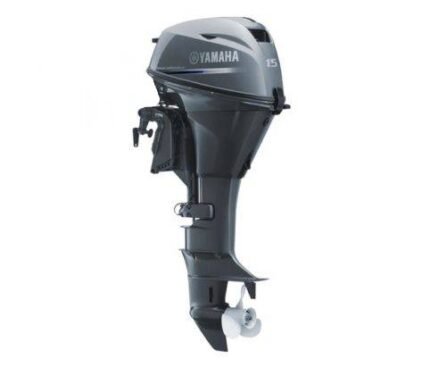
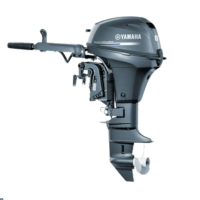
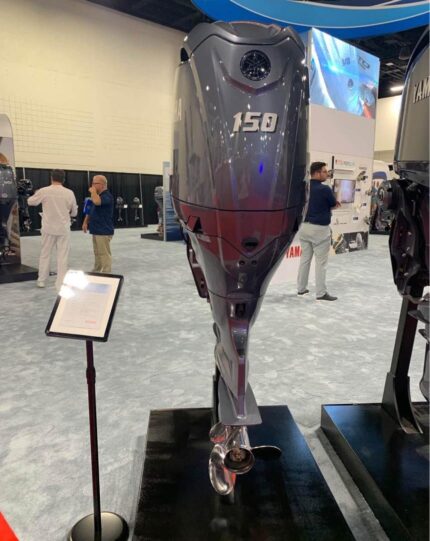
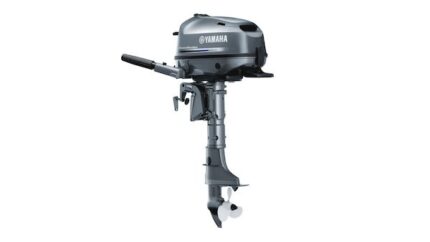
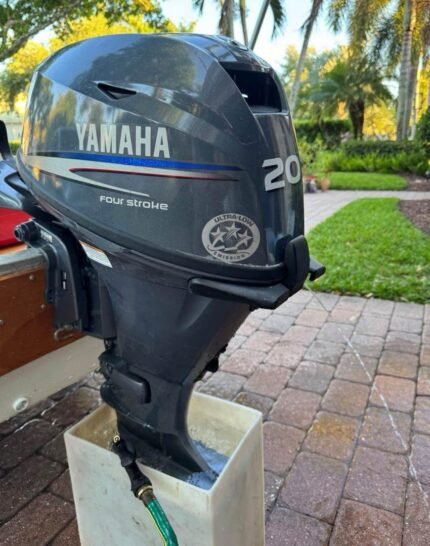
<u>Shop Yamaha Outboard Motors</u>
What Is the Yamaha E30H 2 Stroke Outboard?
The Yamaha E30H is a 30 HP two-stroke outboard designed for practical marine propulsion. Its two-cylinder configuration and 496 cc displacement provide a useful balance between power and manageable engine weight.
Yamaha’s published specifications show maximum prop-shaft output of 22.1 kW, or 30 PS, at 5,000 rpm. The engine uses a carburetor fuel system and a pre-mixed fuel-and-oil lubrication system. Yamaha also lists manual starting and tiller-handle control for the Enduro E30H.
Yamaha describes its two-stroke outboards as lightweight and compact while highlighting their power delivery and relatively simple construction. That simplicity can be attractive to commercial operators who want an engine that is practical to inspect and service.
If you want to explore additional Yamaha products before buying, visit the [JP Marine homepage] or browse the [JP Marine shop]. These pages can help buyers compare available marine products and identify an engine that fits their application.
Yamaha E30H Specifications
Understanding the specifications is important before you buy a Yamaha E30H 30HP outboard motor in Nigeria.
Key published specifications include:
- Model: Yamaha E30H
- Engine type: Inline 2-cylinder, 2-stroke
- Displacement: 496 cc
- Bore × stroke: 72.0 × 61.0 mm
- Maximum prop-shaft output: 22.1 kW / 30 PS
- Maximum output speed: 5,000 rpm
- Fuel induction: Carburetor
- Starting: Manual starter on the Enduro E30H specification
- Control: Tiller handle
- Tilt: Manual
- Lubrication: Pre-mixed fuel and oil
- Transom height: S 423 mm and L 550 mm
- Dry weight: approximately 53–55 kg for the E30H Enduro specification shown by Yamaha.
Specifications can vary by market, model version, and equipment package. Yamaha also notes that model availability and specifications can differ between countries and can change without notice. Always confirm the exact specification, shaft length, starting system, and equipment included with the seller before payment.
For more Yamaha options, you can also view the [Yamaha outboard category at JP Marine].
Why Nigerian Buyers Consider a 30HP Two-Stroke
The appeal of a Yamaha 30HP 2 stroke outboard Nigeria purchase comes from the combination of power and simplicity.
A 30 HP motor can be suitable for appropriately rated fishing boats, utility boats, small passenger boats, workboats, and other vessels that do not require the power of a larger outboard. The exact suitability depends on the boat manufacturer’s maximum horsepower rating.
Two-stroke engines are also known for a comparatively simple mechanical layout. Yamaha explains that the simpler design of two-stroke engines can contribute to easier maintenance and lower engine weight. Yamaha specifically notes that its Enduro outboards have been developed for demanding working environments, including coastal fisheries in Africa and other regions.
That does not mean every boat should use a 30 HP engine. An oversized or undersized engine can create performance and safety problems. Always check the boat’s capacity plate and manufacturer recommendations before buying.
Yamaha E30H for Fishing in Nigeria
Fishing remains one of the most important applications for outboard-powered boats across Nigeria. A reliable engine can reduce downtime and help operators reach fishing areas, return with catches, and move between landing points.
The Yamaha E30H can be considered where a boat is appropriately rated for approximately 30 HP. Its two-cylinder configuration gives it useful propulsion for many small and medium utility applications.
For fishing operators, however, engine selection should be based on more than horsepower. Consider:
- Typical passenger load
- Fishing equipment
- Fuel tank weight
- Boat hull design
- Water conditions
- Average travel distance
- Desired cruising speed
- Shaft length
- Propeller pitch
- Availability of service and spare parts
A boat that performs well when lightly loaded may behave differently when carrying several people, fuel, fishing equipment, and a full catch.
Choosing Between Short Shaft and Long Shaft
One of the most important decisions when buying a Yamaha E30H Enduro Nigeria is shaft length.
Yamaha publishes a short transom height of about 423 mm and a long transom height of about 550 mm for the E30H Enduro specification.
The correct shaft should match the boat’s transom. A shaft that is too short can place the propeller too high in the water. A shaft that is too long can position the lower unit deeper than intended.
Before ordering, measure the boat carefully and compare the measurement with the engine manufacturer’s specification. Do not choose a long-shaft Yamaha E30H simply because you believe a longer shaft automatically gives better performance.
If your boat requires a long-shaft configuration, confirm the exact Yamaha E30H long shaft Nigeria specification with the supplier before placing the order.
Fuel and Oil Requirements
The Yamaha E30H uses a pre-mixed fuel and oil lubrication system, according to Yamaha’s published specification.
This is a key difference between a conventional two-stroke engine and many modern four-stroke outboards. The owner must use the correct fuel-and-oil mixture specified in the engine’s owner’s manual.
Do not guess the oil ratio.
Do not assume that a mixture used for another two-stroke engine is automatically correct for the E30H.
Always follow the Yamaha manual and the instructions for the exact model and production version you own.
Using the correct marine two-stroke oil and correct mixture helps protect the engine and supports dependable operation. Yamaha’s technical information also explains the relationship between two-stroke design, oil mixing, lubrication, and simplified engine construction.
Maintenance of a Yamaha E30H in Nigeria
Routine maintenance is one of the best ways to protect your investment.
A working outboard can face heat, humidity, dust, fuel contamination, saltwater, freshwater, vibration, and long operating periods. These conditions make regular inspection important.
Important maintenance areas include:
1. Spark plugs
Inspect spark plugs according to the Yamaha service schedule. Fouling, incorrect gaps, or worn plugs can affect starting and combustion.
2. Fuel system
Keep the fuel system clean. Check fuel lines, connections, the carburetor, and the fuel tank for contamination or deterioration.
3. Cooling system
Make sure cooling water flows correctly. A restricted cooling system can cause overheating.
4. Propeller
Inspect the propeller for dents, cracks, fishing line, and other damage. A damaged propeller can reduce performance and place unnecessary stress on the drivetrain.
5. Gearcase
Check the lower unit and gear lubricant according to the manufacturer’s service requirements. Water intrusion can cause serious internal damage.
6. Corrosion protection
If the engine operates in saltwater, rinse and flush it correctly after use. Inspect exposed metal components and corrosion-protection parts.
General marine maintenance guidance also emphasizes regular inspection of the propeller, gearcase, cooling system, fuel system, and other wear components.
For additional marine engine choices, visit the [JP Marine Yamaha 2-stroke outboard category].
Yamaha E30H 2 Stroke vs 4 Stroke
Buyers often ask whether they should choose a Yamaha E30H 2 stroke or a Yamaha four-stroke outboard.
The answer depends on the application.
A two-stroke can appeal to buyers who prioritize a relatively simple engine design, manageable weight, direct throttle response, and straightforward servicing. A four-stroke may appeal to buyers who prioritize a different operating experience, fuel characteristics, emissions performance, and modern four-stroke technology.
There is no universal answer.
Compare the complete cost of ownership, including fuel, servicing, spare parts, purchase price, weight, boat compatibility, and expected operating hours.
You can compare available four-stroke options through the [JP Marine Yamaha 4-stroke outboard category].
Is the Yamaha E30H Good for Commercial Boat Operators?
For a properly matched boat, the Yamaha E30H can be an attractive option for commercial and utility use.
A commercial operator should focus on uptime. A motor that is easy to inspect and maintain can be valuable when the boat is part of a working business.
Possible applications include:
- Fishing boats
- Small passenger transport
- River transport
- Utility boats
- Farm and aquaculture boats
- Patrol and support boats
- Workboats
- Coastal transport
- General recreational boating
However, the correct horsepower must always be confirmed against the boat’s rated capacity.
For buyers comparing different engine brands or propulsion systems, [Discover Boating’s boat engine buying guide] explains why horsepower, engine weight, and propeller selection matter when matching an engine to a boat.
Buying Yamaha E30H 30HP in Nigeria
When you are ready to buy Yamaha E30H 30HP 2 stroke Nigeria, avoid making the decision based on price alone.
Ask the seller for:
- Exact model number
- Shaft length
- Engine condition
- Starting system
- Included propeller
- Included accessories
- Warranty information
- Serial number
- Availability of spare parts
- Shipping arrangements
- Delivery time
- Payment terms
- Installation support, if available
If the engine is advertised as new, verify what “new” means. If it is used, request service history and inspect the engine before purchase whenever possible.
Buyers should also confirm whether the engine is intended for the Nigerian market or is an imported model. Yamaha states that model lineups, colors, graphics, and specifications can vary by country or region.
You can visit the [JP Marine online shop] to review available marine products and contact the supplier for current availability.
Registration and Compliance in Nigeria
Buying the engine is only part of preparing a boat for operation.
Nigerian boat owners should check the applicable registration, licensing, inspection, and navigation requirements for their vessel and operating area. The National Inland Waterways Authority (NIWA) provides regulatory services covering vessel registration and licensing, navigation regulations, inspections, and related inland-waterway requirements.
NIWA’s electronic registration system also provides online processes for vessel registration, inspection scheduling, permits, payments, and certificate follow-up.
Before operating commercially, confirm the latest requirements directly with the relevant Nigerian authority.
How to Protect Your Yamaha E30H Investment
A good maintenance routine can make a major difference to engine reliability.
After operating in saltwater, flush the cooling system with fresh water when appropriate. Inspect the propeller and lower unit. Keep fuel clean and use the lubricant specified by Yamaha.
Do not run the engine without an adequate cooling-water supply. Always follow the owner’s manual for starting, flushing, storage, servicing, and fuel procedures.
For general maintenance guidance, [West Marine’s outboard maintenance guide] recommends regular service attention to items such as the gearcase, spark plugs, cooling system, propeller, fuel system, and corrosion protection.
For Yamaha-specific technical information, you can also review [Yamaha’s official two-stroke outboard information].
Why Buy From a Marine Specialist?
Buying a Yamaha E30H 30HP outboard motor Nigeria requires more than finding a product photograph online.
A marine specialist can help you identify the correct model, shaft length, propeller, accessories, and application. This is particularly important when buying an outboard for commercial fishing or passenger operations.
Before sending payment, ask for a formal quotation that clearly identifies the engine model, condition, specifications, accessories, shipping terms, warranty, and delivery arrangements.
You can explore [JP Marine] for marine products, visit the [JP Marine shop], or browse its [Yamaha product category]. For buyers interested in alternatives, the [JP Marine Evinrude section] provides another marine-engine category to review.
Yamaha E30H Buyer Checklist
Before purchasing, confirm these points:
- Is your boat rated for 30 HP?
- Do you need a short or long shaft?
- Is the engine new or used?
- Is the exact E30H model confirmed?
- Is the propeller included?
- Are spare parts available?
- Is the fuel-and-oil mixture clearly understood?
- Is there a warranty?
- Are shipping costs included?
- Is delivery to your Nigerian location available?
- Are registration and operating requirements understood?
- Does the seller provide a proper invoice or quotation?
These questions can help reduce costly mistakes.
Yamaha E30H 2 Stroke Outboard Nigeria
The Yamaha E30H 2 stroke outboard Nigeria remains an interesting option for buyers who want 30 HP propulsion in a relatively compact two-stroke package. Yamaha’s published specifications identify a 496 cc inline two-cylinder engine, 30 PS maximum prop-shaft output, carburetor fuel induction, manual controls, manual tilt, and pre-mixed fuel and oil lubrication.
Its practical design can make it suitable for fishing, utility boating, transport, and other applications when correctly matched with the boat.
The most important buying decision is not simply choosing a 30 HP engine. It is choosing the right 30 HP engine, shaft length, propeller, equipment package, and supplier for your exact boat and operating conditions.
If you are ready to compare availability and marine products, visit [JP Marine] or the [JP Marine shop]. You can also explore its [Yamaha 2-stroke outboard collection] and [Yamaha 4-stroke outboard collection] before making your final decision.