Yamaha E40G Outboard Dealer Nigeria
Yamaha E40G Outboard Dealer Nigeria: A Practical Guide for Serious Buyers
If you are searching for a Yamaha E40G outboard dealer in Nigeria, you are probably looking for more than an engine. You need a reliable 40HP outboard motor that can handle demanding boating work, provide dependable propulsion, and remain practical to maintain. The Yamaha E40G is part of Yamaha’s Enduro range. Yamaha lists the E40G as a 40-horsepower, two-cylinder, two-stroke outboard with a carburetor, tiller-handle control, manual tilt, and premixed fuel-and-oil lubrication.
The right dealer can make your purchase much easier. A professional supplier should help you confirm the exact model, shaft length, starting system, propeller requirements, documentation, shipping arrangements, spare parts, and after-sales support before you pay. Buyers searching for Yamaha E40G Nigeria, Yamaha E40G dealer Nigeria, Yamaha 40HP Enduro Nigeria, or Yamaha E40G for sale in Nigeria should therefore compare the complete buying package rather than focusing only on the advertised engine price.
For buyers ready to purchase, you can explore available marine products through JP Marine, visit the JP Marine shop, or review the Yamaha product category to compare Yamaha options before requesting a quotation.
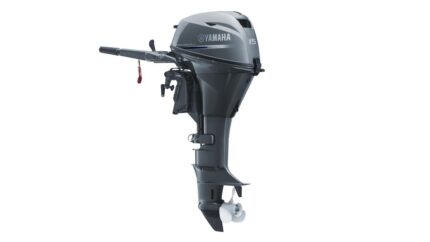
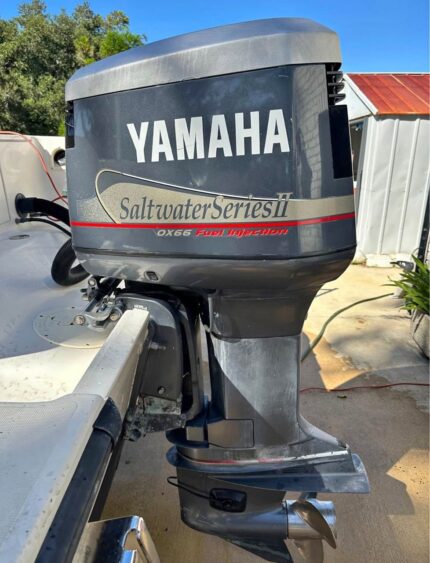
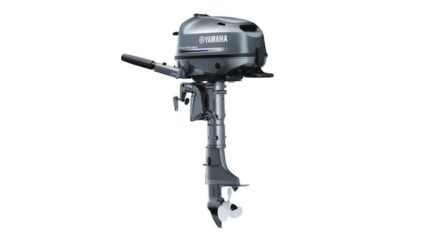
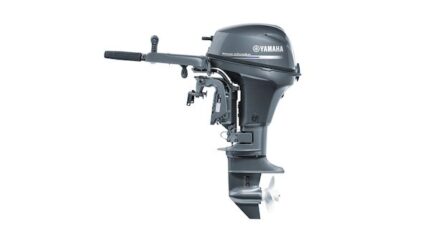
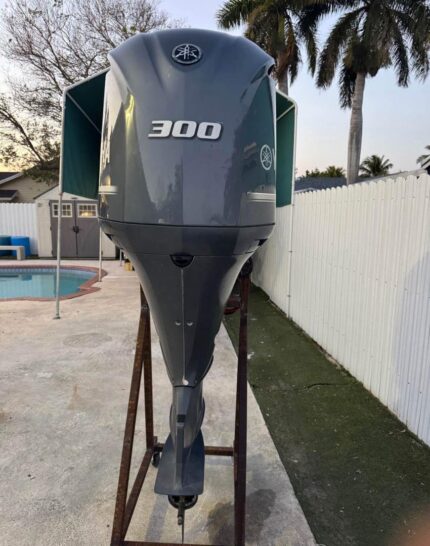
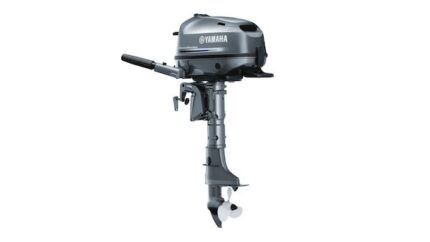
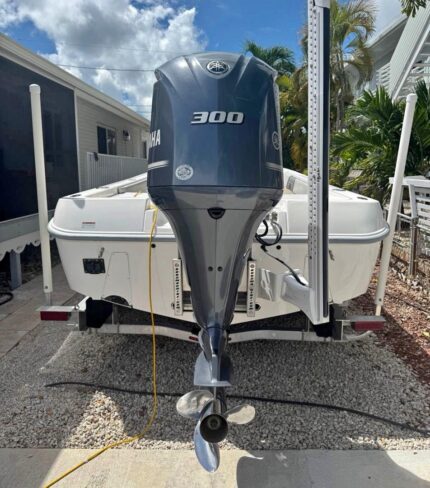
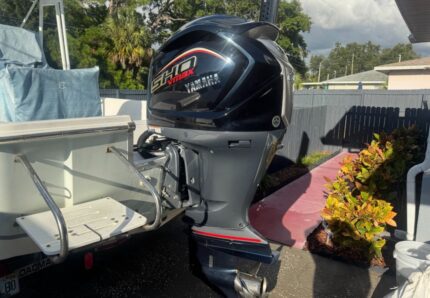
<u>Shop Yamaha Outboard Motors</u>
Why Choose the Yamaha E40G for Nigeria?
The Yamaha E40G is designed for buyers who want a straightforward and robust outboard configuration. Yamaha’s published specifications show an inline two-cylinder engine with a 669cc displacement and a rated prop-shaft output of 29.4 kW (40 PS) at 5,000 rpm. The engine uses carburetion and a premixed fuel-and-oil lubrication system.
For commercial operators, fishing businesses, transport operators, boat owners, and users of workboats, a simple mechanical design can be attractive. The E40G does not depend on the complex electronic systems found on many modern four-stroke engines. That can be useful in areas where straightforward mechanical servicing is preferred.
The Yamaha E40G is also relatively compact for its power class. Yamaha lists its dry weight at approximately 65–71 kg, depending on configuration. The available transom options include short and long shaft versions, with Yamaha listing S and L configurations for the E40G.
However, shaft length is critical. Do not order an outboard simply because the engine is rated at 40HP. The motor must match the boat’s transom height. A wrong shaft configuration can affect handling, propeller immersion, performance, and cooling-water flow.
Yamaha E40G Specifications at a Glance
Before contacting a Yamaha E40G outboard dealer in Nigeria, review the basic specifications:
- Model: Yamaha E40G
- Power: 40 HP / 40 PS
- Engine type: Inline two-cylinder
- Displacement: 669cc
- Bore: 78.0mm
- Stroke: 70.0mm
- Maximum rated output: 29.4kW at 5,000 rpm
- Fuel system: Carburetor
- Starting system: Manual starter or manual and electric starter, depending on model configuration
- Control: Tiller handle
- Tilt: Manual
- Lubrication: Premixed fuel and oil
- Shaft options: Short and long shaft
- Dry weight: Approximately 65–71kg, depending on configuration
These figures come from Yamaha’s published Enduro specifications. Yamaha also notes that model availability, specifications, colours, and graphics can vary by market.
This is important when buying in Nigeria. Ask the dealer for the exact model code and configuration being offered. Do not rely only on photographs or a generic “Yamaha 40HP” description.
What Makes a Good Yamaha E40G Dealer in Nigeria?
A good Yamaha E40G dealer Nigeria should provide clear information before requesting payment. Buyers should ask for a written quotation that identifies the engine model, configuration, shaft length, included accessories, price, delivery terms, and warranty conditions.
A trustworthy supplier should also answer technical questions. For example, the dealer should be able to explain whether the advertised E40G is short shaft or long shaft. They should also clarify whether the propeller is included.
Yamaha’s official specifications state that propellers are sold separately for some outboard models.
A professional dealer should therefore confirm what is included in the quotation.
Look for these qualities:
- Clear product identification.
- Transparent pricing.
- Written quotation.
- Genuine product documentation.
- Clear shipping arrangements.
- Spare-parts availability.
- Technical assistance.
- Maintenance guidance.
- Warranty information where applicable.
- Secure payment procedures.
You can also browse Yamaha 2-stroke outboards if you want to compare the E40G with other two-stroke Yamaha models.
Why Buyers Should Consider a 40HP Enduro Outboard
The Yamaha 40HP Enduro outboard is especially relevant to buyers who operate boats in demanding conditions. Fishing boats, utility boats, transport boats, patrol craft, and other working vessels may require an engine that is simple to operate and practical to maintain.
The E40G’s tiller-handle design is also useful for suitable boats where direct steering from the engine is preferred. The manual tilt system keeps the configuration simple.
That said, suitability depends on the boat. A 40HP engine should never be installed on a vessel that is not rated for that power. The boat manufacturer’s maximum horsepower recommendation should always be checked before purchase.
ISO 11592-1 addresses determination of maximum propulsion power ratings for certain small craft under 8 metres, highlighting why engine selection should be matched to the vessel rather than based only on engine horsepower.
Yamaha E40G Short Shaft or Long Shaft?
One of the most important decisions when buying a Yamaha E40G outboard motor in Nigeria is shaft length.
Yamaha lists the E40G with short and long shaft configurations. The published transom heights are approximately 444mm for the short-shaft version and 571mm for the long-shaft version, depending on configuration.
The correct shaft is determined by the boat’s transom.
A short-shaft engine may suit boats with lower transoms. A long-shaft engine is designed for higher transoms. Your dealer should help you confirm this measurement before the order is finalized.
If you are uncertain, provide the dealer with your boat model, transom measurement, photographs, and current engine details. This can reduce the risk of ordering the wrong configuration.
Buying a Yamaha E40G for Fishing in Nigeria
Fishing remains one of the key applications for outboard-powered boats in Nigeria. A dependable propulsion system can help operators move between fishing grounds, return to shore, and transport equipment.
For fishing applications, buyers should consider more than engine horsepower. Boat weight, hull design, passenger load, fuel load, water conditions, propeller selection, and operating habits all influence performance.
The E40G’s 40HP rating can provide a strong power option for appropriately sized boats. However, actual speed and fuel consumption will vary with the boat and operating conditions.
If the engine will be used in saltwater, maintenance deserves particular attention. Salt, moisture, sand, and corrosion can affect marine equipment. Yamaha recommends regular cleaning and maintenance and advises owners to follow the relevant owner’s manual.
You can also review Yamaha 4-stroke outboards if your priority is comparing the E40G with four-stroke alternatives.
Yamaha E40G for Commercial Boat Operators
Commercial users often need an engine that can withstand frequent operation. Examples include passenger transport, fishing, workboats, tourism, water-based services, and utility applications.
Before purchasing a Yamaha E40G for sale in Nigeria, commercial operators should calculate the expected operating hours. Consider fuel logistics, routine servicing, spare parts, propeller replacement, downtime, and technician availability.
A cheaper purchase price does not always mean a cheaper operating cost. A reliable engine with suitable parts and technical support can provide better long-term value.
Keep a service record from the beginning. Record maintenance dates, parts replaced, lubrication work, cooling-system checks, and other repairs. Good records make troubleshooting easier and help preserve the engine’s operating history.
Maintenance Requirements for a Yamaha E40G
Routine maintenance is essential for any outboard motor. Yamaha provides manuals and documents for its outboard products and directs owners to the relevant regional documentation.
For an E40G, owners should follow the manufacturer’s maintenance instructions rather than relying on general advice from the internet.
Important areas include:
- Fuel system condition.
- Spark plugs.
- Cooling-water flow.
- Gearcase oil.
- Propeller condition.
- Fasteners and mounting hardware.
- Corrosion protection.
- Lubrication points.
- Fuel lines and connections.
- General engine cleanliness.
Yamaha also offers marine maintenance products and Yamalube lubricants designed for marine applications.
A dealer should be able to advise you about suitable maintenance products and genuine replacement parts.
For additional marine options, buyers can visit JP Marine’s main shop or explore the Yamaha range.
Genuine Parts Matter
Buying a genuine engine is only part of long-term ownership. Correct replacement parts also matter.
Yamaha’s marine parts information includes components such as filters, propellers, gearcase components, maintenance kits, impellers, anodes, and thermostats.
When ordering parts, provide the exact engine model and serial information whenever possible. Do not assume that every Yamaha 40HP part fits every 40HP Yamaha model.
A professional dealer can help identify the correct component.
You can also compare other marine propulsion products through JP Marine’s Evinrude section.
Yamaha E40G Price in Nigeria
The price of a Yamaha E40G in Nigeria can change based on exchange rates, import costs, freight, availability, taxes, dealer margins, accessories, and the exact configuration.
For that reason, buyers should request a current quotation rather than relying on an old online price.
Ask whether the quotation includes:
- Engine.
- Propeller.
- Fuel tank or fuel-system components.
- Shipping.
- Import-related costs.
- Documentation.
- Warranty.
- Installation.
- Delivery.
- Spare parts.
- Technical support.
This gives you a better picture of the final purchase cost.
Be cautious when a seller advertises an unusually low Yamaha E40G price without providing the model number, configuration, documentation, or clear delivery terms.
Buying and Importing a Yamaha Outboard Into Nigeria
Importing marine equipment requires attention to documentation and applicable Nigerian requirements. The Standards Organisation of Nigeria is the country’s apex standardization body and has responsibilities involving standards, product certification, and quality assurance.
SON also states that its regulatory framework includes conformity-assessment programmes for imported goods, including SONCAP.
For this reason, buyers should ask their supplier which documents apply to the particular shipment and product.
Do not assume that every imported engine follows exactly the same process. Confirm current requirements with the appropriate Nigerian authorities and your customs or import professional.
Waterway Compliance and Safety in Nigeria
Buying a powerful outboard is only one part of responsible boat ownership. The vessel must also be operated legally and safely.
The National Inland Waterways Authority, or NIWA, provides regulatory services covering areas such as vessel registration, licensing, navigation regulations, environmental requirements, and compliance.
NIWA’s electronic registration system also supports vessel registration, inspection scheduling, permits, payment tracking, and certificate follow-up.
The Inland Waterways Transportation Regulations 2023 set out documentation requirements for vessels, including registration and operational permits in applicable cases.
Boat operators should therefore confirm the rules that apply to their vessel, route, and intended operation.
Safety equipment is equally important. NIWA has emphasized the use of life jackets on Nigerian inland waterways.
For broader marine safety information, the International Maritime Organization provides international maritime resources, including information concerning life-saving appliances.
Questions to Ask a Yamaha E40G Dealer Before Paying
If you are ready to buy, send the dealer a clear list of questions.
Ask:
Is this a genuine Yamaha E40G?
Request the exact model identification and available documentation.
Which shaft length is available?
Confirm short shaft or long shaft based on your boat’s transom.
What starting system does this configuration use?
Yamaha lists manual and manual/electric starting configurations depending on model specification.
Is the propeller included?
Do not assume it is included. Yamaha notes that propellers are sold separately for some models.
What is the delivery time to Nigeria?
Get a written estimate.
What warranty applies?
Warranty terms depend on market, product, importer, and intended use. Do not apply European warranty terms automatically to a Nigerian purchase. For example, Yamaha’s European warranty information is specifically tied to products officially imported into Europe and sold through authorized Yamaha dealers.
Can you supply spare parts?
Ask about commonly needed service components.
Can you provide technical support?
This becomes important after delivery.
Who Should Buy the Yamaha E40G?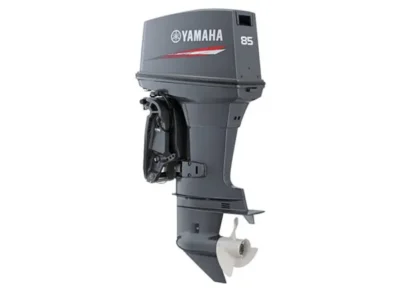
The E40G may be worth considering if you need a 40HP two-stroke outboard for an appropriately sized boat and value a straightforward mechanical setup.
It can be suitable for buyers looking at:
- Fishing boats.
- Utility boats.
- Workboats.
- Passenger boats where permitted and properly configured.
- River transport applications.
- Commercial marine operations.
- Private recreational boats compatible with a 40HP engine.
It may not be the best choice for every boat owner. If you want quiet operation, modern four-stroke technology, or lower emissions, compare suitable four-stroke alternatives before deciding.
The key is to match the engine to your boat, workload, budget, and operating environment.
How to Order a Yamaha E40G in Nigeria
The buying process can be simple when handled correctly.
First, identify your boat and confirm the recommended horsepower.
Second, measure the transom and determine the correct shaft length.
Third, contact a reputable Yamaha E40G outboard dealer in Nigeria and request a written quotation.
Fourth, confirm the engine configuration, starting system, propeller, documentation, warranty, and shipping.
Fifth, verify the payment instructions independently before sending funds.
Sixth, inspect the delivered engine and documentation.
Finally, have the motor installed and checked by a qualified marine technician.
For buyers who want to compare available marine equipment, visit JP Marine and browse the JP Marine product shop.
Finding the right Yamaha E40G outboard dealer in Nigeria is about more than locating the lowest price. A serious buyer should look for product authenticity, correct engine configuration, clear documentation, reliable delivery, spare-parts support, and useful technical assistance.
The Yamaha E40G offers a 40HP two-stroke Enduro configuration with a 669cc inline two-cylinder engine, carburetion, tiller control, manual tilt, and premixed lubrication. Yamaha’s official specifications make it clear that the E40G is available in different configurations, so buyers should confirm the exact version before ordering.
For Nigerian operators, the purchase should also be considered alongside local standards, import requirements, vessel registration, and waterway safety rules. SON provides information on Nigerian standards and conformity assessment, while NIWA oversees important aspects of inland waterway regulation and vessel registration.
If you are ready to compare Yamaha marine engines, start with JP Marine’s Yamaha category. For two-stroke alternatives, visit Yamaha 2-Stroke Outboards. Buyers considering modern alternatives can also review Yamaha 4-Stroke Outboards.
The best purchase is one that gives you the right horsepower, correct shaft length, genuine documentation, dependable support, and a configuration suited to your actual boat and operating conditions.