Yamaha E40J 2 Stroke Nigeria
Yamaha E40J 2 Stroke Nigeria: A Practical Buying Guide for Buyers
The Yamaha E40J 2 stroke Nigeria market attracts boat owners who need a strong, simple, and dependable outboard motor for commercial and recreational use. The Yamaha E40J is a 40 HP two-stroke Enduro outboard designed around a straightforward mechanical layout. Yamaha lists the E40J as an inline two-cylinder engine with 669 cm³ displacement, carburetor fuel induction, CDI ignition, and pre-mixed fuel and oil lubrication.
For Nigerian buyers, choosing the correct outboard is about more than horsepower. You should consider the boat size, hull design, load, shaft length, operating environment, fuel quality, maintenance support, spare parts, and intended workload. A reliable 40 HP Yamaha outboard Nigeria buyers can maintain easily may be a practical choice for fishing boats, transport boats, workboats, and other suitable vessels.
If you are comparing available marine engines, you can start with the JP Marine website or browse the JP Marine shop for marine equipment and outboard options.
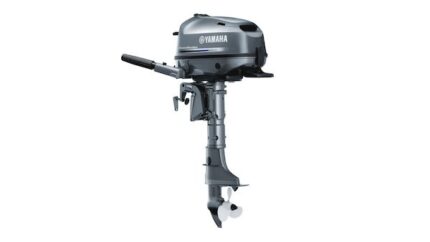
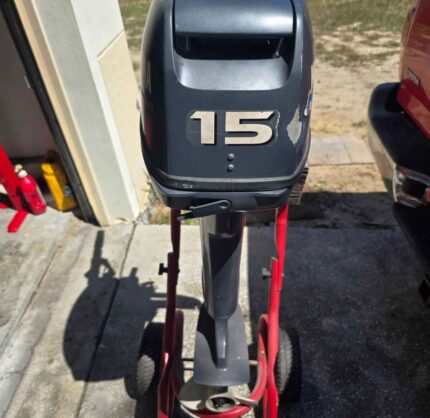
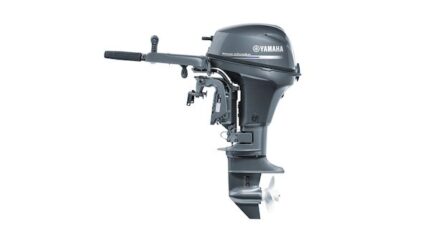
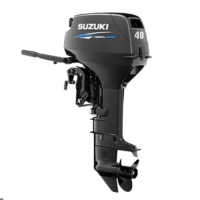
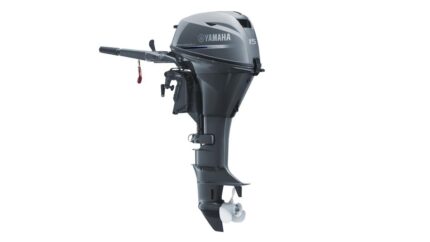
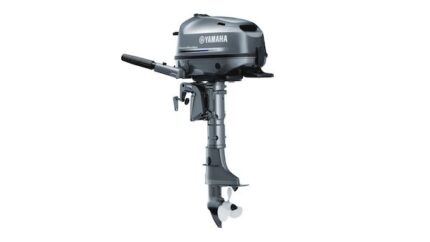
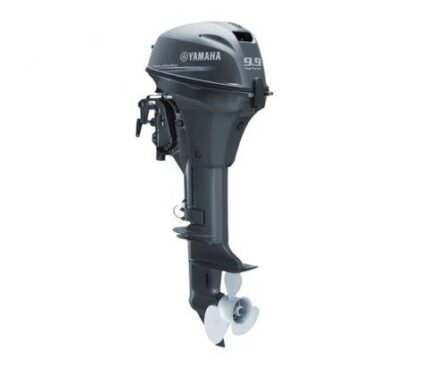
<u>Shop Yamaha Outboard Motors</u>
What Is the Yamaha E40J 2 Stroke?
The Yamaha E40J is part of Yamaha’s Enduro family of two-stroke outboard engines. Yamaha describes its two-stroke outboards as lightweight and compact, with a relatively simple engine structure that can make maintenance easier than more complex engine designs.
The E40J uses an inline two-cylinder configuration and produces a maximum propeller-shaft output of 29.4 kW, or 40 PS, at 5,000 rpm. Its displacement is 669 cm³, while the bore and stroke measure 78.0 × 70.0 mm. Yamaha also specifies a carburetor fuel induction system and CDI ignition.
This combination makes the Yamaha E40J 40HP outboard attractive to buyers who want useful power without moving into a heavier high-horsepower engine category. Its relatively straightforward design can also appeal to operators who value practical servicing and mechanical simplicity.
Yamaha E40J 40HP Specifications
Before you buy a Yamaha E40J 2 stroke for sale in Nigeria, check the technical specifications against your boat and operating requirements.
Key specifications published by Yamaha include:
- Model: Yamaha E40J
- Engine type: Inline 2-cylinder
- Cycle: 2-stroke
- Displacement: 669 cm³
- Bore × stroke: 78.0 × 70.0 mm
- Maximum output: 29.4 kW / 40 PS
- Maximum output speed: 5,000 rpm
- Fuel system: Carburetor
- Ignition: CDI
- Lubrication: Pre-mixed fuel and oil
- Gear ratio: 2.00 (26/13)
- Dry weight: approximately 65–71 kg, depending on configuration
- Transom options: S, L, and Y depending on model
- Gear positions: Forward, Neutral, Reverse
- Cooling: Raw-water, thermostatically controlled
- Propeller rotation: Clockwise
The published specifications can vary by market and configuration. Yamaha also states that model availability and specifications may differ by country or region. Always confirm the exact configuration before placing an order.
For buyers comparing two-stroke and four-stroke models, the Yamaha 2 stroke outboard category provides a useful starting point.
Why Nigerian Buyers Consider a 40HP Two-Stroke
A 40 HP 2 stroke outboard motor Nigeria buyer can use for commercial work needs to balance power, weight, operating cost, and serviceability. Two-stroke engines remain popular in several markets because their mechanical architecture can be relatively simple.
Yamaha highlights the lightweight and compact nature of its two-stroke outboards. The company also notes that the simpler construction can contribute to easier maintenance. These characteristics can be useful when an engine is operated in locations where quick servicing matters.
For a suitable boat, the E40J can provide enough power for applications such as fishing, transportation, utility work, and general boating. However, horsepower alone should never determine compatibility. Boat manufacturers provide maximum recommended engine ratings, and those recommendations should be followed.
If you are considering alternatives, you can also review Yamaha 4 stroke outboards and compare their characteristics with the E40J.
Yamaha E40J for Fishing Boats in Nigeria
Fishing is one of the major applications buyers may consider when searching for a Yamaha E40J fishing boat motor Nigeria. A 40 HP outboard can be appropriate for a properly matched fishing boat, but the correct setup depends on hull design, passenger numbers, equipment, fuel load, and operating conditions.
For commercial fishing, reliability and easy maintenance can be especially important. Operators should inspect the propeller, cooling-water flow, fuel system, spark plugs, gearbox oil, and steering system at appropriate intervals.
A fishing boat operating in saltwater also needs careful freshwater flushing and corrosion protection. Salt, sand, mud, and organic debris can affect cooling and mechanical components. Good maintenance is therefore just as important as the initial engine purchase.
Buyers looking for other marine propulsion options can also explore the Yamaha product category before making a final decision.
Yamaha E40J for Commercial Boat Operations
The Yamaha E40J commercial outboard Nigeria market can include passenger transport, fishing, utility boats, workboats, and other suitable applications. The Enduro name is associated with Yamaha’s focus on demanding operating environments, while the E40J’s compact two-cylinder configuration provides 40 PS of rated output.
Commercial operators should focus on total operating requirements rather than the advertised horsepower alone. A boat carrying heavy loads may need a different engine or propeller setup than a lightly loaded recreational boat.
The correct shaft length is also essential. Yamaha lists E40J configurations with S, L, and Y transom-height options. The wrong shaft length can reduce performance and may create installation problems.
Before buying, measure the boat’s transom and confirm the engine configuration with the supplier.
Fuel and Oil Requirements
One important feature of the Yamaha E40J is its pre-mixed fuel and oil lubrication system. Yamaha’s published information identifies pre-mixed fuel and oil as the lubrication method for the E40J.
This means buyers must follow the manufacturer’s recommended fuel and oil mixture. The Yamaha product information guide lists a 50:1 oil-to-fuel mixing ratio for the E40J. Always verify the ratio against the owner’s manual supplied with your exact engine before operating it.
Using the correct two-stroke marine oil and correct mixture is essential. Too little oil can increase wear, while an incorrect mixture can affect combustion and engine performance.
Do not guess the fuel mixture. Keep a clean measuring container or approved mixing system and follow the engine documentation.
Maintenance of the Yamaha E40J 2 Stroke
Routine maintenance is one of the best ways to protect your investment in a Yamaha E40J outboard Nigeria purchase.
Before operation, check:
- Engine oil and fuel mixture
- Fuel lines and connections
- Cooling-water outlet
- Propeller condition
- Gear-shift operation
- Steering
- Mounting bolts
- Throttle operation
- Fuel leaks
- Visible corrosion
After operation in saltwater, flushing the cooling system with fresh water can help reduce salt deposits and corrosion. The maintenance schedule should always follow the owner’s manual for your specific model.
Yamaha recommends reading the owner’s manual before operating its outboards and contacting the relevant distributor or local dealership for model-specific information.
You can also visit the JP Marine marine equipment shop when researching compatible marine products and equipment.
Choosing the Correct Propeller
A good propeller match is important for extracting the right performance from a 40 HP outboard. Propeller selection should consider boat size, hull type, expected load, operating conditions, and the engine’s recommended operating range.
Yamaha lists a full-throttle operating range of 4,500–5,500 rpm for the E40J.
The objective is to select a propeller that allows the engine to operate within the manufacturer’s recommended range under normal load. An incorrectly selected propeller can affect acceleration, cruising performance, fuel consumption, and engine loading.
Ask a qualified marine technician or supplier to help match the propeller to your boat.
What to Check Before Buying Yamaha E40J in Nigeria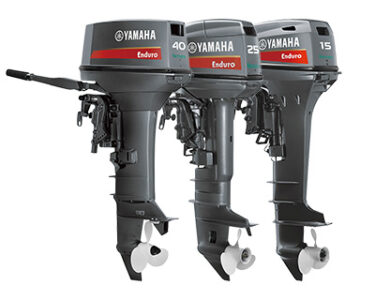
A buyer searching for Yamaha E40J price in Nigeria should avoid focusing only on the initial purchase price. The real value of an outboard depends on condition, configuration, documentation, support, spare parts, delivery costs, and warranty terms.
Before payment, ask the seller:
- Is the engine new or used?
- What is the exact model and configuration?
- What shaft length is supplied?
- Is the propeller included?
- Is the engine supplied with documentation?
- What warranty applies?
- Are replacement parts available?
- What is the delivery location?
- What are the shipping and import costs?
- Are taxes, duties, or local charges included?
If importing an engine into Nigeria, do not assume a generic online duty estimate is accurate. The Nigeria Customs Service tariff portal provides current tariff-classification information and advises users to review classifications against official tariff rules.
The published Nigerian customs tariff information also shows that marine propulsion engines can fall under specific tariff classifications, with applicable rates depending on the exact classification.
Confirm Nigerian Waterway Requirements
Boat owners should also consider applicable Nigerian maritime and inland-waterway requirements. The National Inland Waterways Authority (NIWA) has statutory responsibilities connected with inland-waterway navigation and regulation in Nigeria.
For commercial operations, registration, safety, licensing, and operational requirements may apply depending on the vessel and location. Buyers should confirm current requirements with the relevant Nigerian authority rather than relying on informal advice.
For official information, visit NIWA before starting a commercial boating operation.
Yamaha E40J vs Yamaha Four-Stroke Outboards
Some buyers may be unsure whether to choose the E40J two-stroke or a four-stroke Yamaha outboard. The answer depends on the application.
The E40J uses a relatively simple two-stroke design, carburetor fuel induction, and pre-mixed lubrication. Yamaha states that its two-stroke engines are designed to be lightweight and compact.
A modern four-stroke engine may appeal to buyers who prioritize different characteristics, including four-stroke operating technology and model-specific fuel and emissions features.
There is no single engine that is best for every boat. Compare horsepower, weight, shaft length, fuel system, service requirements, purchase price, and expected operating hours.
For more options, browse the Yamaha outboard range at JP Marine and the Yamaha four-stroke collection.
Yamaha E40J Spare Parts and Support
Before purchasing a Yamaha E40J 40HP Nigeria engine, investigate spare-parts support. A reliable supply of service parts can reduce downtime.
Common maintenance items may include spark plugs, fuel-system components, propellers, gear oil, gaskets, filters where applicable, water-pump components, and other model-specific parts.
Do not order parts based only on the name “E40J.” Confirm the exact model code, serial information, production specification, and part number. Yamaha states that model names and specifications can vary between countries and regions.
If you are also comparing other outboard brands, you can visit the Evinrude outboard section for additional marine-engine options.
How to Buy a Yamaha E40J 2 Stroke in Nigeria
If your goal is to buy Yamaha E40J Nigeria, take a structured approach.
First, confirm your boat’s recommended horsepower. Next, measure the transom to determine the correct shaft length. Then confirm whether you need tiller or remote control operation and whether the desired configuration is available.
After that, request a complete quotation. The quotation should identify the engine model, configuration, included equipment, warranty, delivery terms, and payment conditions.
For international purchases, also request shipping information and import documentation. This helps you calculate the true landed cost instead of comparing the engine price alone.
You can begin your product research through JP Marine and browse available marine products through the online shop.
Is the Yamaha E40J a Good Choice for Nigeria?
For buyers seeking a Yamaha E40J 2 stroke Nigeria solution, the model has several characteristics worth considering. It offers 40 PS from a compact inline two-cylinder engine, uses a carburetor, has CDI ignition, and uses pre-mixed fuel and oil. Its listed dry weight is around 65–71 kg, depending on configuration.
The biggest advantage for many buyers may be its straightforward two-stroke design. Yamaha itself highlights the lightweight, compact nature and maintenance simplicity of its two-stroke range.
However, suitability depends on the boat and application. A buyer should not purchase a 40 HP engine simply because it is powerful. Correct horsepower, shaft length, propeller selection, boat loading, maintenance practices, and local service support all matter.
The Yamaha E40J 2 stroke Nigeria is a 40 PS Enduro outboard that deserves consideration by buyers looking for a compact and mechanically straightforward marine propulsion option. Yamaha’s published specifications identify a 669 cm³ inline two-cylinder engine, carburetor fuel system, CDI ignition, pre-mixed lubrication, and several transom configurations.
For Nigerian buyers, the smartest purchase is not necessarily the cheapest engine. Instead, choose an engine that matches your boat, workload, shaft length, operating environment, and maintenance capability.
Before paying, verify the exact model, configuration, condition, warranty, documentation, shipping arrangements, spare-parts support, and applicable Nigerian import requirements. If you need additional options, compare the Yamaha 2 stroke range with other suitable marine engines.
A well-matched and properly maintained outboard can provide dependable propulsion for years. Take time to confirm every specification before buying, and work with a reputable marine-engine supplier that can provide clear product information and after-sales support.