
Yamaha EK9.9D Manual Starter
Yamaha EK9.9D Manual Starter: Complete Buyer’s Guide, Operation, Maintenance and Replacement Tips
The Yamaha EK9.9D manual starter is an important part of the starting system on the Yamaha EK9.9D Enduro kerosene outboard. It gives operators a simple way to start the engine without depending on an electric starter motor or starting battery. For commercial fishermen, boat operators, transport users, and buyers who need dependable propulsion in demanding environments, a well-maintained recoil starter can be a major advantage.
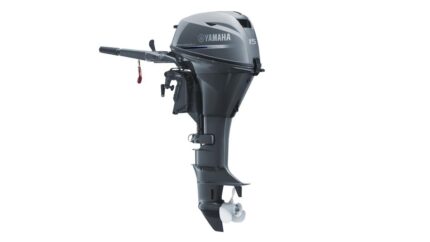
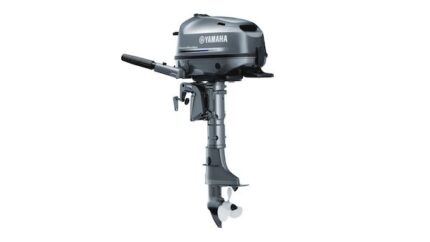
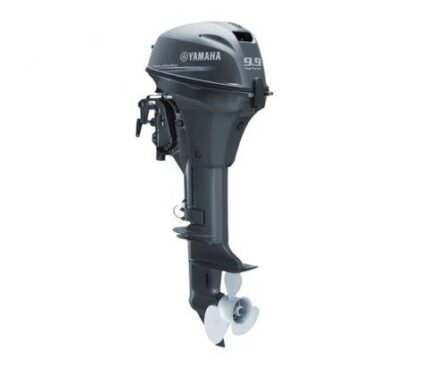
The Yamaha EK9.9D belongs to Yamaha’s Enduro Kerosene range. Yamaha lists the EK9.9D with a two-cylinder, 246 cm³ engine, 9.9 PS maximum prop-shaft output at 5,000 rpm, carburetor fuel induction, a manual starter, tiller-handle control, manual tilt, and a pre-mixed fuel-and-oil lubrication system. Yamaha also lists a long-shaft transom height of 568 mm and a dry weight of approximately 40 kg with propeller.
If you are comparing a Yamaha EK9.9D manual start outboard with another small marine engine, the starting system deserves careful attention. A recoil starter is mechanically straightforward, easy to use, and does not require a battery to crank the engine. However, the starter rope, recoil spring, starter pulley, pawl mechanism, handle, and related components must remain in good condition. Before buying a replacement starter or complete Yamaha EK9.9D engine, always confirm the exact model code, serial number, shaft length, and parts specification.
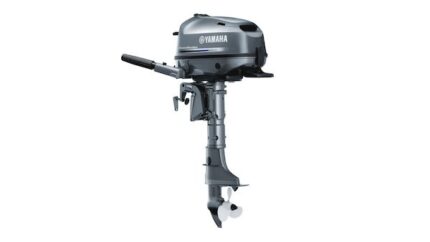
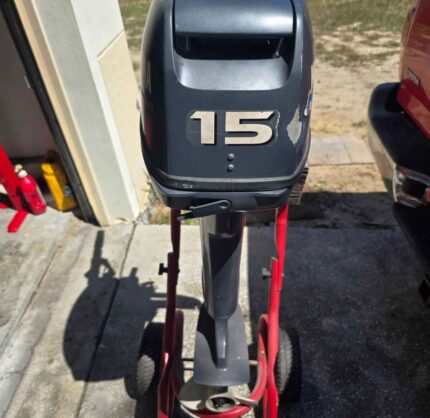
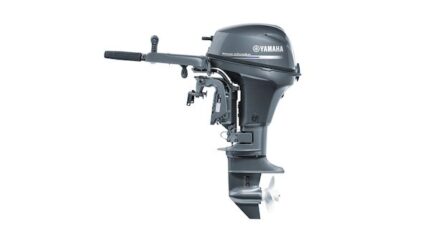
<u>Shop Yamaha Outboards and Marine Products</u>
The manual starter is one reason the Yamaha EK9.9D can be attractive to buyers who want a practical outboard with a simple starting arrangement. If you are looking for marine engines, outboard motors, or related equipment, explore the JP Marine home page and JP Marine online shop.
What Is the Yamaha EK9.9D Manual Starter?
The Yamaha EK9.9D manual starter is a recoil-style starting mechanism. Instead of using an electric motor to rotate the engine during starting, the operator pulls the starter handle. The starter mechanism transfers that pulling force to the engine crankshaft so the engine can begin its combustion cycle.
This design is useful when simplicity matters. There is no need to depend on a starting battery simply to crank the engine. For remote boating locations, fishing operations, utility boats, and working vessels, that can be a valuable feature.
Yamaha’s official specifications identify the EK9.9D as having a manual starter and tiller-handle controls. This makes the model particularly relevant to buyers searching for a Yamaha 9.9HP manual start outboard, Yamaha EK9.9D recoil starter, or Yamaha EK9.9D pull start engine.
Buyers interested in other Yamaha models can also browse the Yamaha outboard category at JP Marine.
How the EK9.9D Recoil Starter Works
A recoil starter looks simple from the outside, but several mechanical components work together.
The starter handle is connected to a starter rope. When the handle is pulled, the rope rotates a starter pulley or reel. A spring provides the return force that winds the rope back into the starter housing. A starter engagement mechanism then transfers the rotational force to the engine.
When the engine fires, the starter mechanism disengages. The rope returns to the housing, ready for another starting cycle.
This mechanical arrangement explains why starter condition is important. A rope that is frayed, a spring that is weak, or a starter mechanism that does not engage correctly can make the engine difficult or impossible to start.
For buyers, this means the phrase Yamaha EK9.9D manual starter can refer to the complete recoil starter assembly or, depending on the parts catalogue, individual components within that assembly.
Yamaha EK9.9D Manual Starter Specifications
The official Yamaha Enduro Kerosene specifications provide useful information when assessing the engine.
Key specifications include:
- Engine type: in-line two-cylinder
- Displacement: 246 cm³
- Maximum prop-shaft output: 7.3 kW or 9.9 PS
- Maximum rated speed: 5,000 rpm
- Fuel induction: carburetor
- Starting system: manual starter
- Control: tiller handle
- Tilt system: manual
- Lubrication: pre-mixed fuel and oil
- Long-shaft transom height: 568 mm
- Dry weight: approximately 40 kg with propeller
These specifications are published by Yamaha for the EK9.9D Enduro Kerosene model. Yamaha also notes that model availability and specifications can vary by country or market.
Before ordering a Yamaha EK9.9D starter assembly, do not rely only on the engine’s horsepower rating. Two engines with similar horsepower can have different parts. Confirm the exact model and serial information first.
For buyers interested in different engine configurations, visit the JP Marine Yamaha 2-stroke outboard section.
Why Buyers Choose a Manual Starter
A manual starter offers several practical advantages.
No Starting Battery Required
The biggest benefit is independence from a starting battery. If the engine is correctly serviced and the recoil starter is functioning properly, the operator can crank the engine manually.
Simple Mechanical Design
A recoil starter has fewer electrical starting components than an electric-start system. This can make the starting arrangement attractive to buyers who prefer mechanical simplicity.
Useful for Remote Operations
Small commercial boats and fishing vessels may operate far from conventional repair facilities. A manual starter can be useful in these situations because the operator does not need electrical starting power just to crank the engine.
Lower System Complexity
A manual-start configuration avoids some components associated with electric starting, such as a starter motor, starter switch, battery cables, and starting battery.
For general guidance on selecting an outboard, the West Marine outboard motor buyer’s guide explains why horsepower, shaft length, engine weight, fuel system, and intended use all matter when choosing an outboard.
How to Start a Yamaha EK9.9D Manual Starter
Starting procedure should always follow the owner’s manual for the exact engine. Yamaha manuals for manual-start 9.9D models describe a sequence that includes placing the transmission in neutral, attaching the engine stop-switch lanyard, setting the throttle to the starting position, using the choke when required, and pulling the manual starter handle.
A general procedure is:
- Make sure the boat is secure and the engine is correctly mounted.
- Confirm that the gear selector is in neutral.
- Attach the emergency stop-switch lanyard correctly.
- Check the fuel system.
- Use the choke when the engine is cold and when the manual specifies it.
- Set the throttle to the appropriate starting position.
- Pull the starter handle slowly until resistance is felt.
- Give the handle a firm, straight pull.
- Allow the starter handle to return gradually.
- Once the engine starts, reduce the choke as the engine warms.
Never yank the starter handle at an awkward angle. A controlled, straight pull helps reduce unnecessary stress on the rope and starter mechanism.
Yamaha’s owner-manual guidance also emphasizes checking cooling-water flow after starting. If cooling water does not flow correctly, the engine should be stopped and the cause investigated to prevent overheating.
For official documentation, buyers can use the Yamaha Outboards owner’s manual center. Yamaha requires model and identification information to locate applicable manuals. You can also visit the official Yamaha manual store for genuine Yamaha manuals and documentation.
Common Yamaha EK9.9D Manual Starter Problems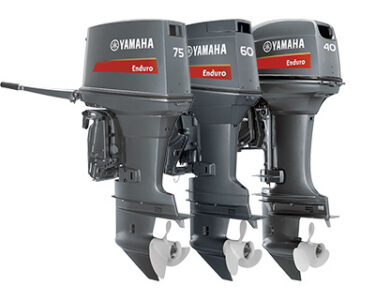
A manual starter is durable, but it is not maintenance-free.
Starter Rope Damage
The starter rope experiences repeated pulling forces. Over time, it can become worn, stiff, frayed, or damaged.
If you see visible fraying, replace the rope before it breaks completely. A broken rope can leave the operator unable to start the engine.
Weak Recoil Spring
The recoil spring returns the starter rope after pulling. If the spring becomes weak or damaged, the rope may not retract correctly.
Starter Handle Damage
The handle can become cracked or loose after extensive use. A damaged handle should not be ignored because it can make starting uncomfortable and increase the risk of losing control during a pull.
Starter Pawl Problems
The engagement mechanism must connect the starter to the engine during the pull. If it fails to engage, the rope may move without properly cranking the engine.
Rope Fails to Retract
If the starter rope remains outside the housing, the recoil mechanism may have a spring, pulley, rope, or internal alignment problem.
When a starter assembly requires internal repair, buyers should consider professional marine service rather than opening a spring-loaded mechanism without the proper knowledge and tools.
Yamaha EK9.9D Manual Starter Maintenance
Regular inspection can help prevent starter failure.
Check the starter rope for cuts, abrasion, fraying, or excessive stiffness. Inspect the handle and make sure it remains securely attached. Pull the handle slowly and check whether the mechanism feels smooth.
Do not ignore unusual grinding, scraping, sticking, or inconsistent engagement. These symptoms can indicate internal starter wear.
Keep the starter area clean and dry. Salt, dirt, moisture, and corrosion can affect mechanical components over time. If the engine is regularly used in saltwater, a proper freshwater rinse and routine corrosion inspection are important parts of outboard care.
Discover Boating’s outboard maintenance guide recommends regular preventive maintenance and flushing after outings, while also emphasizing the importance of checking cooling-water flow.
When Should You Replace the Manual Starter?
Replacement makes sense when the starter assembly is badly worn, damaged, or unreliable.
Consider replacement if:
- The starter rope repeatedly breaks.
- The rope does not retract.
- The starter does not engage consistently.
- The recoil spring is damaged.
- The pulley is cracked or badly worn.
- Internal starter components are corroded.
- The mechanism makes abnormal noises.
- Starting reliability has become a recurring problem.
For a buyer purchasing a used Yamaha EK9.9D, test the manual starter before completing the purchase. A starter that feels smooth and consistent is a better sign than one that sticks or produces unusual noises.
However, a smooth recoil action does not prove that the complete engine is mechanically healthy. Buyers should also inspect compression, fuel delivery, cooling, gear shifting, propeller condition, lower-unit oil, mounting hardware, and overall engine condition.
How to Buy a Yamaha EK9.9D Manual Starter
When buying a Yamaha EK9.9D manual starter replacement, accuracy is critical.
Start by recording the engine’s model identification and serial number. Yamaha’s official manual system uses model information, shaft length, and serial details to identify applicable documentation.
Next, determine whether you need:
- A complete recoil starter assembly
- Starter rope
- Starter handle
- Recoil spring
- Starter pulley
- Engagement components
- Mounting hardware
A complete assembly may be the better choice when several internal components are worn. Replacing one small component can be economical when the rest of the mechanism is in excellent condition.
For Yamaha and other marine products, you can also explore the JP Marine shop before contacting a supplier about availability.
Yamaha EK9.9D Manual Starter vs Electric Start
The main difference is how the engine is cranked.
A manual starter uses the operator’s pulling force. An electric-start system uses a battery-powered starter motor.
Manual starting can be advantageous for buyers who prioritize simplicity and independence from a starting battery. Electric starting can be more convenient for operators who prefer push-button starting.
The right choice depends on the boat, operating environment, engine configuration, and user preference.
For a small working boat where simplicity is important, a Yamaha EK9.9D manual start outboard can be a compelling option.
Is the Yamaha EK9.9D Manual Starter Good for Commercial Use?
The manual starter can be attractive for commercial and utility applications because it keeps the starting system straightforward.
The broader Enduro family is designed for markets and applications where practical operation and durability are important. Yamaha lists the EK9.9D as part of its Enduro Kerosene range.
Still, buyers should select the engine based on the complete application. Consider boat size, hull design, passenger load, operating conditions, fuel availability, shaft length, service support, and local regulations.
Do not purchase an engine based on the starter alone.
Maintenance Matters More Than the Starter Type
A reliable starter cannot compensate for poor engine maintenance.
Regularly inspect the fuel system, spark plugs, propeller, cooling-water system, gearcase, mounting hardware, and controls. Follow the maintenance schedule in the correct Yamaha manual for your specific engine.
West Marine’s maintenance guidance highlights routine inspection and service as key factors in outboard reliability.
For additional safety information, the U.S. Coast Guard Boating Safety resources provide boating safety and maintenance information. Always follow the regulations and safety requirements that apply to your location.
Buying Checklist for the Yamaha EK9.9D Manual Starter
Before ordering a starter component, confirm:
- Exact Yamaha model
- Engine serial number
- Shaft length
- Starter configuration
- Original starter design
- Required component or complete assembly
- Mounting arrangement
- Rope and handle condition
- Recoil spring condition
- Availability of genuine or compatible parts
- Supplier reputation
- Warranty or return policy
This information can prevent the common mistake of ordering a starter that looks similar but does not match the engine.
If you are also comparing other Yamaha engines, visit the Yamaha 4-stroke outboard category at JP Marine and compare it with available two-stroke options.
Yamaha EK9.9D Manual Starter
The Yamaha EK9.9D manual starter is a practical starting solution for the Yamaha 9.9 HP Enduro Kerosene outboard. Its recoil design eliminates dependence on an electric starting battery and provides a straightforward way to crank the engine.
Yamaha’s published EK9.9D specifications confirm a 246 cm³ two-cylinder engine, 9.9 PS output, carburetor fuel induction, tiller control, manual tilt, and manual starting. These features make the engine worth considering for buyers who value a relatively simple, mechanically driven starting system.
The most important buying lesson is to identify the exact engine before ordering replacement components. Model number, serial number, shaft length, and starter configuration should all be checked. A genuine or correctly matched starter component can restore reliable starting, while an incorrect part may create installation and performance problems.
If your goal is to buy a Yamaha EK9.9D manual starter, replacement recoil starter, or complete Yamaha outboard, start with the exact engine identification. Then compare parts, condition, supplier support, warranty, and availability before paying.
For additional marine products and outboard options, you can also visit JP Marine’s Evinrude section and the wider JP Marine online shop.
Buyer-Focused FAQs
Is the Yamaha EK9.9D a manual-start engine?
Yes. Yamaha’s official Enduro Kerosene specifications list the EK9.9D with a manual starter.
Does the Yamaha EK9.9D manual starter need a battery?
The recoil starting mechanism itself does not require a starting battery to crank the engine. Always check the exact equipment configuration and owner’s manual for your engine.
What should I check before buying a Yamaha EK9.9D recoil starter?
Check the model, serial number, shaft length, starter design, rope, handle, recoil spring, pulley, engagement mechanism, and mounting points.
Can I replace only the starter rope?
In some cases, yes. If the remaining recoil components are in good condition, replacing the rope may be appropriate. If the spring, pulley, or engagement mechanism is damaged, a larger repair or complete assembly may be more suitable.
Where can I find Yamaha manuals?
Use the official Yamaha Outboards owner’s manual center or Yamaha’s official manual store.