Yamaha E30H 30HP Outboard Motor Nigeria
Yamaha E30H 30HP Outboard Motor Nigeria: Complete Buyer’s Guide
If you are looking for a dependable Yamaha E30H 30HP outboard motor in Nigeria, you are probably comparing engine power, fuel requirements, durability, maintenance, shaft length, and overall value before making a purchase. The Yamaha E30H is a 30-horsepower two-stroke outboard designed for practical marine work. It combines a relatively light engine package with a simple mechanical design that can suit fishing boats, workboats, transport boats, and other small-to-medium craft.
For Nigerian boat owners, choosing the correct outboard motor is important. River conditions, long operating hours, changing weather, boat loading, fuel quality, and access to spare parts can all affect engine performance. The Yamaha E30H 30HP outboard motor is especially attractive to buyers who want a straightforward engine that is easy to understand and maintain. Yamaha lists the E30H with an inline two-cylinder engine, 496 cc displacement, carburetor fuel induction, manual starting, tiller-handle control, and manual tilt.
If you are ready to compare available marine engines, you can visit JP Marine and browse its marine product range. Buyers can also visit the JP Marine shop to explore available products and contact the supplier for current availability, specifications, shipping options, and purchase information.
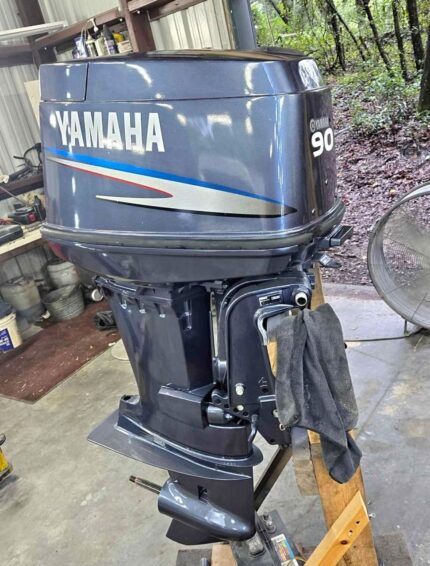
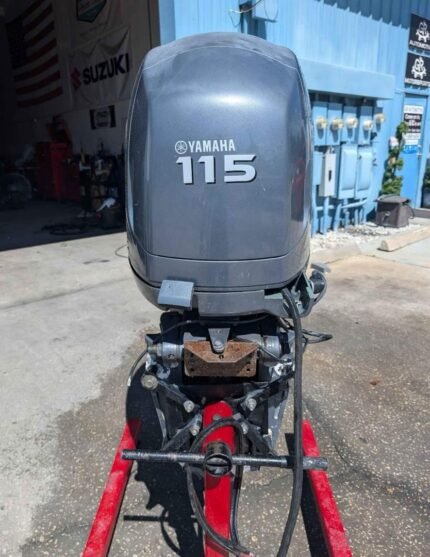
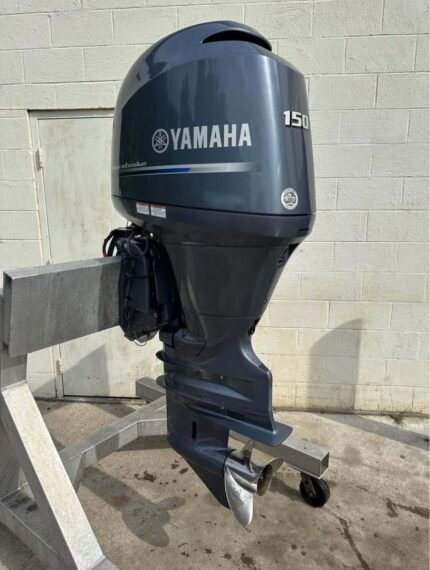
<u>Buy Yamaha Outboard Motors and Marine Engines at JP Marine</u>
Why Buy a Yamaha E30H 30HP Outboard Motor in Nigeria?
The Yamaha E30H 30HP outboard motor Nigeria market appeals to buyers who need practical power without moving into a much heavier 40HP class. Thirty horsepower can provide a useful balance for boats that need enough thrust for fishing, passenger movement, transportation, or general commercial work.
The E30H uses a two-cylinder, two-stroke configuration. Yamaha’s published specifications show a 496 cc displacement and maximum propeller-shaft output of 22.1 kW, equivalent to 30 PS, at 5,000 rpm. The engine uses a carburetor fuel system and pre-mixed fuel and oil lubrication.
This simple configuration can be attractive for buyers who value uncomplicated operation. A carbureted two-stroke engine does not require the same type of electronic fuel-injection system found on many newer four-stroke models. For operators working in areas where basic marine servicing is important, a straightforward mechanical design can be a useful advantage.
If you want to compare Yamaha models before buying, explore the Yamaha outboard category at JP Marine. This can help you compare different horsepower classes and engine configurations.
Yamaha E30H 30HP Specifications
Understanding the specifications is essential before ordering a Yamaha E30H for sale in Nigeria. The exact configuration should always be confirmed with the seller because model variants, shaft lengths, equipment, and regional specifications can differ.
According to Yamaha’s official information, the main E30H specifications include:
- Engine type: Inline two-cylinder
- Engine cycle: Two-stroke
- Displacement: 496 cc
- Bore: 72.0 mm
- Stroke: 61.0 mm
- Maximum propeller-shaft output: 30 PS at 5,000 rpm
- Fuel induction: Carburetor
- Starting system: Manual starter
- Control: Tiller handle
- Tilt system: Manual tilt
- Lubrication: Pre-mixed fuel and oil
- Available transom heights: Short and long shaft configurations
- Published dry weight: approximately 53–55 kg for the Enduro listing.
Yamaha’s broader 30H two-stroke specification information lists dry weights of about 53–58 kg, depending on configuration, with short and long shaft options.
These specifications make the Yamaha 30HP Enduro a useful option for boat owners who need moderate horsepower without installing a much larger engine.
Yamaha E30H 30HP Two-Stroke Engine for Fishing Boats
Fishing is one of the most important applications for outboard motors in Nigeria. A reliable engine can make the difference between productive trips and costly downtime.
The Yamaha E30H can be considered for fishing boats that are correctly matched to its horsepower rating. The ideal boat should be within the manufacturer’s recommended engine range and should have a suitable transom height. Overloading a boat or using an incorrectly sized propeller can reduce performance and increase fuel consumption.
For commercial fishing operators, the buying decision should not be based on horsepower alone. Consider the boat’s hull design, passenger load, fishing equipment, fuel capacity, operating environment, and expected cruising speed.
You can also explore Yamaha 2-stroke outboards from JP Marine when comparing the E30H with other Yamaha two-stroke options.
Yamaha E30H for Nigerian Inland Waterways
Nigeria has extensive inland waterways that support fishing, transportation, tourism, agriculture, and commercial activities. The National Inland Waterways Authority states that its regulatory responsibilities include vessel registration and licensing, navigation regulations, environmental regulations, inspections, and compliance.
This means buyers should consider more than the engine itself. Your boat and its operation may require registration, inspection, licensing, or other documentation depending on the type of vessel and its intended use.
The official NIWA registration portal provides an electronic process for vessel registration, inspection scheduling, permits, payment tracking, and certificate follow-up.
Before purchasing a Yamaha E30H 30HP outboard motor in Nigeria, confirm the documentation requirements that apply to your vessel and operating area.
Short Shaft or Long Shaft Yamaha E30H?
Shaft length is one of the most important details when buying an outboard engine. A motor can have the correct horsepower but still be unsuitable if its shaft length does not match the boat’s transom.
Yamaha lists the E30H with short and long transom-height configurations. The published measurements are approximately 423 mm for the short version and 550 mm for the long version.
Do not choose between short and long shaft based only on price. Measure your boat’s transom first. The correct installation position helps the propeller sit at the appropriate depth in the water.
If you are unsure which configuration you need, give the supplier your boat model, transom measurement, hull type, and intended use. A marine specialist can help you confirm the appropriate setup before you pay.
Why Buyers Choose the Yamaha 30HP Enduro
The Yamaha Enduro range is designed around practical marine use. The E30H has a relatively compact 496 cc two-cylinder engine and a published dry weight of roughly 53–55 kg in Yamaha’s Enduro specification.
Several features can make the engine attractive to Nigerian buyers:
1. Practical 30HP output
Thirty horsepower is suitable for many small and medium boats when the hull and load are properly matched.
2. Lightweight design
A relatively low engine weight can make installation, removal, transportation, and servicing easier.
3. Simple two-stroke configuration
The carburetor and pre-mix lubrication system provide a relatively straightforward mechanical arrangement.
4. Tiller-handle control
The tiller configuration can work well for boats where direct steering from the rear of the boat is preferred.
5. Manual starting
The manual starter keeps the engine configuration simple and avoids dependence on an electric starting battery for basic starting operation.
6. Manual tilt
Manual tilt provides a simple method of raising the engine when needed, depending on the boat setup and operating conditions.
Yamaha E30H Fuel and Oil Requirements
Because the Yamaha E30H is a two-stroke engine with pre-mixed fuel and oil lubrication, buyers must understand the correct fuel and oil mixing procedure for their specific model.
Yamaha’s published Enduro information identifies the lubrication system as pre-mixed fuel and oil. Yamaha’s New Zealand information for the 30H also describes a 100:1 fuel-to-oil ratio for that configuration.
However, buyers should always follow the owner’s manual and the specification supplied with their exact engine. Do not assume that every regional version has identical requirements.
Use suitable marine two-stroke oil and clean fuel. Poor-quality fuel, contaminated fuel, incorrect oil mixing, or stale fuel can cause starting problems and engine damage.
For genuine replacement components, Yamaha also provides an official outboard parts finder, although Yamaha notes that its online catalog applies to models sold in the United States and recommends confirming model year and part numbers with an authorized dealer.
Maintenance Tips for a Yamaha E30H in Nigeria
Routine maintenance is essential if you want your Yamaha E30H 30HP outboard motor to remain dependable.
After operating in salt water, rinse the appropriate external and cooling-water areas according to the owner’s manual. Salt deposits can contribute to corrosion if the engine is not properly cared for.
Check the following regularly:
- Fuel quality
- Fuel lines and connections
- Spark plugs
- Propeller condition
- Propeller nut and hardware
- Cooling-water flow
- Gear oil
- Engine mounting bolts
- Steering and throttle operation
- Fuel and oil mixture
- Corrosion protection
- General fasteners and fittings
The propeller deserves special attention. A damaged or incorrectly sized propeller can affect acceleration, top speed, engine loading, and fuel consumption.
If you operate commercially, create a maintenance schedule based on operating hours rather than waiting for symptoms to appear.
Yamaha E30H vs Yamaha 30HP Four-Stroke
Buyers often compare the Yamaha E30H two-stroke with a Yamaha 30HP four-stroke. These are not the same type of engine.
The E30H is an inline two-cylinder two-stroke with 496 cc displacement, carburetor fuel induction, manual starting, and pre-mixed lubrication.
By contrast, Yamaha’s current 30HP midrange four-stroke uses a three-cylinder 747 cc engine with electronic fuel injection, electric starting, wet-sump lubrication, and a 20-inch shaft configuration in the listed specification.
The right choice depends on your priorities. If you want a lightweight, mechanically simple two-stroke Enduro design, the E30H may be attractive. If you prefer a modern four-stroke platform with EFI and the features associated with that design, a newer four-stroke may be more appropriate.
You can compare available Yamaha four-stroke outboards before making a final decision.
How to Buy Yamaha E30H 30HP Outboard Motor in Nigeria
When you are ready to buy Yamaha E30H 30HP outboard motor in Nigeria, avoid choosing a seller based only on the lowest advertised price.
Ask the seller for:
- Exact model designation.
- Engine condition if used.
- Manufacturing or model information.
- Shaft length.
- Weight and configuration.
- Included propeller.
- Warranty information.
- Spare-parts availability.
- Shipping arrangements.
- Payment terms.
- Expected delivery time.
- Documentation supplied with the engine.
For a new engine, ask whether the motor is factory-new and whether the serial number and documentation correspond to the supplied unit.
For a used Yamaha 30HP outboard, request detailed photos and, where possible, a video showing cold starting, idle operation, cooling-water discharge, gear engagement, and throttle response.
Where to Find Yamaha E30H 30HP Outboard Motor for Sale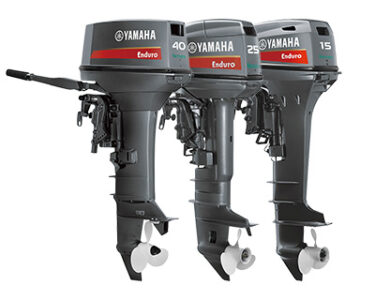
If you are searching for Yamaha E30H for sale Nigeria, use a supplier that can provide clear specifications and purchase support.
You can start by visiting JP Marine and its online marine shop. Buyers looking for Yamaha products can also review the Yamaha product section.
Because stock and prices can change, contact the seller to confirm the current Yamaha E30H price in Nigeria, availability, shipping options, and delivery arrangements before placing an order.
A professional supplier should also help you confirm whether the selected engine is suitable for your boat. This is especially important when choosing between short-shaft and long-shaft configurations.
Spare Parts and Long-Term Ownership
A major part of buying an outboard is planning for future maintenance. Yamaha outboards require routine service and replacement of wear items.
Depending on operating hours and condition, owners may need items such as spark plugs, propeller components, fuel-system parts, gaskets, filters, seals, cables, and other maintenance components.
Do not purchase critical replacement parts based only on a picture. Use the engine’s exact model and serial information when ordering parts.
You can also browse JP Marine’s Evinrude category if you are comparing alternative outboard brands.
Is the Yamaha E30H Right for Your Boat?
The Yamaha E30H can be a strong candidate if your priorities include 30HP output, a relatively light two-stroke engine, straightforward mechanical operation, and practical marine performance.
It may suit fishing boats, transport boats, workboats, and other compatible craft. However, the engine must be correctly matched to the hull. Consider the boat’s maximum recommended horsepower, transom height, total passenger and cargo weight, operating conditions, and intended speed.
Do not install a 30HP engine on a boat that is not rated for that horsepower. Correct installation is essential for performance and safety.
Buying Considerations for Nigerian Commercial Operators
Commercial users should calculate the total ownership cost rather than focusing only on the purchase price.
Consider:
- Purchase cost
- Shipping and delivery
- Installation
- Propeller selection
- Fuel consumption
- Two-stroke oil
- Routine servicing
- Spare parts
- Downtime
- Boat registration and compliance
- Operator safety equipment
The National Inland Waterways Authority provides regulatory and marine services covering vessel registration, navigation, inspections, safety, and enforcement on Nigeria’s inland waterways.
The NIWA regulatory information is a useful starting point for buyers who operate boats commercially or on regulated inland waterways.
Safety Before Operating Your Yamaha 30HP Outboard
A reliable engine does not replace safe boating practices. Before every trip, inspect the boat, engine mounting, fuel system, steering, throttle, propeller, and safety equipment.
Carry appropriate life jackets and other required safety equipment. Check weather and water conditions before departure. Avoid overloading the boat.
For commercial operations, make sure the vessel and operator meet the applicable Nigerian requirements.
The official NIWA marine services page highlights safety inspections, navigation assistance, search and rescue, vessel traffic management, and maritime security as part of its marine responsibilities.
The Yamaha E30H 30HP outboard motor Nigeria market is attractive to buyers who need a practical 30HP two-stroke engine for compatible boats. Its 496 cc inline two-cylinder configuration, carburetor fuel system, manual starter, tiller control, manual tilt, and relatively low weight make it a straightforward option for many marine applications.
Before buying, confirm the exact model, shaft length, engine condition, propeller specification, warranty, documentation, and delivery arrangements. Also confirm that the engine’s horsepower is suitable for your boat.
For buyers comparing Yamaha engines, visit JP Marine’s Yamaha range and JP Marine’s shop. If you are comparing two-stroke and four-stroke alternatives, review the Yamaha two-stroke collection and Yamaha four-stroke collection before making your final purchase.