Blog
Yamaha 200HP 2 Stroke Boat Engine

Yamaha 200HP 2 Stroke Boat Engine: Buyer’s Guide, Specifications, Benefits and Buying Tips
If you need a powerful outboard for a large fishing boat, workboat, offshore vessel, or high-performance boat, the Yamaha 200HP 2 stroke boat engine is an option worth considering. Yamaha has a long history of producing dependable marine engines, and its 200HP two-stroke models are known for strong acceleration, simple mechanical design, and high power output. For buyers who want a proven Yamaha 200 horsepower outboard, understanding the engine specifications and condition is essential before making a purchase.
The Yamaha 200HP two-stroke range includes models such as the Yamaha 200A and L200A. Yamaha lists these engines with a 90-degree V6 configuration, 2,596cc displacement, carbureted fuel induction, electric starting, remote controls, and power trim and tilt. The published specifications show a maximum prop-shaft output of 200 PS at 5,000 rpm. Depending on the model, transom-height options include approximately 20.3-inch and 25.3-inch configurations.
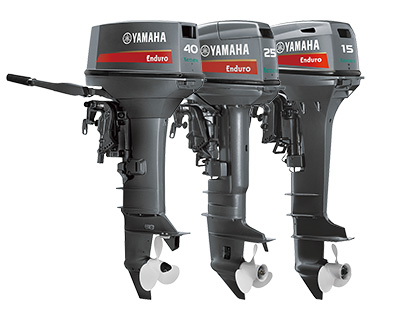
A major reason buyers continue to search for a Yamaha 200HP 2 stroke outboard motor is its combination of high horsepower and relatively straightforward construction. Yamaha describes its two-stroke outboards as lightweight and compact while delivering high power output. The company also notes that their simple structure can make maintenance easier.
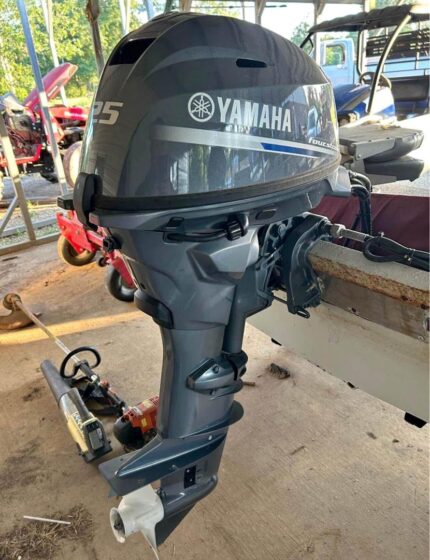
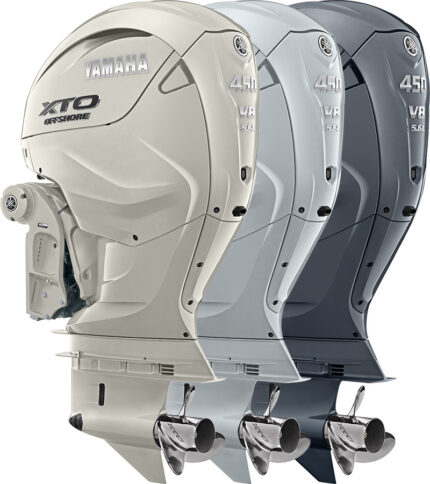
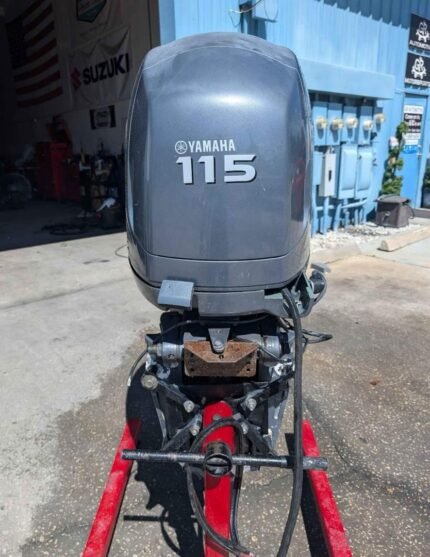
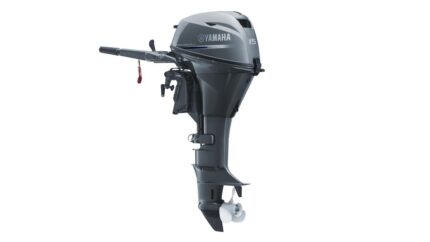
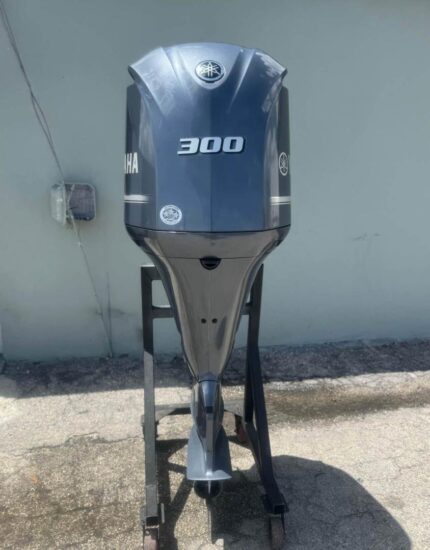
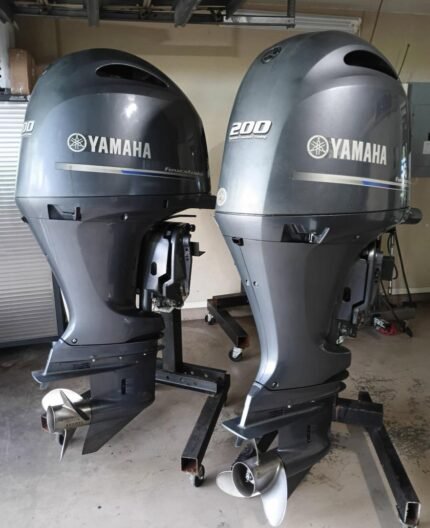
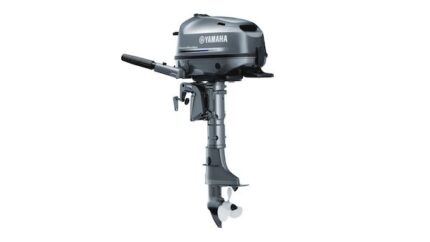
<u><a href=”https://jpmarineinc.com/shop”>Shop Yamaha Marine Engines and Outboards</a></u>
What Is a Yamaha 200HP 2 Stroke Boat Engine?
A Yamaha 200HP 2 stroke boat engine is a high-output gasoline outboard designed to provide substantial thrust for boats that require more power than small and mid-range outboards can deliver. The engine mounts directly to the boat transom and combines the powerhead, cooling system, gear case, propeller shaft, exhaust system, and steering and control components in one marine propulsion unit.
The Yamaha 200A and L200A are notable examples. Yamaha’s published specifications identify the engine as a 90-degree V6 with a 2,596cc displacement. The engine uses a carburetor-based fuel induction system and produces its maximum rated prop-shaft output at approximately 5,000 rpm.
For buyers searching for a Yamaha 200HP outboard for sale, these specifications matter because the engine must match the boat correctly. Horsepower alone does not determine whether an outboard is suitable. The boat’s maximum rated horsepower, transom height, weight capacity, steering arrangement, control system, and propeller requirements should all be checked before purchase.
Yamaha 200HP 2 Stroke Specifications
Exact specifications can vary by model, market, year, shaft configuration, and equipment. Therefore, buyers should always verify the serial number and model identification before ordering parts or committing to an engine.
Key published specifications for the Yamaha 200A/L200A include:
- Engine type: 90-degree V6 two-stroke
- Displacement: 2,596cc
- Bore: 90.0mm
- Stroke: 68.0mm
- Maximum prop-shaft output: 147.1kW / 200 PS
- Maximum output speed: 5,000 rpm
- Fuel induction: Carburetor
- Starting system: Electric starter
- Control: Remote control
- Trim and tilt: Power trim and tilt
- Transom options: Approximately 20.3 inches and 25.3 inches, depending on model
- Published dry weight: Approximately 178–186kg for the listed 200A/L200A range
These figures come from Yamaha’s global two-stroke product information. Yamaha also warns that model availability and specifications can vary by country or region and may change or be discontinued without notice.
If you are comparing several Yamaha engines, you can also browse the Yamaha outboard range at JP Marine. This can help you compare available Yamaha models before selecting an engine.
Why Choose a Yamaha 200HP Two-Stroke?
One of the strongest reasons to consider a 200HP 2 stroke boat motor is its power-to-weight character. Two-stroke engines can produce substantial power without requiring the same type of four-stroke architecture.
The Yamaha 200HP two-stroke V6 is also relatively simple in design compared with many modern electronically controlled four-stroke engines. For experienced marine technicians, a simpler engine can make certain diagnostic and repair tasks more straightforward.
Another advantage is acceleration. A properly matched Yamaha 200HP two-stroke can provide strong low-to-mid-range response, which is useful when a boat needs to get onto plane quickly. This can be valuable for fishing boats, utility boats, passenger boats, and other vessels where responsive acceleration matters.
Buyers interested in alternatives can also review Yamaha 4 stroke outboards and compare their characteristics with Yamaha’s two-stroke range.
Yamaha 200HP 2 Stroke for Fishing Boats
A Yamaha 200HP 2 stroke fishing boat engine can be suitable for larger fishing boats that are approved for this horsepower rating. The engine provides enough power for carrying fishing equipment, fuel, passengers, and other onboard loads while maintaining useful cruising performance.
However, the correct setup depends on the hull. A heavy displacement hull and a lightweight planing boat have very different propulsion requirements. The propeller pitch, gear ratio, transom height, hull design, and boat load all influence performance.
Before purchasing, check the boat manufacturer’s maximum horsepower recommendation. Never install an outboard that exceeds the vessel’s rated capacity.
For buyers who are still comparing propulsion options, the JP Marine online shop provides another starting point for reviewing available marine equipment.
Yamaha 200HP Outboard Performance and Propeller Selection
The propeller is one of the most important parts of a Yamaha 200HP outboard setup. Even a healthy engine can perform poorly if the propeller is incorrectly selected.
Propeller diameter and pitch should be chosen according to the boat, engine, load, and target operating range. A propeller with excessive pitch can prevent the engine from reaching its recommended operating speed. A propeller with too little pitch may allow excessive rpm.
This is why buyers should avoid choosing a propeller based only on appearance or price. A marine technician can help determine the correct propeller after considering the boat’s hull design and operating conditions.
The engine’s published maximum output and operating range should also be checked against the correct owner’s documentation. Yamaha provides an owner’s manual resource where users can identify manuals using model and serial information.
What to Check Before Buying a Yamaha 200HP 2 Stroke
If you are looking for a Yamaha 200HP 2 stroke for sale, do not purchase based on photographs alone. A visual inspection is useful, but a mechanical inspection is even more important.
1. Check the Model and Serial Number
Confirm the exact Yamaha model, serial number, shaft length, and production information. This helps you identify the correct parts, service information, and specifications.
2. Inspect the Powerhead
Look for corrosion, damaged wiring, oil leaks, cracked components, and signs of previous repairs. Excessive corrosion may indicate long-term exposure to salt water or poor storage.
3. Test the Compression
Compression testing can provide useful information about cylinder condition. Uneven compression between cylinders may indicate internal wear or another mechanical problem.
4. Inspect the Gear Case
Check the lower unit for cracks, impact damage, corrosion, and signs of water contamination in the gear oil. The propeller shaft should also be inspected for damage.
5. Test the Trim and Tilt
Power trim and tilt should operate smoothly. Listen for unusual noises and check for hydraulic leaks.
6. Check the Cooling System
A strong cooling-water telltale stream is important during operation. Cooling-system problems can cause overheating and expensive damage.
7. Review Maintenance Records
A documented maintenance history is a major advantage. Yamaha emphasizes regular maintenance, including flushing, fuel-system care, corrosion prevention, and scheduled service.
You can also compare Yamaha’s two-stroke models with other products in the Yamaha 2 stroke outboard category.
Maintenance Requirements for a Yamaha 200HP 2 Stroke
Proper maintenance can have a major effect on reliability. A Yamaha 200HP two-stroke operates in a demanding environment where salt, moisture, fuel contamination, heat, and corrosion can affect components.
After operating in salt or brackish water, flushing is especially important. The cooling passages should be kept clear, and the engine should be inspected for corrosion.
Fuel quality also matters. Old or contaminated gasoline can cause carburetor problems, poor acceleration, hard starting, and inconsistent running.
Yamaha recommends following the maintenance requirements in the owner’s manual for the specific engine. The company also states that some maintenance procedures can be performed by mechanically capable owners with the correct tools, while certain procedures are better handled by an authorized dealer.
Buyers should therefore ask whether an engine has been professionally serviced before purchasing it.
Two-Stroke Versus Four-Stroke 200HP Outboard
One of the most common questions is whether to buy a Yamaha 200HP 2 stroke boat engine or a Yamaha 200HP four-stroke.
The answer depends on the boat and buyer.
A two-stroke can appeal to buyers who value a comparatively simple engine design, strong acceleration, and a potentially lower engine weight. A four-stroke may appeal to buyers who prioritize modern fuel-injection technology, quieter operation, and current-generation emissions performance.
Yamaha’s current 200HP four-stroke offering is substantially different from its older two-stroke architecture. For example, Yamaha’s current F200 four-stroke uses an inline-four engine, 2.8L displacement, EFI, and a 5,000–6,000 rpm full-throttle range.
For this reason, buyers should compare the exact models rather than assuming that every 200HP Yamaha provides the same performance or operating characteristics.
You can also explore Evinrude outboard products if you want to compare brands and engine categories.
Emissions and Regulatory Considerations
Emissions are an important consideration when purchasing an older two-stroke outboard. Marine engine regulations have become more demanding over time, particularly for gasoline spark-ignition engines.
The U.S. Environmental Protection Agency states that marine spark-ignition emissions standards apply to outboard engines and other marine spark-ignition applications.
The EPA has also explained that traditional carbureted two-stroke outboards can produce higher hydrocarbon emissions than some newer technologies.
This does not automatically mean that every Yamaha 200HP two-stroke is unsuitable. However, buyers should verify local regulations before importing, registering, or operating an engine. Rules can vary between countries, states, waterways, and marine authorities.
If you are purchasing an engine for commercial use or international shipment, regulatory checks should be completed before payment.
Is a Yamaha 200HP 2 Stroke Still Worth Buying?
For the right buyer, it can be.
The key is condition. A well-maintained Yamaha 200HP two-stroke with good compression, a healthy gear case, functioning trim and tilt, clean fuel delivery, good cooling performance, and documented service can be an attractive option.
However, a cheap Yamaha 200HP outboard with serious corrosion, poor compression, damaged wiring, a neglected lower unit, or an uncertain history may become expensive very quickly.
Therefore, price should not be the only factor. Compare the engine’s condition, model year, service history, included controls, propeller, mounting configuration, and replacement-parts availability.
A professional marine inspection before purchase can save significant repair costs.
Where to Buy a Yamaha 200HP 2 Stroke Boat Engine
When searching for a Yamaha 200HP 2 stroke boat engine for sale, choose a seller that can provide clear engine information. Ask for the model number, serial number, photographs of the powerhead and lower unit, starting video where available, compression-test results, and maintenance information.
You can begin your search through the JP Marine homepage and review its marine engine and outboard shop.
For buyers who want to compare Yamaha products by category, the Yamaha product section is another useful resource.
When buying internationally, also confirm shipping arrangements, import requirements, customs charges, insurance, payment terms, and delivery time before placing an order.
Questions to Ask Before Ordering
Before purchasing a Yamaha 200HP two-stroke, ask:
- What is the exact model number?
- What is the engine serial number?
- What is the shaft length?
- Has the engine been compression tested?
- Does the engine start and idle correctly?
- Does the cooling system work correctly?
- Does power trim and tilt operate properly?
- Is the lower unit free from major damage?
- What controls are included?
- Is a propeller included?
- Are service records available?
- Has the engine been used in salt water?
- What warranty, if any, is provided?
- What shipping options are available?
- Are import documents available for international buyers?
These questions help reduce uncertainty and make it easier to compare different Yamaha 200HP outboard motors for sale.
The Yamaha 200HP 2 stroke boat engine remains an interesting option for buyers who need substantial outboard power and appreciate the straightforward design of a traditional two-stroke V6. Yamaha’s published specifications for the 200A/L200A identify a 2,596cc 90-degree V6, 200 PS output, electric starting, remote controls, and power trim and tilt.
However, the most important factor when buying an older two-stroke is condition. A strong engine with good compression and a healthy lower unit can offer excellent service. A neglected engine can require costly repairs.
Always match the engine to the boat’s approved horsepower rating, transom height, propeller requirements, and intended use. Also check current emissions and registration rules in your location before purchasing.
For additional marine engine options, you can browse JP Marine’s main store, compare Yamaha 2 stroke outboards, review Yamaha 4 stroke outboards, or explore Evinrude products.
Frequently Asked Questions
Is the Yamaha 200HP 2 stroke a good boat engine?
Yes, it can be a strong choice when the engine is properly maintained and correctly matched to the boat. Its V6 two-stroke design provides substantial power and strong acceleration.
How much does a Yamaha 200HP 2 stroke weigh?
Yamaha’s global specifications list approximately 178–186kg for the 200A/L200A range, although exact weight can vary with model and equipment.
Is the Yamaha 200HP 2 stroke fuel injected?
The published specifications for the Yamaha 200A/L200A identify a carburetor fuel-induction system. Do not assume that every Yamaha 200HP two-stroke has the same fuel system; verify the exact model.
What boats can use a Yamaha 200HP outboard?
It can be used on boats designed and rated for 200HP propulsion, subject to the manufacturer’s specifications. Always confirm the boat’s maximum permitted horsepower, transom requirements, weight capacity, and rigging compatibility.
Where can I find Yamaha outboard manuals?
Yamaha provides an online owner’s manual resource where users can search using the engine’s identification information.
Authoritative External Resources
For additional technical and regulatory information, buyers can consult Yamaha Motor’s official two-stroke specifications, Yamaha’s official manual library, Yamaha Outboards maintenance information, U.S. EPA marine spark-ignition regulations, and the EPA marine engine emissions rule information. These sources provide useful information for buyers researching specifications, maintenance, manuals, and emissions requirements.