
Yamaha EK15D Manual Starter
Yamaha EK15D Manual Starter: Complete Buyer’s Guide, Features, Maintenance and Buying Tips
The Yamaha EK15D manual starter is an important part of the starting system on the Yamaha EK15D 15HP Enduro outboard motor. For boat owners who depend on simple, reliable starting, the manual starter offers a practical solution without the need for a starting battery or electric starter motor. Yamaha lists the related 15HP Enduro E15D with a manual starter, tiller-handle controls, manual tilt, a carburetor and a 246cc two-cylinder engine.
If you are searching for a Yamaha EK15D manual starter, you may be looking for a complete recoil starter assembly, a replacement pull starter, starter rope, recoil spring, starter handle, starter pulley or other components used to start the engine. Choosing the correct part is important. Yamaha outboard parts can vary by model, market and production version. For this reason, buyers should confirm the exact engine model and available parts before ordering. Yamaha also advises owners to consult the appropriate owner’s manual and local distributor or dealer.
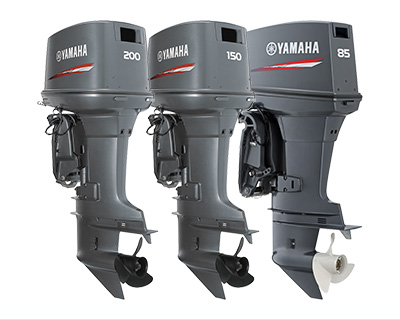
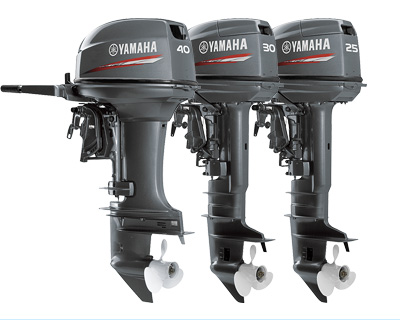
The EK15D belongs to Yamaha’s Enduro family. Yamaha describes its two-stroke outboards as lightweight and compact while delivering strong power for their size. The company’s current Enduro information lists the 15HP E15D with a 246cc inline two-cylinder engine, carburetor fuel induction, manual starting and tiller-handle operation.
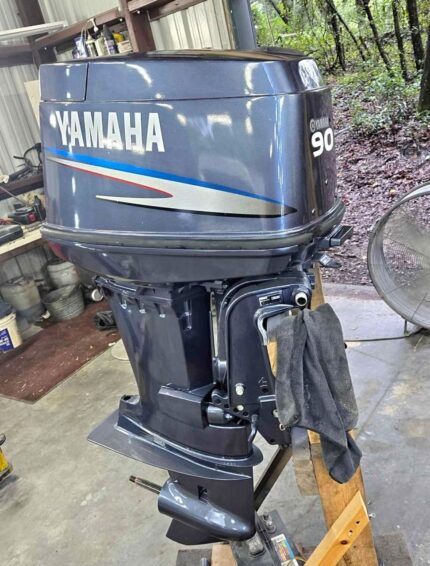
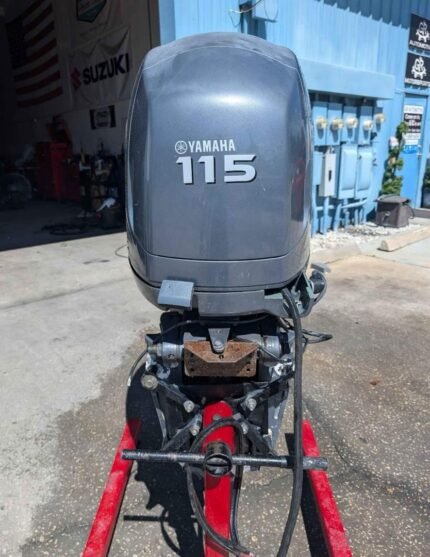
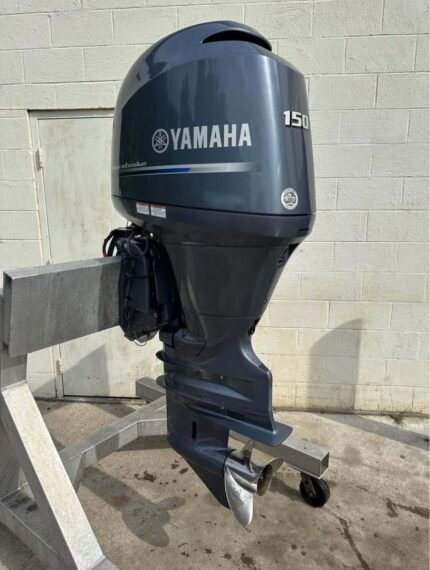
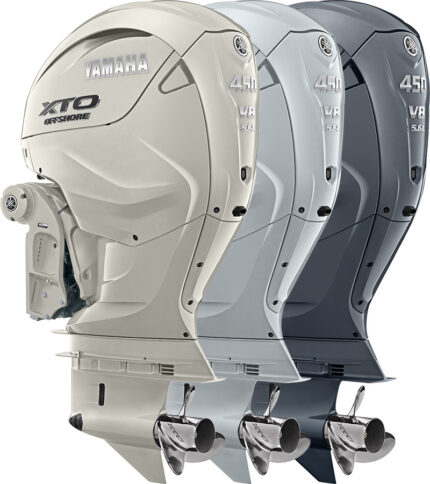
<h1><u><a href=”https://jpmarineinc.com/shop“>Shop Yamaha Outboard Motors and Marine Products</a></u></h1>
What Is a Yamaha EK15D Manual Starter?
A Yamaha EK15D manual starter is the pull-start mechanism used to crank the engine when starting it by hand. Instead of turning the engine with an electric starter motor, the operator pulls a starter handle connected to a recoil mechanism.
The recoil mechanism stores energy as the starter rope is pulled. When the handle is released, the mechanism winds the rope back into the starter housing. During starting, the mechanism transfers the pulling force to the engine’s crankshaft so the engine can rotate and begin combustion.
This design is simple and useful for smaller outboards. It removes the need for a starter battery, starter solenoid and electric starting motor. That can be especially useful for fishing boats, workboats, utility boats and small commercial vessels where straightforward equipment is valued.
Yamaha’s official Enduro specifications confirm that the E15D uses a manual starter and tiller handle.
Why Buyers Choose the Yamaha EK15D Manual Starter
The manual starter has several advantages for buyers who want a dependable 15HP outboard.
1. No Starting Battery Required
One major advantage is independence from a starting battery. The operator can manually crank the engine instead of relying on battery charge.
This can simplify boat setup. It also reduces the number of electrical starting components that need attention.
2. Simple Mechanical Design
A recoil starter has fewer electrical components than an electric starting system. This can make the starting system easier to understand and maintain.
For commercial operators, simplicity can be a valuable feature.
3. Easy to Carry and Install
The manual starting system does not require a large starting battery and related cables. This can help keep a small boat’s equipment arrangement simple.
Weight is also important on smaller boats. Yamaha lists the E15D at approximately 38–41 kg depending on shaft version, with propeller, while the exact configuration can vary by market.
4. Useful for Remote and Working Environments
A manual starter can be particularly practical for operators who use boats away from convenient electrical support.
For fishing, transport and utility applications, a straightforward pull-start system can be a useful choice.
Yamaha EK15D Manual Starter Parts
When searching for a Yamaha EK15D pull starter, buyers should understand that the starter is more than just a rope.
Depending on the specific engine configuration, the recoil starter system may include components such as:
- Starter housing
- Starter pulley
- Starter rope
- Starter handle
- Recoil spring
- Retaining hardware
- Starter pawl or engagement mechanism
- Washers and fasteners
- Related mounting components
Not every component needs to be replaced when a starter develops a problem.
For example, a damaged starter rope may only require rope replacement. A weak return action may indicate a recoil spring problem. A starter that pulls normally but does not properly engage the engine may have an issue with the engagement mechanism.
Because parts differ between models and production versions, do not purchase solely from a photograph. Confirm the model identification and, where possible, the correct part number.
Yamaha provides an online parts system and specifically recommends reconfirming model, model year and part numbers before ordering.
Yamaha EK15D Starter Rope
The Yamaha EK15D starter rope receives repeated stress during normal operation. Every time the engine is started, the rope is pulled, extended and returned to the starter housing.
Over time, the rope can become:
- Frayed
- Stiff
- Worn
- Broken
- Contaminated
- Difficult to retract
A worn starter rope should not be ignored. A rope that breaks while you are on the water can leave you unable to start the engine.
Before buying replacement rope, check the original starter assembly and use the manufacturer’s specifications where available. The correct rope diameter, length and construction matter.
Avoid fitting an unsuitable household rope simply because it appears similar. Marine engine starting systems operate under repeated mechanical stress, so the replacement should be appropriate for the starter mechanism.
How the Yamaha EK15D Manual Starter Works
The starting process is mechanical but precise.
When the operator pulls the handle, the starter rope unwinds from the recoil pulley. The pulley rotates and engages the starter mechanism. This transfers rotational force to the engine.
As the engine begins running, the starter mechanism disengages. When the handle is released, the recoil spring pulls the rope back into the housing.
A healthy starter should normally provide smooth rope movement and consistent return action.
If the rope becomes difficult to pull, stops retracting or feels unusually loose, investigate the starter before continuing to operate the engine.
Common Yamaha EK15D Manual Starter Problems
A Yamaha EK15D manual starter replacement may become necessary because of normal wear, corrosion, improper storage or physical damage.
Starter Rope Does Not Retract
This is one of the most obvious recoil starter problems.
Possible causes include a damaged recoil spring, tangled rope, contamination or a damaged pulley.
Do not repeatedly force the handle. Excessive pulling can make the problem worse.
Starter Rope Breaks
A rope can break after prolonged use.
Signs of rope wear include visible fraying, flattened sections, discoloration or cuts.
Replacing the rope before it breaks is usually better than waiting for a complete failure.
Pull Handle Feels Very Hard
An unusually hard pull can have several causes. The recoil assembly may be damaged, or the engine itself may have a mechanical issue.
Do not assume that a difficult starter automatically means the starter assembly is defective.
Starter Does Not Engage
If the rope pulls freely but the engine does not crank correctly, the engagement mechanism may need inspection.
This is an area where professional diagnosis can be useful.
Recoil Spring Is Weak
A weak recoil spring can prevent the starter rope from returning correctly.
Spring replacement requires careful handling because recoil springs store mechanical energy. If you are unfamiliar with recoil starter repair, professional service is the safer option.
Yamaha EK15D Manual Starter Maintenance
Regular inspection can extend the useful life of the starting system.
Keep the starter housing clean and inspect the rope regularly. Look for fraying or damage before each period of heavy use.
Check that the rope retracts smoothly. The handle should return without excessive resistance.
Also inspect the starter area for corrosion, especially if the outboard operates in saltwater.
General outboard maintenance guidance recommends regular inspection, flushing and care after use. Discover Boating, for example, recommends flushing an outboard after trips and checking cooling-water flow during the process.
For additional maintenance information, see Yamaha’s official outboard manuals library.
How to Start a Yamaha EK15D Manually
Starting procedures should always follow the specific owner’s manual for your engine.
Before pulling the starter, ensure the boat is safely positioned. Check the fuel supply, confirm that the engine is correctly mounted and make sure the propeller area is clear.
Follow the manufacturer’s recommended starting procedure for the particular engine.
Never place hands, feet or other objects near a rotating propeller. Keep passengers away from the stern during starting and operation.
The correct starting procedure can vary according to engine condition, temperature, fuel system and model specification.
For safety and model-specific instructions, always use the appropriate Yamaha manual rather than relying on a generic starting procedure. Yamaha specifically tells owners to read the owner’s manual before using an outboard.
Yamaha EK15D Manual Starter vs Electric Start
Buyers sometimes ask whether they should choose manual or electric starting.
The answer depends on the boat and operating requirements.
A manual starter has the advantage of simplicity. It does not need a starting battery or electric starter motor.
An electric starter provides convenient push-button starting but requires additional electrical components.
For a compact 15HP Enduro engine, manual starting can be an attractive choice because it keeps the propulsion system straightforward.
The best choice depends on how the boat will be used, the operator’s preference and the engine configuration available in the target market.
Buying a Yamaha EK15D Manual Starter
If you are ready to buy a Yamaha EK15D manual starter, avoid choosing a part based only on the words “Yamaha 15HP.”
There are multiple Yamaha 15HP outboard models. Yamaha’s product range includes different generations and configurations, and specifications can differ between regions.
Before ordering, confirm:
- Exact engine model.
- Model or production year where applicable.
- Engine serial number.
- Shaft configuration.
- Starter assembly type.
- Required component or complete assembly.
- Correct part number.
- Destination country.
- Availability and delivery time.
This information can prevent an expensive wrong-part purchase.
For Yamaha parts information, you can also check Yamaha’s official parts catalog.
Where to Find Yamaha Outboard Products
If you are comparing the Yamaha EK15D manual starter with complete Yamaha outboard products, explore the available marine categories at JP Marine.
Visit the JP Marine home page to explore marine products and support information.
You can also browse the JP Marine shop for available products.
For Yamaha products, visit the Yamaha outboard category.
If you are comparing technologies, you can also review the Yamaha 4-stroke outboard category and the Yamaha 2-stroke outboard category.
Buyers considering alternative brands can also explore the Evinrude category.
When choosing an outboard, consider horsepower, shaft length, boat weight, intended load, operating environment, fuel system and starting system. West Marine’s buyer guide also highlights horsepower, shaft length, engine type and weight as important factors when selecting an outboard.
Yamaha EK15D Manual Starter for Commercial Use
The Yamaha Enduro range is associated with demanding operating environments. Yamaha states that its outboards are used for recreational boating, commercial fishing and transport applications around the world.
For a commercial operator, the starting system is part of the engine’s overall reliability.
A damaged starter can cause downtime. Therefore, commercial users may benefit from keeping suitable replacement starter components available.
A spare starter rope can also be useful for operators who work far from a marine service centre.
However, replacement parts should be genuine or correctly specified components. Incorrect components can create reliability or safety problems.
Yamaha EK15D Manual Starter for Fishing Boats
Fishing operators often value equipment that is simple to operate.
A manual-start Yamaha 15HP outboard can be practical for small fishing boats, tenders and utility craft where electrical starting is not essential.
The tiller-handle configuration of the E15D also provides direct control at the engine. Yamaha lists the E15D as a tiller-handle model with manual tilt.
The correct shaft length is equally important. Yamaha lists the E15D in short and long shaft configurations, with the precise dimensions shown in its specifications.
Always match the shaft to the boat’s transom.
Maintaining the Complete Yamaha EK15D
The manual starter is only one part of the engine.
A buyer should also pay attention to fuel quality, spark plugs, cooling-water flow, propeller condition, gearcase lubrication and general corrosion protection.
Two-stroke engines also require the correct fuel and oil mixture according to the engine’s specified lubrication system. Yamaha identifies the E15D as using pre-mixed fuel and oil.
Do not guess the correct mixture. Follow the engine’s manual and specifications.
For general two-stroke service information, Boats.com’s two-stroke outboard service guide provides useful background on professional maintenance procedures.
For general preventive maintenance, Discover Boating’s outboard motor care guide is another useful resource.
Why Correct Parts Identification Matters
Searching for “Yamaha EK15D manual starter” may return complete starter assemblies, starter ropes and individual recoil components.
These products are not necessarily interchangeable.
Even when two components look similar, differences in mounting, dimensions or engagement design can make them unsuitable.
Yamaha warns that parts information can be market-specific and recommends confirming model and part numbers before ordering.
This is why providing the seller with your engine model and serial information is one of the best steps you can take before purchase.
The Yamaha EK15D manual starter is a simple but essential part of a manual-start 15HP outboard. Its recoil mechanism allows the engine to be started without relying on an electric starting system.
For buyers, the most important issue is compatibility.
Do not purchase a starter simply because it is advertised as a “Yamaha 15HP starter.” Confirm that it is designed for the exact EK15D configuration.
Look for the correct starter assembly, rope, pulley, recoil spring and related components when required. Check the model information and part number before placing an order.
The Yamaha E15D specification confirms a 246cc, two-cylinder, carbureted engine with manual starting, tiller-handle control and manual tilt.
For owners who want dependable operation, routine inspection is equally important. Check the starter rope for wear, make sure the recoil mechanism operates smoothly and address damaged components before they cause starting failure.
If you are buying a complete Yamaha outboard rather than a replacement starter, compare horsepower, shaft length, weight, fuel system, starting system and boat requirements before making a final decision. Yamaha’s official product pages and manuals are useful references for confirming specifications.
More Useful Resources
- JP Marine — Marine engines and related products.
- JP Marine Shop — Browse available marine products.
- Yamaha Outboards — Yamaha outboard product category.
- Yamaha 4-Stroke Outboards — Compare four-stroke options.
- Yamaha 2-Stroke Outboards — Explore two-stroke Yamaha models.
- Evinrude — Explore alternative outboard products.
- Yamaha Outboard Manuals — Official manuals and documents.
- Yamaha Parts Catalog — Official parts information.
- West Marine Outboard Motor Buyer’s Guide — General buying guidance.
- Discover Boating Outboard Maintenance Guide — General maintenance information.
- Boats.com Two-Stroke Service Guide — Two-stroke maintenance reference.